
Delhi
Your Favourite List
You currently don't have any favourite classes. Consider choosing classes that interest you
 Summer Camp
 Reading Writing
 Book Club
 Calligraphy
 Creative Writing
 English Speaking
 Handwriting
 Library
 Phonics
 Story Telling
 Art and Craft
 Clay Moulding
 Drawing
 Painting
 Pottery
 Sketching
 Drama Theatre
 Public Speaking
 Languages
 Arabic
 Chinese
 French
 German
 Hindi
Hindi Italian
 Japanese
 Korean
 Persian
 Portuguese
 Russian
 Spanish
 Turkish
 Uzbek
Uzbek Sports and Fitness
 Aerobics
 Athletics
 Badminton
 Basket Ball
 Chess
Chess Cricket
 Football
 Golf
Golf Gymnastics
 Hulahoop
 Karate
 Martial Arts
 Rugby
Rugby Skating
 Swimming
 Taekwondo
 Tennis
 Volleyball
 Yoga
Yoga Zumba
Zumba Tuition Classes
 Accounts
 Biology
 Business Studies
 CBSE
CBSE Chemistry
 Commerce
 Economics
 Homework Classes
 IB Board
 IGCSE
IGCSE Mathematics
 Physics
 Psychology
 Science
 Social Studies
 Vedic Maths
 Dance and Music
 Ballet
 Bhangra
 Bharatnatyam
 Bollywood Dance
 Casio
Casio Dandiya and Garba
 Drums
Drums Flute
Flute Guitar
 Harmonium
 Hip Hop
 Jazz
Jazz Kathak
 Keyboard
 Piano
Piano Salsa
Salsa Shlokas
 Sitar
Sitar Tabla
Tabla Ukulele
 Violin
 Vocal
Vocal PlaySchools
 Preschool
 STEM
STEM
 Abacus
 App Development
 Artificial intelligence
 Basic Computer Courses
 Coding
 Graphic Design
 Lego
Lego Python
 Robotics
 Rubiks Cube
 Scrabble
 Website Development
 Winter Camp
 Workshops
 Diwali Workshop
 Easter
 Ganesh Mahotsav
 Guru Nanak Jayanti Workshop
 Holi
Holi Independence day workshop
 Janmashtami Workshop
 Mothers day
 Navratri Workshops
 Raksha Bandhan workshop
 Ramayana Workshop
 Spring Camp
 Valentines Day Workshops
 Festive
 Daycare
 Cooking and Food
 Spring Camp
 Contests and Competitions
 Special abled
 Republic Day Workshops
 Mela
Mela
 Mela
Mela Cognitive Development
 Mother-Toddler Program
-Jul-03-2026-06-59-25-1926-AM.webp?width=30&height=30&name=Smart_20Skills_20(2)-Jul-03-2026-06-59-25-1926-AM.webp) Smart Skills
Smart Skills






STEM classes for Kids in Delhi NCR - 483 classes found
STEM classes for children aged 2 to 15 offer a range of bene... Read more



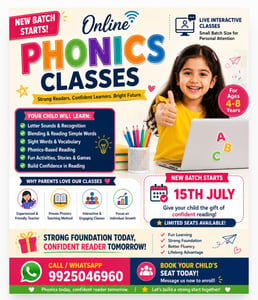
.jpeg?width=400&height=300&name=WhatsApp%20Image%202025-05-13%20at%2010.49.05%20AM%20(2).jpeg)

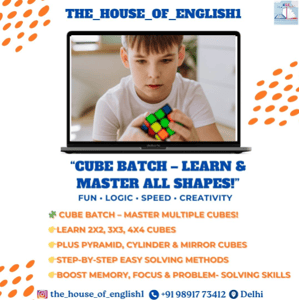
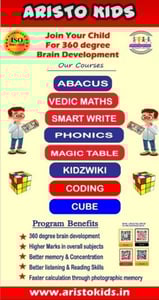
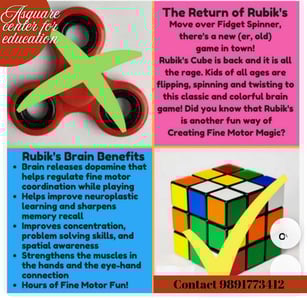



.jpeg?width=400&height=300&name=WhatsApp%20Image%202026-01-22%20at%2011.43.28%20AM%20(1).jpeg)
-1.jpeg?width=400&height=300&name=WhatsApp%20Image%202025-04-16%20at%209.36.10%20AM%20(1)-1.jpeg)



Advantages of STEM Classes for Children Ages 2 to 15
Introduction
STEM (Science, Technology, Engineering, and Mathematics) classes offer a comprehensive approach to education that integrates these disciplines and fosters critical thinking, problem-solving, and innovation. For children aged 2 to 15, exposure to STEM education can have numerous advantages, including promoting brain development, enhancing academic achievement, fostering creativity, and preparing them for future career opportunities. In this guide, we will explore the benefits of STEM classes in depth, address potential limitations, and answer common questions related to STEM education.
Advantages
-
Brain Development:
- Critical Thinking: STEM classes encourage children to think critically and analytically, solving problems and making connections between concepts. These cognitive challenges stimulate brain development and enhance neural pathways associated with reasoning and problem-solving skills.
- Hands-On Learning: Engaging in hands-on STEM activities, such as experiments and projects, promotes experiential learning, which has been shown to strengthen neural connections and improve memory retention.
-
Academic Achievement:
- Math and Science Proficiency: STEM education focuses on developing strong foundational skills in mathematics and science, which are essential for academic success in various subjects.
- Interdisciplinary Learning: Integrating STEM disciplines allows children to see the interconnectedness of concepts across different subjects, leading to a deeper understanding of complex topics and improved academic performance.
-
Creativity and Innovation:
- Problem-Solving Skills: STEM classes provide opportunities for children to tackle real-world problems and find innovative solutions using creativity and ingenuity. This fosters a growth mindset and encourages children to embrace challenges as opportunities for learning and growth.
- Inventiveness: Through hands-on projects and design challenges, children develop their creativity and become more adept at generating original ideas and concepts. STEM education nurtures a culture of innovation and empowers children to become future inventors and entrepreneurs.
-
Preparation for Future Careers:
- STEM Skills in High Demand: In today's technology-driven world, STEM skills are highly sought after in the job market. STEM education equips children with the knowledge and skills needed for a wide range of career opportunities in fields such as engineering, computer science, healthcare, and environmental science.
- 21st Century Skills: STEM classes emphasize 21st-century skills such as critical thinking, collaboration, communication, and adaptability, which are essential for success in the workplace of the future.
-
Real-World Relevance:
- Application of Knowledge: STEM education emphasizes the practical application of knowledge to real-world problems and challenges. This makes learning more meaningful and relevant to children's lives, enhancing their motivation and engagement in the learning process.
- Environmental Awareness: STEM classes often incorporate topics related to environmental science and sustainability, raising children's awareness of global issues and empowering them to become environmentally responsible citizens.
-
Diverse Learning Opportunities:
- Variety of Activities: STEM classes offer a wide range of activities, from conducting experiments and building robots to coding and designing structures. This diversity allows children to explore their interests and talents while gaining exposure to different STEM disciplines.
- Inclusive Learning Environment: STEM education promotes inclusivity and diversity, welcoming children from all backgrounds and abilities to participate and contribute to the learning process.
Limitations
-
Access and Equity:
- Resource Disparities: Not all children have equal access to STEM education opportunities due to disparities in funding, infrastructure, and resources between schools and communities. This lack of access can perpetuate inequalities in educational outcomes and limit the potential of underprivileged children.
- Gender Disparities: Despite efforts to promote gender diversity in STEM fields, girls continue to be underrepresented in STEM classes and careers. Addressing gender biases and stereotypes is essential for creating inclusive STEM learning environments.
-
Teacher Training and Support:
- Professional Development: Effective STEM instruction requires well-trained teachers who are knowledgeable about STEM content and pedagogy. However, many teachers lack adequate training and support in STEM education, which can hinder the quality of instruction and the learning experience for students.
- Limited Resources: Schools may lack the resources and infrastructure needed to implement hands-on STEM activities and provide ongoing support for teachers. Investing in teacher training and professional development is crucial for improving STEM education outcomes.
-
Curriculum Integration:
- Fragmented Curriculum: In some cases, STEM education may be taught as separate subjects rather than integrated across disciplines. This fragmented approach can hinder students' ability to see the connections between STEM concepts and understand their real-world relevance.
- Interdisciplinary Collaboration: Collaboration between STEM teachers and integration of STEM concepts into other subjects, such as language arts and social studies, can enhance the effectiveness of STEM education and promote holistic learning.
Common Questions
-
At What Age Should Children Start STEM Education?
- STEM education can begin as early as preschool, with age-appropriate activities that introduce basic concepts in science, technology, engineering, and mathematics through play and exploration. However, it's never too late to start STEM education, and children of all ages can benefit from hands-on STEM experiences.
-
How Can Parents Support STEM Learning at Home?
- Parents can support STEM learning at home by providing opportunities for exploration, experimentation, and problem-solving. Activities such as building with blocks, conducting simple science experiments, and playing educational games can foster children's curiosity and enthusiasm for STEM subjects.
-
What Skills Do STEM Classes Develop Besides Technical Skills?
- In addition to technical skills in science, technology, engineering, and mathematics, STEM classes promote critical thinking, creativity, collaboration, and communication skills. These 21st-century skills are essential for success in school, careers, and everyday life.
-
Are STEM Classes Only for Children Interested in STEM Careers?
- No, STEM education benefits all children, regardless of their career aspirations. The skills and knowledge gained through STEM classes, such as problem-solving, critical thinking, and creativity, are transferable to a wide range of fields and professions.
Conclusion
STEM classes for children aged 2 to 15 offer numerous advantages, including promoting brain development, enhancing academic achievement, fostering creativity and innovation, preparing for future careers, and promoting real-world relevance. Despite potential limitations related to access, teacher training, and curriculum integration, the benefits of STEM education outweigh the challenges. By providing inclusive and engaging STEM learning experiences, educators and parents can empower children to become critical thinkers, problem solvers, and lifelong learners prepared to tackle the challenges of the future.






-Jul-03-2026-06-59-25-1926-AM.webp?width=120&height=120&name=Smart_20Skills_20(2)-Jul-03-2026-06-59-25-1926-AM.webp "Smart Skills classes for kids")