
 Summer Camp
 Reading Writing
 Book Club
 Calligraphy
 Creative Writing
 English Speaking
 Handwriting
 Library
 Phonics
 Story Telling
 Art and Craft
 Clay Moulding
 Drawing
 Painting
 Pottery
 Sketching
 Drama Theatre
 Personality Development
 Public Speaking
 Languages
 Arabic
 Chinese
 French
 German
 Hindi
Hindi Italian
 Japanese
 Korean
 Persian
 Portuguese
 Russian
 Spanish
 Turkish
 Uzbek
Uzbek Sports and Fitness
 Aerobics
 Athletics
 Badminton
 Basket Ball
 Chess
Chess Cricket
 Football
 Golf
Golf Gymnastics
 Hulahoop
 Karate
 Martial Arts
 Pickleball
 Rugby
Rugby Skating
 Swimming
 Taekwondo
 Tennis
 Volleyball
 Yoga
Yoga Zumba
Zumba Tuition Classes
 Accounts
 Biology
 Business Studies
 CBSE
CBSE Chemistry
 Commerce
 Economics
 Homework Classes
 IB Board
 IGCSE
IGCSE Mathematics
 Physics
 Psychology
 Science
 Social Studies
 Vedic Maths
 Dance and Music
 Ballet
 Bhangra
 Bharatnatyam
 Bollywood Dance
 Casio
Casio Dandiya and Garba
 Drums
Drums Flute
Flute Guitar
 Harmonium
 Hip Hop
 Jazz
Jazz Kathak
 Keyboard
 Piano
Piano Salsa
Salsa Shlokas
 Sitar
Sitar Tabla
Tabla Ukulele
 Violin
 Vocal
Vocal Play School
 STEM
STEM
 Abacus
 App Development
 Artificial intelligence
 Basic Computer Courses
 Canva
Canva Coding
 Graphic Design
 Lego
Lego Python
 Robotics
 Rubiks Cube
 Scrabble
 Scratch
 Website Development
 Winter Camp
 Workshops
 Diwali Workshop
 Easter
 Ganesh Mahotsav
 Guru Nanak Jayanti Workshop
 Holi
Holi Independence day workshop
 Janmashtami Workshop
 Mothers day
 Navratri Workshops
 Raksha Bandhan workshop
 Ramayana Workshop
 Spring Camp
 Valentines Day Workshops
 Festive
 Daycare
 Cooking and Food
 Spring Camp
 Contests and Competitions
 Special abled
 Republic Day Workshops
 Mela
Mela
 Mela
Mela Cognitive Development
 Mother-Toddler Program
-Jul-03-2026-06-59-25-1926-AM.webp?width=30&height=30&name=Smart_20Skills_20(2)-Jul-03-2026-06-59-25-1926-AM.webp) Smart Skills
Smart Skills
 Financial Literacy
 Mental Wellbeing
 Meditation
 Reiki
Reiki



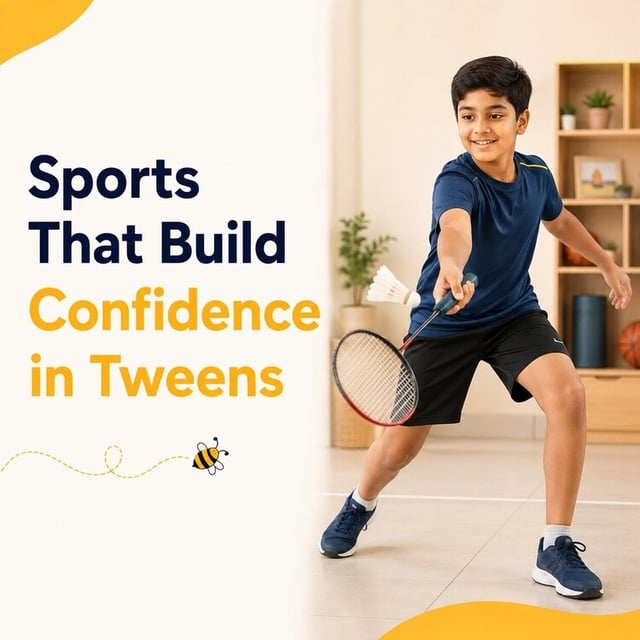
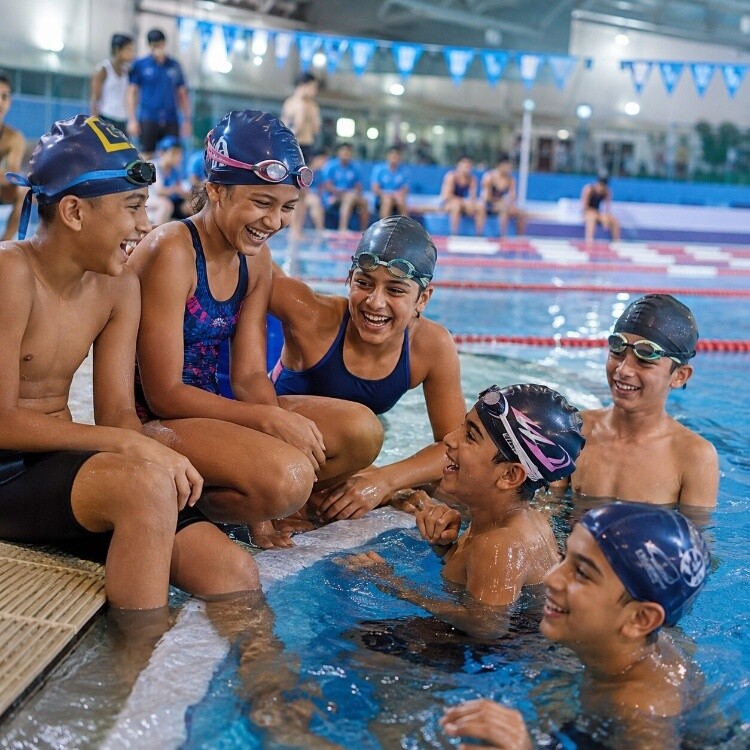
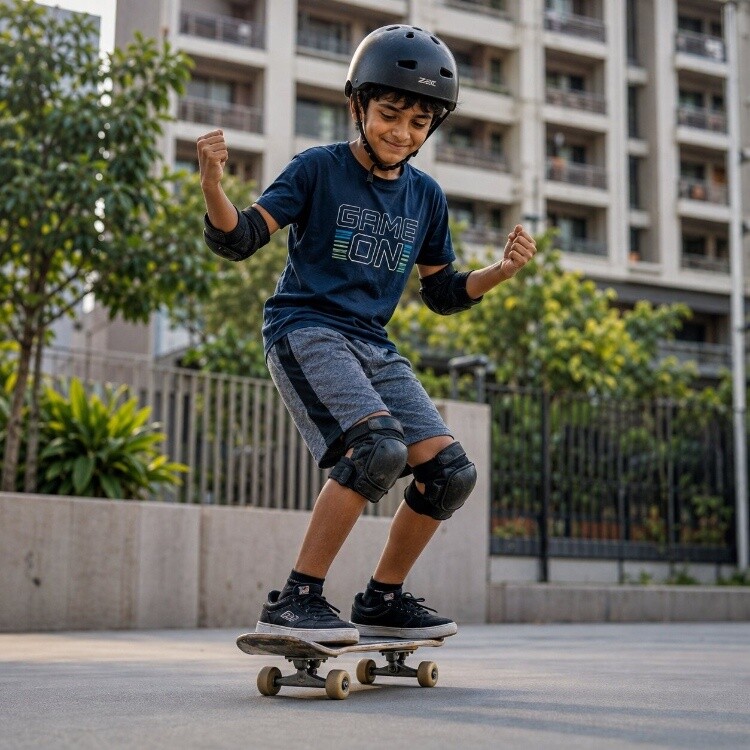
Pre-teen confidence through sport comes less from winning and more from mastery, belonging, and body ownership during a physically and socially uncertain age. Here's what genuinely builds it.
Ages 9-12 bring real physical and social self-consciousness. Sport, chosen and coached well, is one of the most reliable confidence-builders available at exactly this vulnerable window.
Why sport matters specifically now
Physical competence offers concrete, undeniable evidence of capability during an age when so much else feels uncertain and externally judged.
Sports and what they specifically build at this age
Team sports — belonging and shared identity, particularly valuable for tweens navigating friend-group anxiety.
Individual sports with personal-best framing — confidence not dependent on beating others.
Martial arts — body ownership and self-defence competence, particularly confidence-building for tweens navigating new body self-consciousness.
Dance — body confidence through a skill-based lens rather than an appearance-based one.
Climbing — problem-solving plus physical challenge, appealing to tweens who don't identify as "sporty."
Racket sports — accessible skill progression with visible improvement.
The coaching quality question, more critical now
A coach who shames mistakes or emphasises winning over development can genuinely damage confidence at this vulnerable age.
The body-image dimension, addressed directly
Puberty's early stages often begin within this age range. Choosing activities where the child feels genuinely comfortable deserves respect rather than dismissal as a phase to push through.
When sport becomes confidence-damaging rather than building
Persistent dread before practice, declining performance alongside declining enjoyment are signals worth a genuine conversation.