
 Summer Camp
 Reading Writing
 Book Club
 Calligraphy
 Creative Writing
 English Speaking
 Handwriting
 Library
 Phonics
 Story Telling
 Art and Craft
 Clay Moulding
 Drawing
 Painting
 Pottery
 Sketching
 Drama Theatre
 Personality Development
 Public Speaking
 Languages
 Arabic
 Chinese
 French
 German
 Hindi
Hindi Italian
 Japanese
 Korean
 Persian
 Portuguese
 Russian
 Spanish
 Turkish
 Uzbek
Uzbek Sports and Fitness
 Aerobics
 Athletics
 Badminton
 Basket Ball
 Chess
Chess Cricket
 Football
 Golf
Golf Gymnastics
 Hulahoop
 Karate
 Martial Arts
 Pickleball
 Rugby
Rugby Skating
 Swimming
 Taekwondo
 Tennis
 Volleyball
 Yoga
Yoga Zumba
Zumba Tuition Classes
 Accounts
 Biology
 Business Studies
 CBSE
CBSE Chemistry
 Commerce
 Economics
 Homework Classes
 IB Board
 IGCSE
IGCSE Mathematics
 Physics
 Psychology
 Science
 Social Studies
 Vedic Maths
 Dance and Music
 Ballet
 Bhangra
 Bharatnatyam
 Bollywood Dance
 Casio
Casio Dandiya and Garba
 Drums
Drums Flute
Flute Guitar
 Harmonium
 Hip Hop
 Jazz
Jazz Kathak
 Keyboard
 Piano
Piano Salsa
Salsa Shlokas
 Sitar
Sitar Tabla
Tabla Ukulele
 Violin
 Vocal
Vocal Play School
 STEM
STEM
 Abacus
 App Development
 Artificial intelligence
 Basic Computer Courses
 Canva
Canva Coding
 Graphic Design
 Lego
Lego Python
 Robotics
 Rubiks Cube
 Scrabble
 Scratch
 Website Development
 Winter Camp
 Workshops
 Diwali Workshop
 Easter
 Ganesh Mahotsav
 Guru Nanak Jayanti Workshop
 Holi
Holi Independence day workshop
 Janmashtami Workshop
 Mothers day
 Navratri Workshops
 Raksha Bandhan workshop
 Ramayana Workshop
 Spring Camp
 Valentines Day Workshops
 Festive
 Daycare
 Cooking and Food
 Spring Camp
 Contests and Competitions
 Special abled
 Republic Day Workshops
 Mela
Mela
 Mela
Mela Cognitive Development
 Mother-Toddler Program
-Jul-03-2026-06-59-25-1926-AM.webp?width=30&height=30&name=Smart_20Skills_20(2)-Jul-03-2026-06-59-25-1926-AM.webp) Smart Skills
Smart Skills
 Financial Literacy
 Mental Wellbeing
 Meditation
 Reiki
Reiki




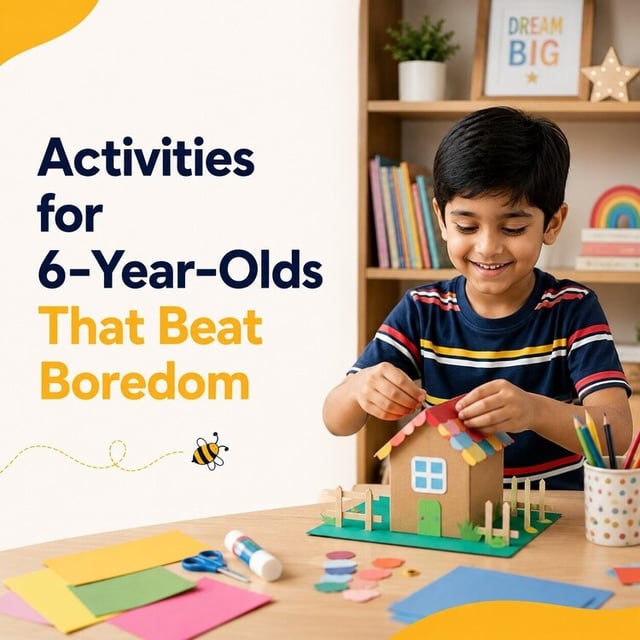
Six-year-old boredom is a feature with a handling protocol — a beat of non-rescue, an activity menu for genuine gaps, and the distinction between bored and tired. These 15 activities stock the menu.
"I'm bored" at six is usually a transition state, not an emergency — and the response protocol matters more than the activity list. But the list helps.
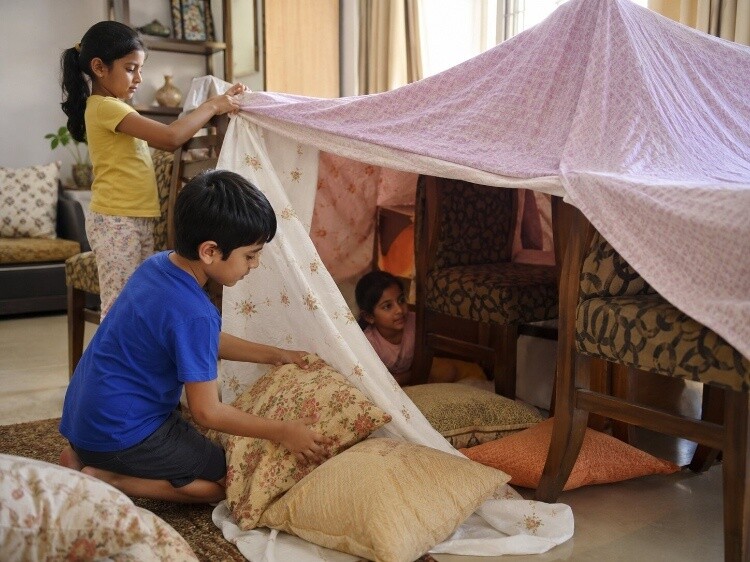
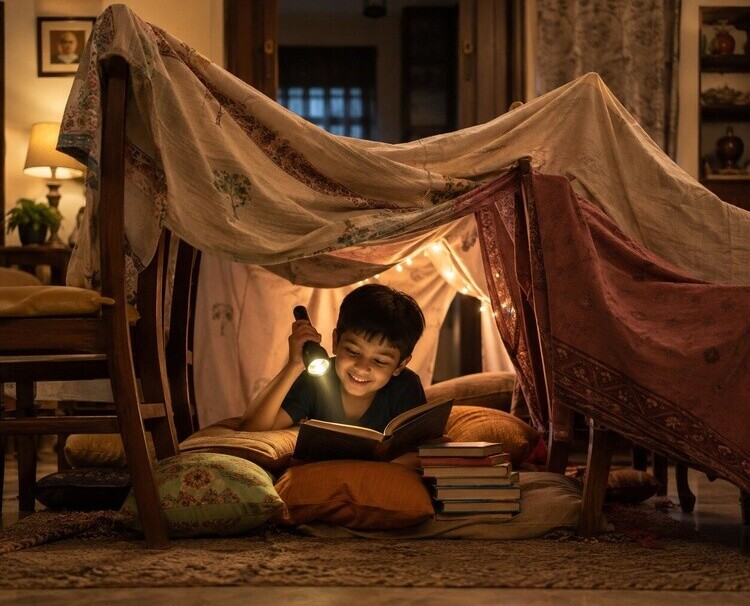
Fort construction
Sheets, chairs, and cushions — the classic for the full afternoon it consumes.
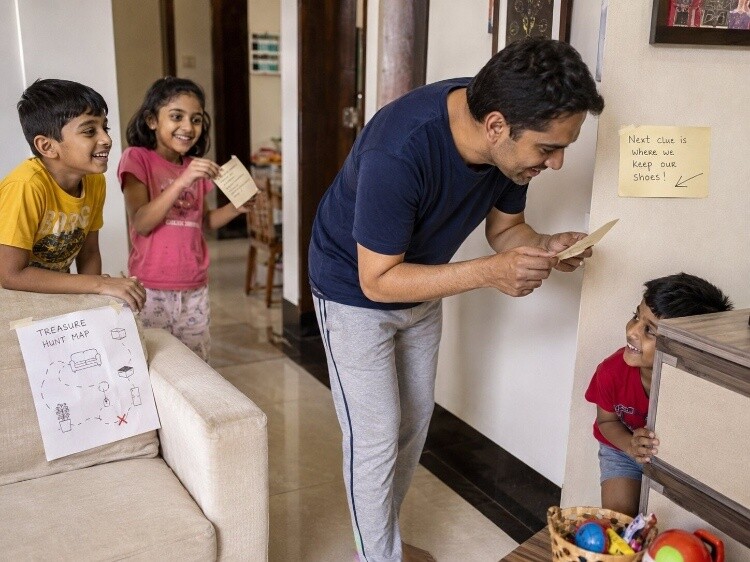
Treasure hunts, self-made
They hide, they clue, you hunt — the reversal doubles the game.
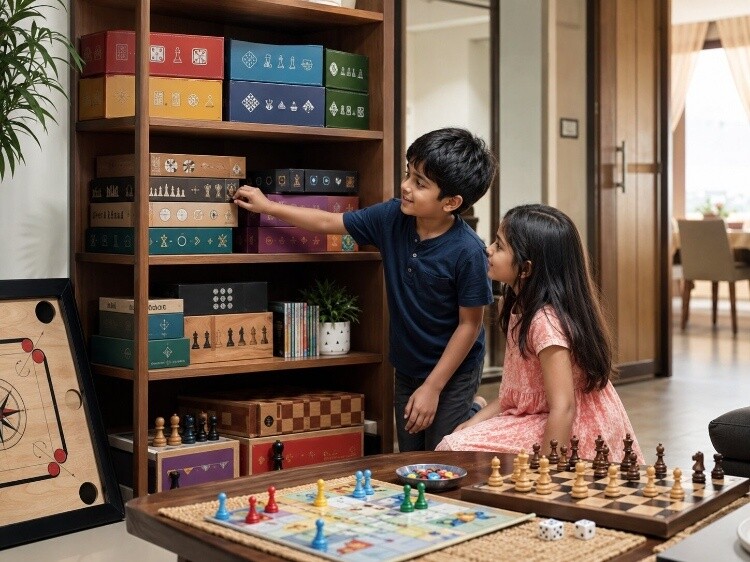
Board game ladder
The family shelf, now including first strategy games.
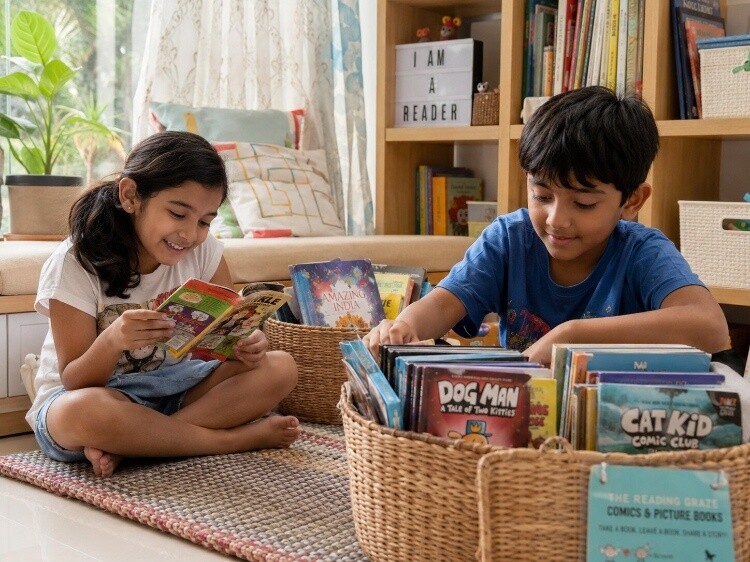
Comic and picture-book bins
The reading graze — bins refreshed via library rotation.
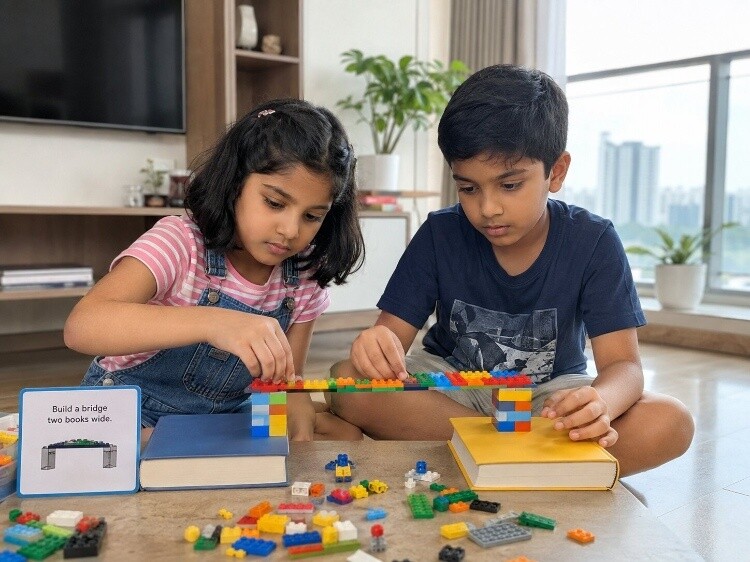
Lego and construction challenges
Free-build or challenge cards ("a bridge two books wide").
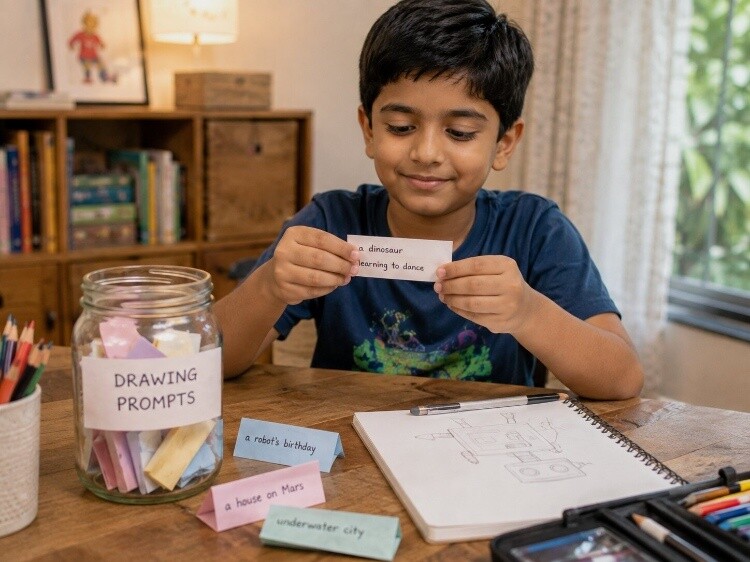
Drawing prompt jars
Folded prompts ("a robot's birthday") for the blank-page stuck.
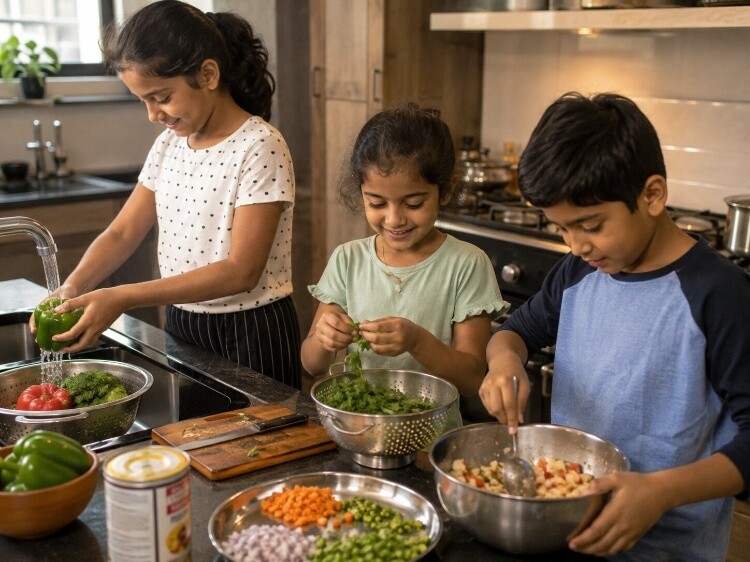
Kitchen apprenticeship
Real cooking jobs: washing, tearing, stirring, assembling.
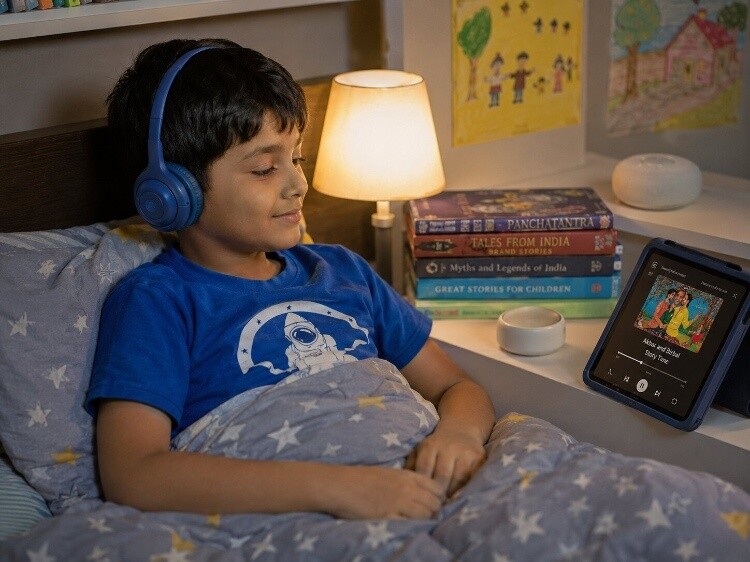
Audio stories and podcasts
The screen-free story graze for wind-down hours.
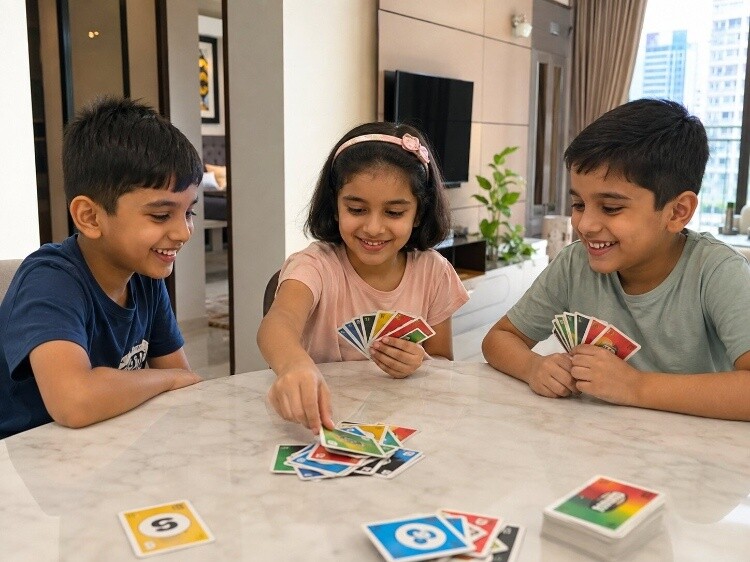
Card game basics
UNO-style and matching games — pocket-sized boredom killers.
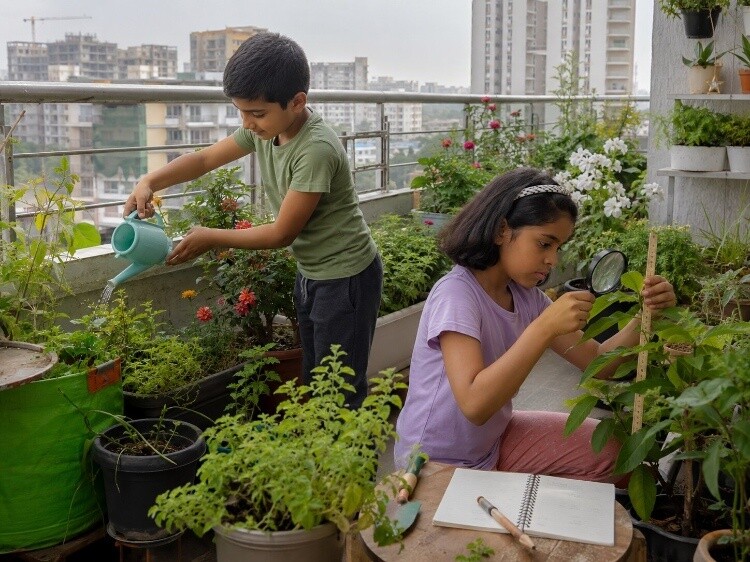
Balcony/garden missions
Watering rounds, bug surveys, plant measuring.
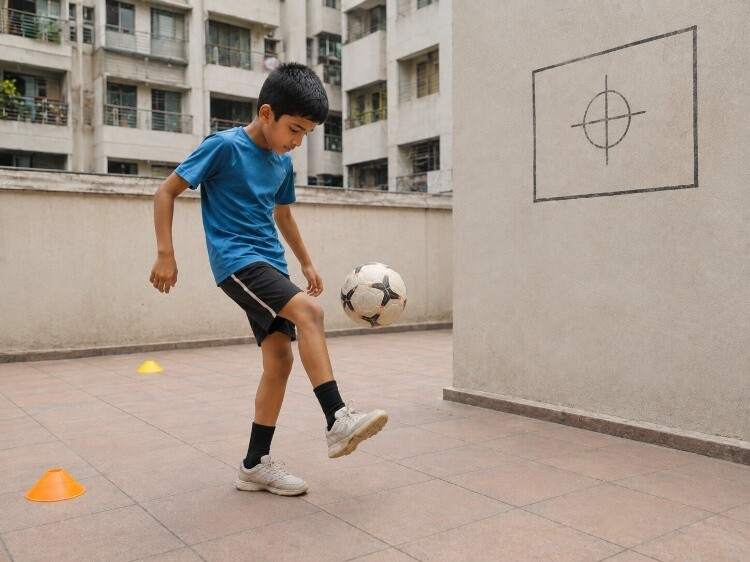
Solo ball skill challenges
Wall-catch counts, keepy-uppy attempts, target practice.
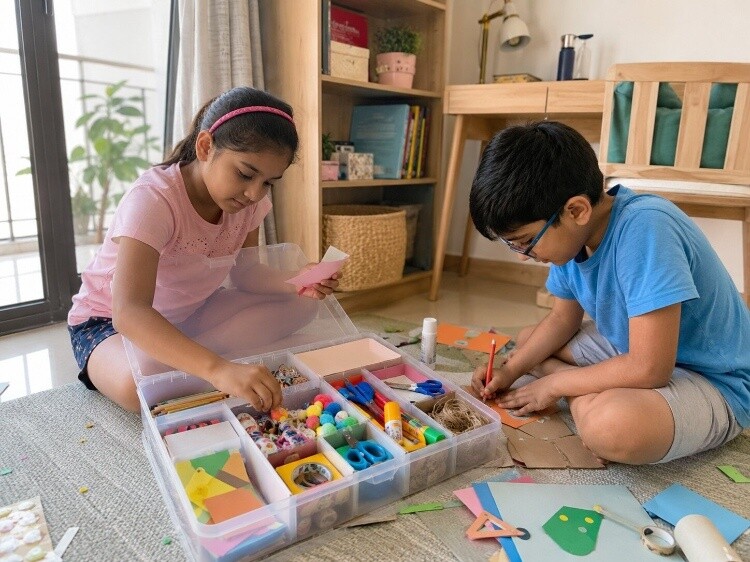
Craft stash access
The self-serve materials box for unprompted making.
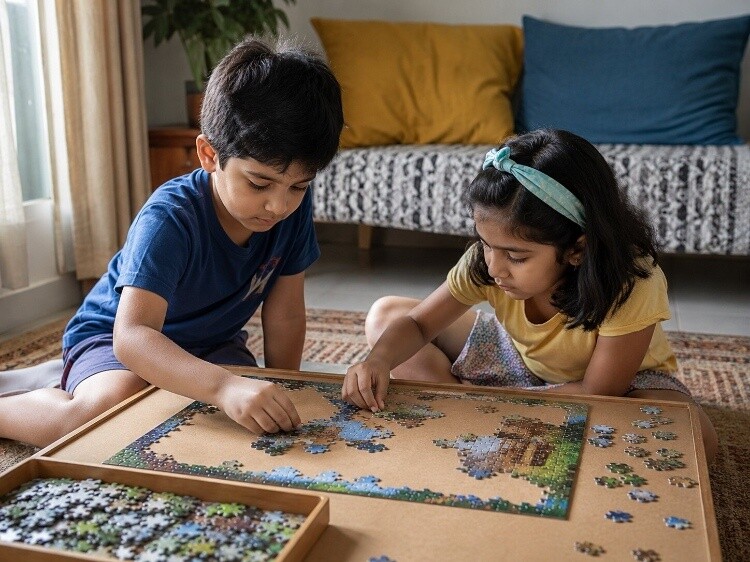
Puzzle corner
A 100-piece in progress on a tray, returned to across days.
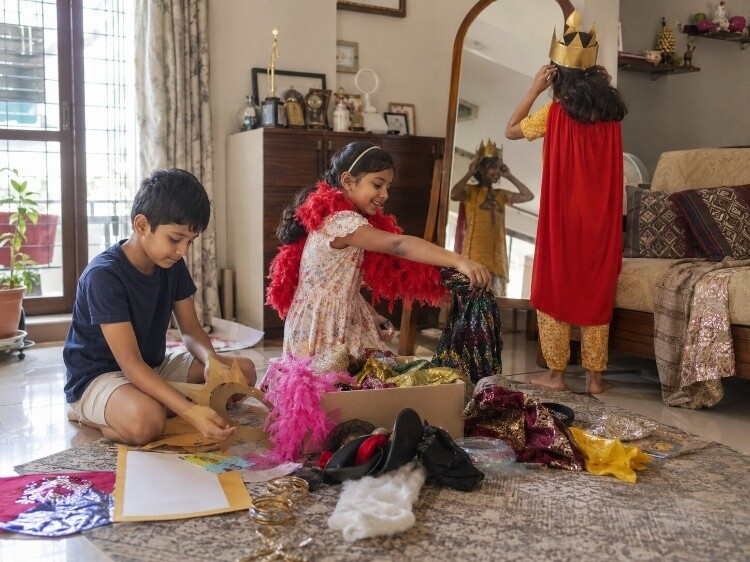
Dress-up and show prep
Costume box theatrics building toward the family show.
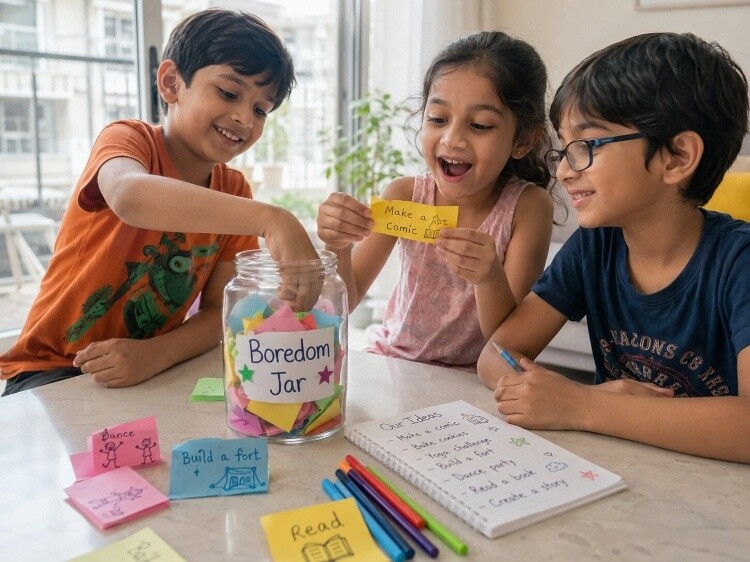
Their own "boredom jar"
Activities they wrote/drew on slips, drawn blind when stuck — self-authored rescue.
The protocol around the list
First response to "I'm bored": sympathetic non-rescue — "hmm, wonder what you'll find to do" — and a genuine beat of waiting, because self-launched play outlasts adult-launched play every time. The menu deploys for genuine gaps (post-illness, weather-trapped day three), not every whine. And the diagnostic matters: the "bored" that's actually tired needs quiet and early bed, not stimulation; the "bored" that's actually lonely needs twenty connected minutes, not activities.
Screen-boredom dynamics at six
Screens don't cure boredom — they defer it with interest: the post-screen restlessness is boredom compounding. Boredom-to-screen as the default pathway is the habit worth interrupting at this age, and the menu-plus-protocol is the interruption mechanism.