
 Summer Camp
 Reading Writing
 Book Club
 Calligraphy
 Creative Writing
 English Speaking
 Handwriting
 Library
 Phonics
 Story Telling
 Art and Craft
 Clay Moulding
 Drawing
 Painting
 Pottery
 Sketching
 Drama Theatre
 Personality Development
 Public Speaking
 Languages
 Arabic
 Chinese
 French
 German
 Hindi
Hindi Italian
 Japanese
 Korean
 Persian
 Portuguese
 Russian
 Spanish
 Turkish
 Uzbek
Uzbek Sports and Fitness
 Aerobics
 Athletics
 Badminton
 Basket Ball
 Chess
Chess Cricket
 Football
 Golf
Golf Gymnastics
 Hulahoop
 Karate
 Martial Arts
 Pickleball
 Rugby
Rugby Skating
 Swimming
 Taekwondo
 Tennis
 Volleyball
 Yoga
Yoga Zumba
Zumba Tuition Classes
 Accounts
 Biology
 Business Studies
 CBSE
CBSE Chemistry
 Commerce
 Economics
 Homework Classes
 IB Board
 IGCSE
IGCSE Mathematics
 Physics
 Psychology
 Science
 Social Studies
 Vedic Maths
 Dance and Music
 Ballet
 Bhangra
 Bharatnatyam
 Bollywood Dance
 Casio
Casio Dandiya and Garba
 Drums
Drums Flute
Flute Guitar
 Harmonium
 Hip Hop
 Jazz
Jazz Kathak
 Keyboard
 Piano
Piano Salsa
Salsa Shlokas
 Sitar
Sitar Tabla
Tabla Ukulele
 Violin
 Vocal
Vocal PlaySchools
 Preschool
 STEM
STEM
 Abacus
 App Development
 Artificial intelligence
 Basic Computer Courses
 Canva
Canva Coding
 Graphic Design
 Lego
Lego Python
 Robotics
 Rubiks Cube
 Scrabble
 Scratch
 Website Development
 Winter Camp
 Workshops
 Diwali Workshop
 Easter
 Ganesh Mahotsav
 Guru Nanak Jayanti Workshop
 Holi
Holi Independence day workshop
 Janmashtami Workshop
 Mothers day
 Navratri Workshops
 Raksha Bandhan workshop
 Ramayana Workshop
 Spring Camp
 Valentines Day Workshops
 Festive
 Daycare
 Cooking and Food
 Spring Camp
 Contests and Competitions
 Special abled
 Republic Day Workshops
 Mela
Mela
 Mela
Mela Cognitive Development
 Mother-Toddler Program
-Jul-03-2026-06-59-25-1926-AM.webp?width=30&height=30&name=Smart_20Skills_20(2)-Jul-03-2026-06-59-25-1926-AM.webp) Smart Skills
Smart Skills
 Financial Literacy




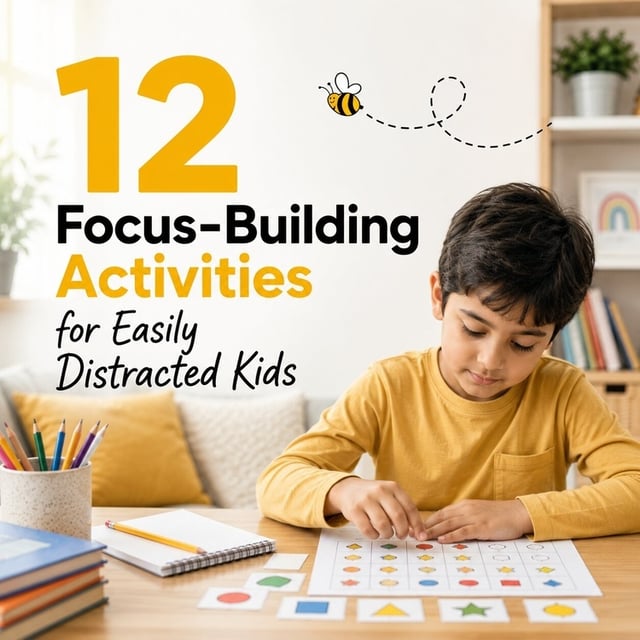
A child described as "easily distracted" is often simply developing focus at their own natural pace — these 12 activities build sustained attention gradually and gently, without labelling or pressuring a child who's genuinely still developing this skill.
The word "distracted" often gets used as if it describes a fixed trait, when for most children it's simply a developing skill, progressing at an individual pace. These activities build sustained attention gradually, through genuinely engaging tasks rather than forced stillness.
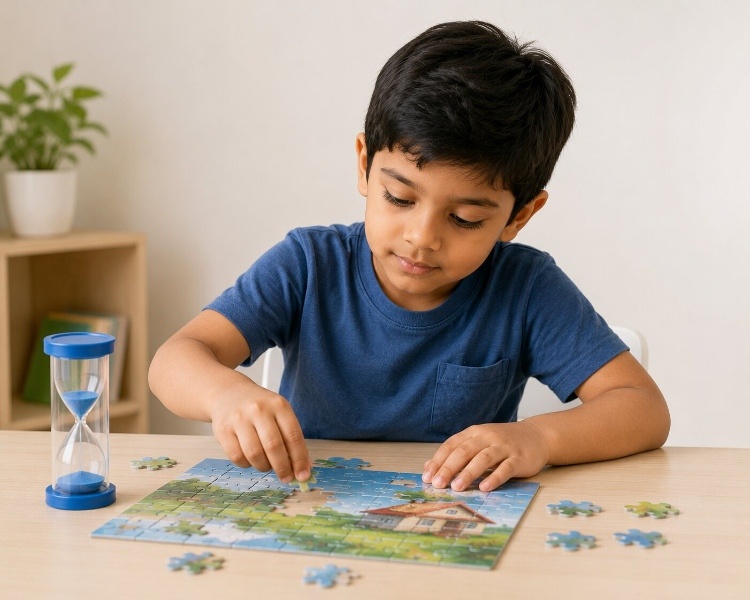

Start with genuinely short focus periods and build gradually
Expecting 20 minutes of sustained focus from a child who currently manages 5 sets them up for failure — start at their actual current capacity and extend gradually, week by week.
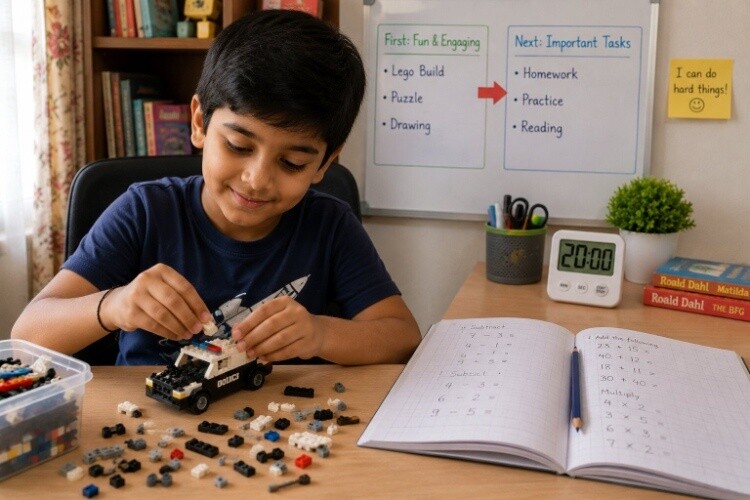
Use highly engaging tasks first, gradually introducing less inherently interesting ones
Building focus stamina on a task a child genuinely enjoys (a favourite puzzle, a Lego build) transfers gradually to less inherently engaging tasks like homework.
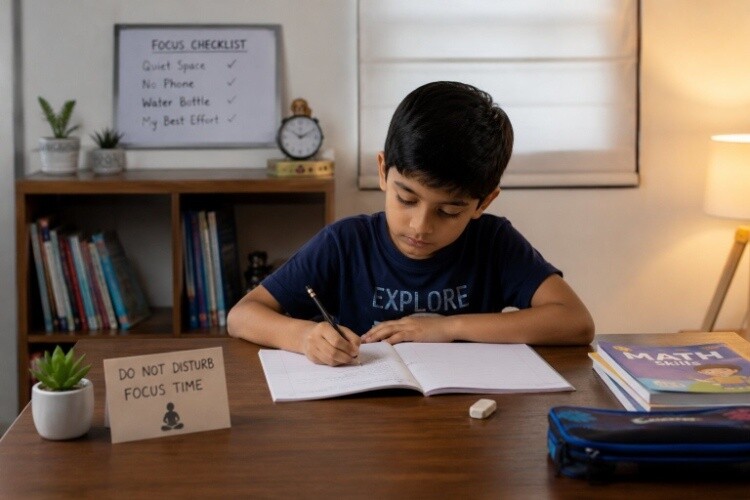
Minimise environmental distractions during focus tasks
A visible TV, phone notifications, or general household noise all compete for attention that's still developing the capacity to filter distraction — a quieter, simpler environment genuinely helps.
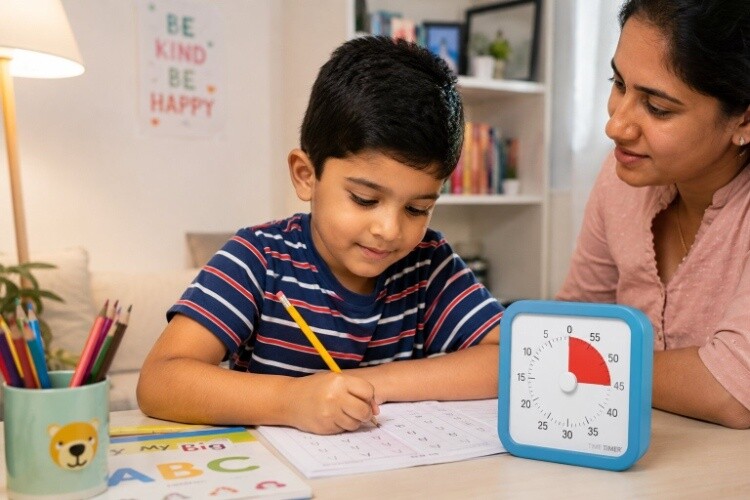
Use visual timers for concrete focus goals
A visible countdown timer gives a concrete, understandable goal ("focus until the timer ends") that's easier for a young child to grasp than an abstract instruction to "concentrate."
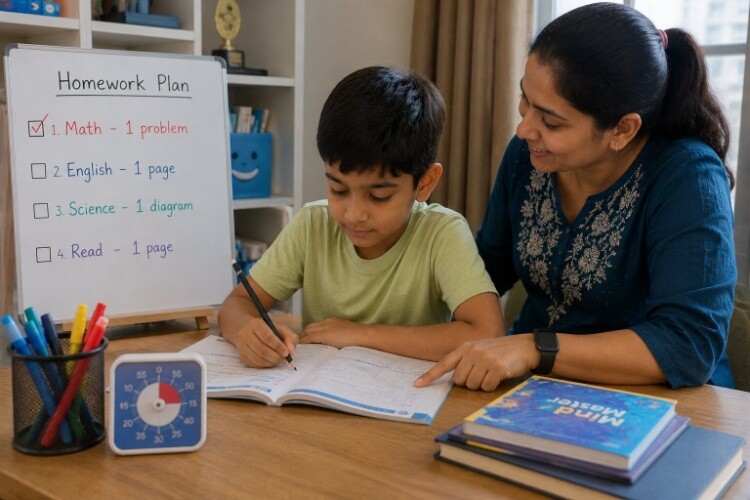
Break tasks into very small, clearly defined chunks
"Finish this one math problem" is more achievable and less overwhelming than "finish your homework," especially for a child whose focus capacity is still developing.
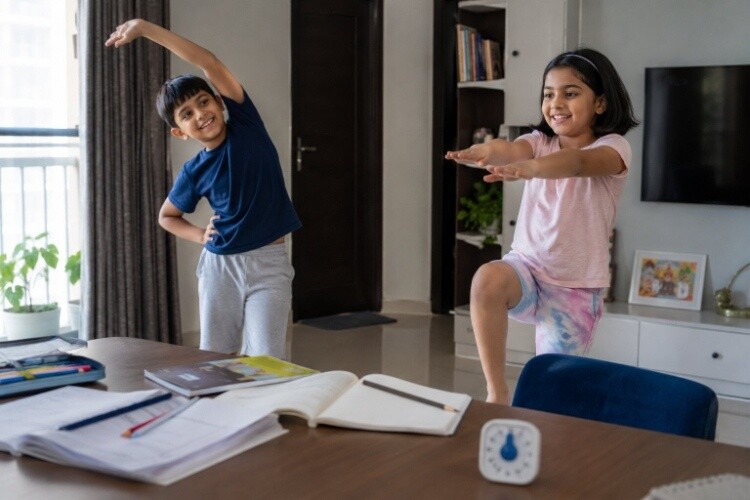
Incorporate movement breaks proactively, not just reactively
Building in a planned movement break every 10-15 minutes (rather than waiting for a child to lose focus entirely) tends to extend overall productive focus time.
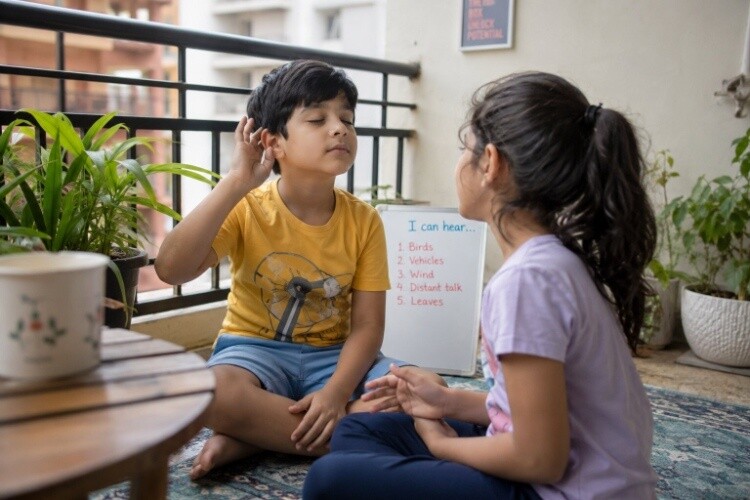
Practice mindfulness-based attention games
Simple games like "listen for 5 different sounds around you" build the underlying attention-directing skill in a genuinely engaging, low-pressure format.

Use physical fidget tools thoughtfully
For some children, a simple fidget tool (a stress ball, textured object) actually supports rather than undermines focus, by providing a small physical outlet that reduces overall restlessness.
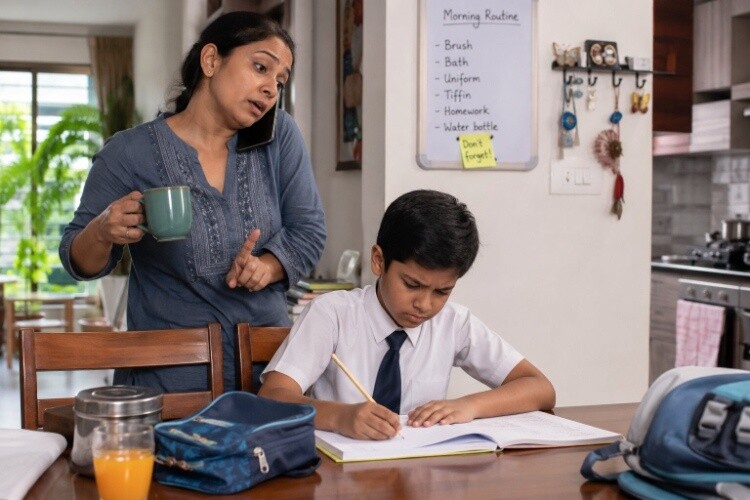
Reduce multitasking expectations
Asking a child to listen to instructions while also doing something else simultaneously (common during hurried mornings) undermines focus development — giving full attention to one instruction at a time helps.

Praise focus effort specifically, not just outcomes
"I noticed you kept working on that even when it got hard" reinforces the specific behaviour of sustained attention, separate from whether the task was completed perfectly.

Ensure adequate sleep and physical activity as a foundation
As covered in the broader concentration post, focus capacity is significantly affected by sleep quality and physical activity levels — addressing these fundamentals often improves focus more than any specific "focus activity."

Model sustained focus yourself, visibly
A child who regularly observes a parent engaged in a focused task without constant interruption absorbs, over time, a model of what sustained attention looks like.
Avoiding the trap of labelling too early
Describing a young child as having an inherent "focus problem" can become a self-fulfilling narrative, both for how the child sees themselves and how they're treated. Most children's focus capacity develops significantly and naturally between ages 4 and 10 — patience and consistent, gentle practice usually matter more than any specific intervention.
When to seek additional guidance
If focus difficulty is severe, consistent across multiple settings, and significantly impacting daily functioning and relationships despite consistent supportive practice over several months, a conversation with a paediatrician is reasonable — not to rush toward a label, but to understand whether additional support would genuinely help.