
 Summer Camp
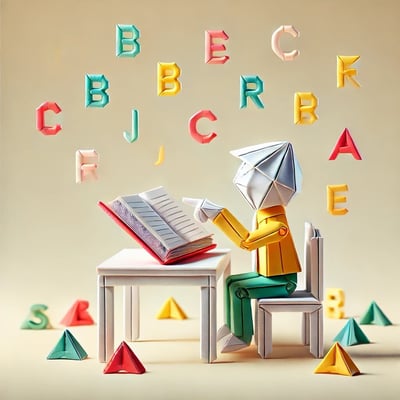
 Reading Writing
 Book Club
 Calligraphy
 Creative Writing
 English Speaking
 Handwriting
 Library
 Phonics
 Story Telling
 Art and Craft
 Clay Moulding
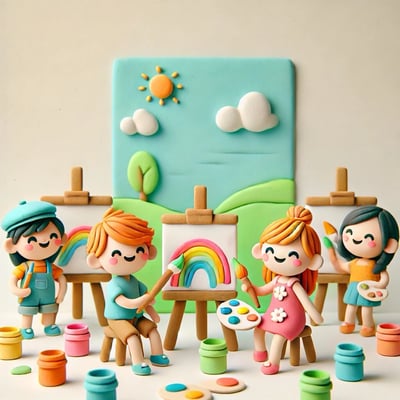
 Drawing
 Painting
 Pottery
 Sketching
 Drama Theatre
 Personality Development
 Public Speaking
 Languages
 Arabic
 Chinese
 French
 German
 Hindi
Hindi Italian
 Japanese
 Korean
 Persian
 Portuguese
 Russian
 Spanish
 Turkish
 Uzbek
Uzbek Sports and Fitness
 Aerobics
 Athletics
 Badminton
 Basket Ball
 Chess
Chess Cricket
 Football
 Golf
Golf Gymnastics
 Hulahoop
 Karate
 Martial Arts
 Pickleball
 Rugby
Rugby Skating
 Swimming
 Taekwondo
 Tennis
 Volleyball
 Yoga
Yoga Zumba
Zumba Tuition Classes
 Accounts
 Biology
 Business Studies
 CBSE
CBSE Chemistry
 Commerce
 Economics
 Homework Classes
 IB Board
 IGCSE
IGCSE Mathematics
 Physics
 Psychology
 Science
 Social Studies
 Vedic Maths
 Dance and Music
 Ballet
 Bhangra
 Bharatnatyam
 Bollywood Dance
 Casio
Casio Dandiya and Garba
 Drums
Drums Flute
Flute Guitar
 Harmonium
 Hip Hop
 Jazz
Jazz Kathak
 Keyboard
 Piano
Piano Salsa
Salsa Shlokas
 Sitar
Sitar Tabla
Tabla Ukulele
 Violin
 Vocal
Vocal Play School
 STEM
STEM
 Abacus
 App Development
 Artificial intelligence
 Basic Computer Courses
 Canva
Canva Coding
 Graphic Design
 Lego
Lego Python
 Robotics
 Rubiks Cube
 Scrabble
 Scratch
 Website Development
 Winter Camp
 Workshops
 Diwali Workshop
 Easter
 Ganesh Mahotsav
 Guru Nanak Jayanti Workshop
 Holi
Holi Independence day workshop
 Janmashtami Workshop
 Mothers day
 Navratri Workshops
 Raksha Bandhan workshop
 Ramayana Workshop
 Spring Camp
 Valentines Day Workshops
 Festive
 Daycare
 Cooking and Food
 Spring Camp
 Contests and Competitions
 Special abled
 Republic Day Workshops
 Mela
Mela
 Mela
Mela Cognitive Development
 Mother-Toddler Program
-Jul-03-2026-06-59-25-1926-AM.webp?width=30&height=30&name=Smart_20Skills_20(2)-Jul-03-2026-06-59-25-1926-AM.webp) Smart Skills
Smart Skills
 Financial Literacy
 Mental Wellbeing
 Meditation
 Reiki
Reiki




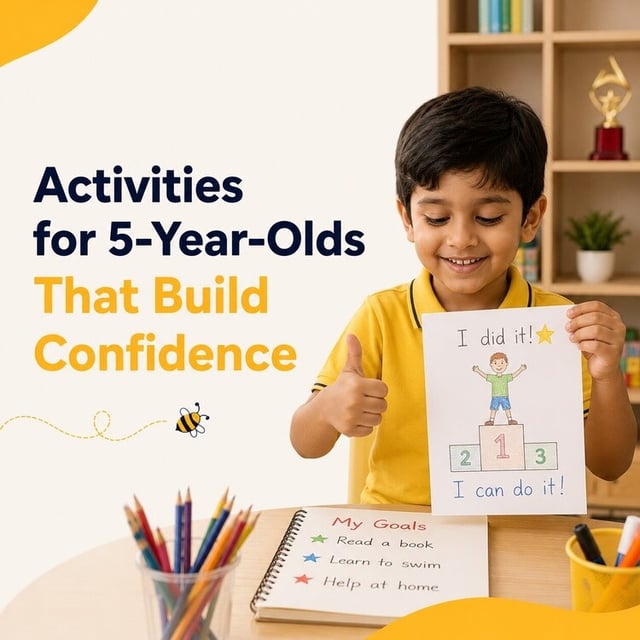
Five-year-old confidence grows from real capability — skills mastered, responsibilities held, challenges survived. These activities build the genuine article, not praise-dependent self-esteem.
Confidence at five is built the honest way: through things actually done. The activities below are capability-builders first; the confidence is the byproduct.
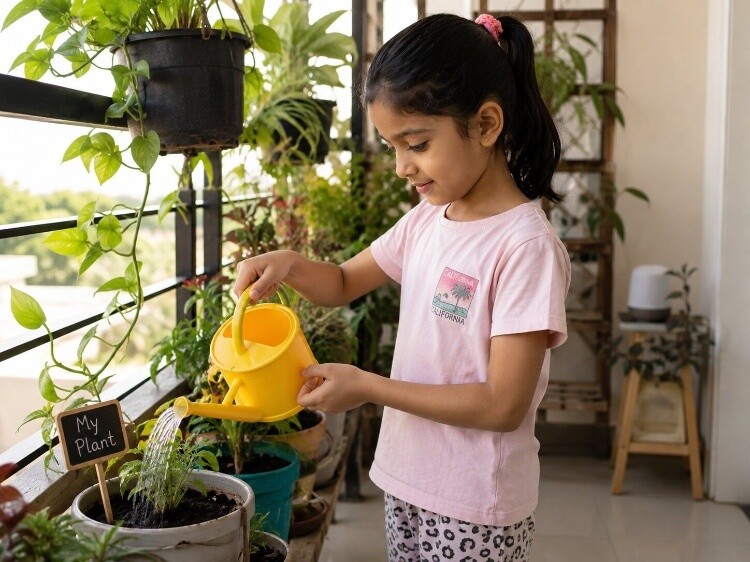
Real household jobs with ownership
Watering specific plants, setting the table, sorting the washing — jobs that matter and are theirs.
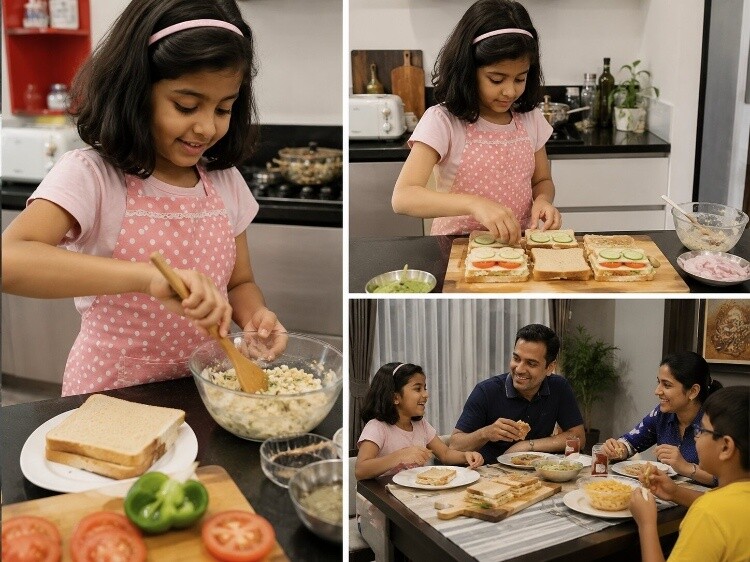
Cooking tasks with real outcomes
Kneading, stirring, assembling their own sandwich — food they made, eaten by the family.
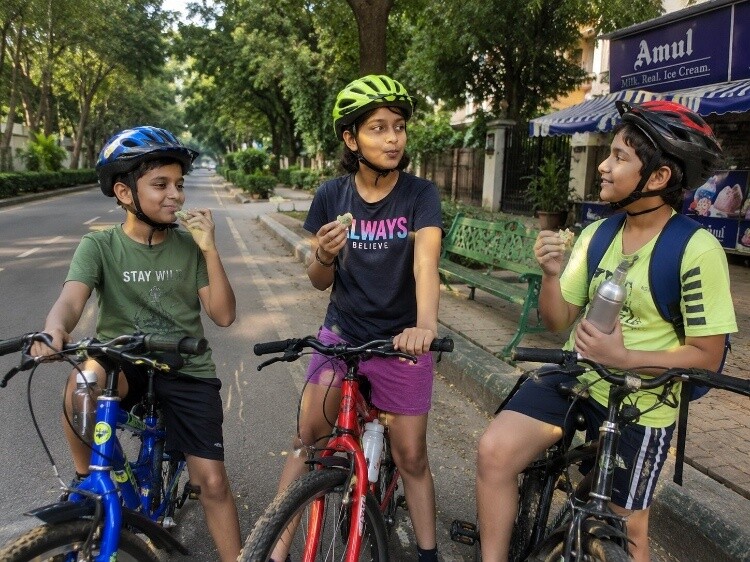
Skill-learning with visible progress
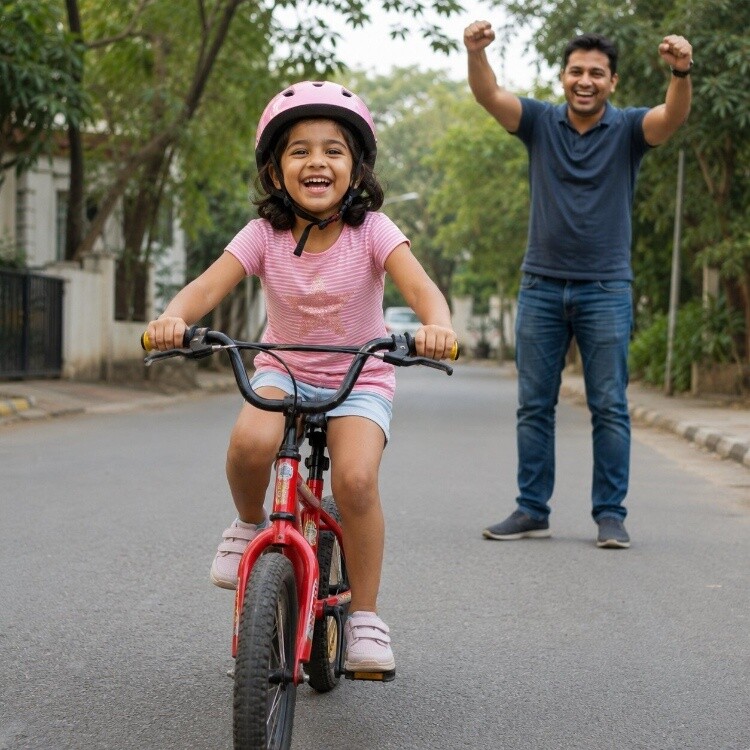
Cycling without training wheels, swimming basics, a first skating attempt — the mastered-something-hard experience is confidence bedrock.
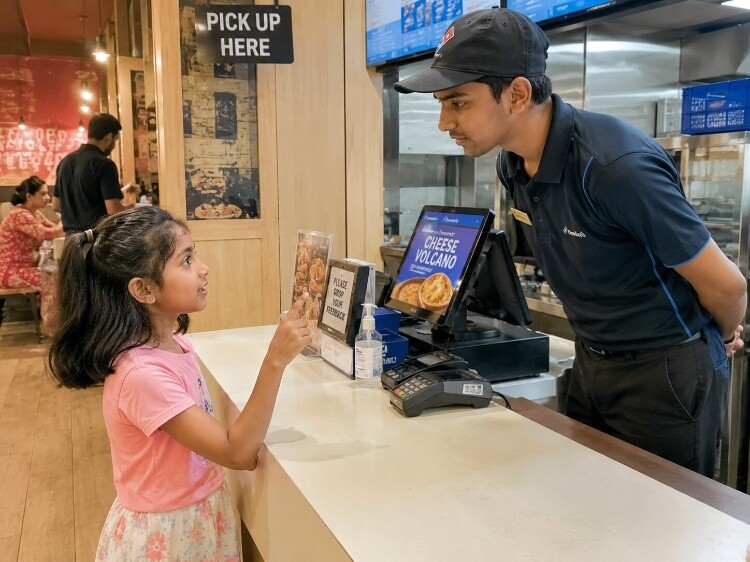
Ordering for themselves
Speaking to the shopkeeper, telling the waiter their order — small public-voice reps.
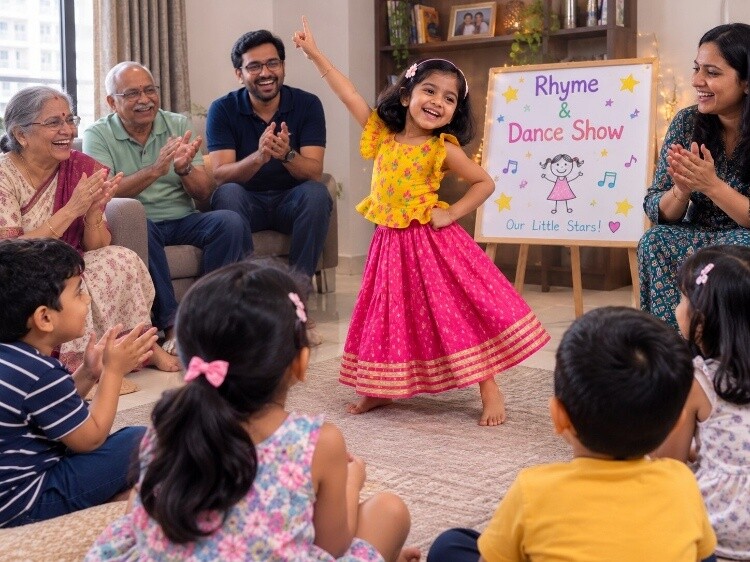
Performance in safe circles
The family-gathering rhyme, the building-friends dance show — audience experience at survivable stakes.
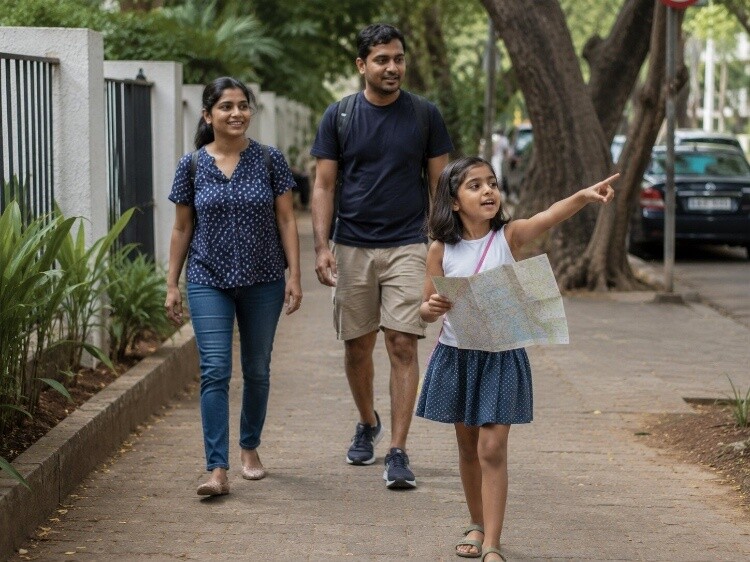
Navigation jobs
"You lead us home from the park" — being the one who knows the way.
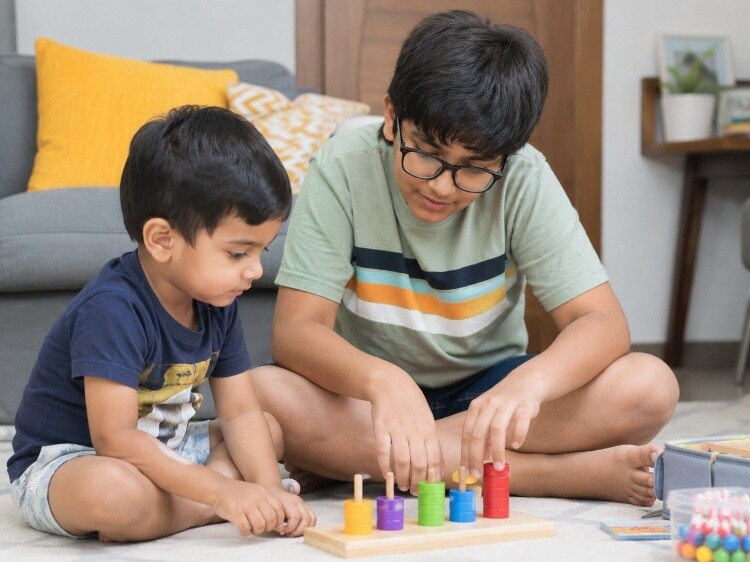
Teaching someone else
Showing a younger cousin a game or skill — nothing builds capability-awareness like transmitting it.
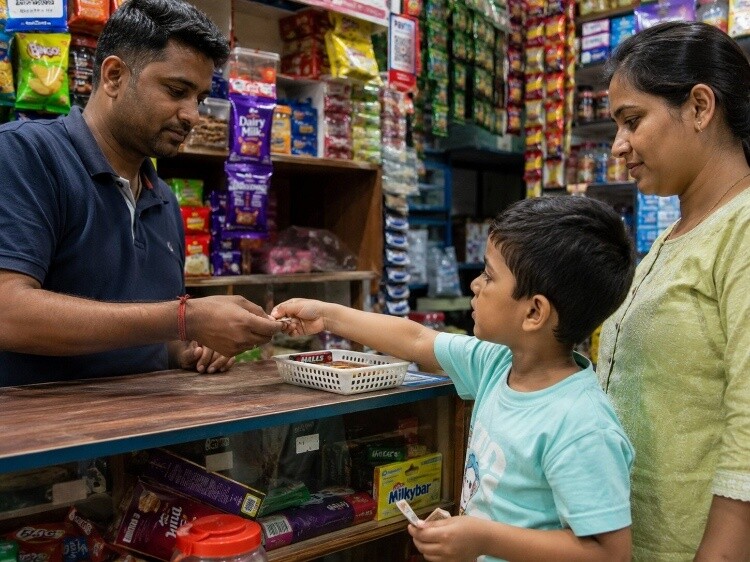
Money handling in miniature
Paying the shopkeeper and counting change with supervision — real-world transaction competence.
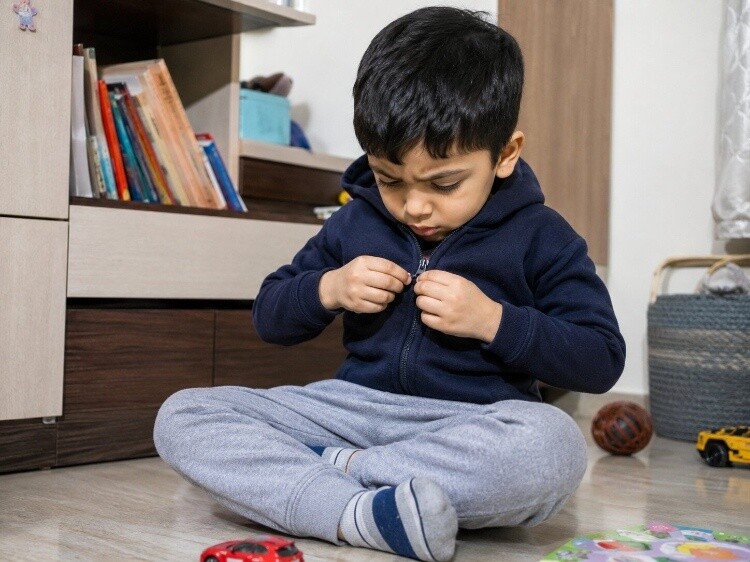
Problem-solving before rescue
The stuck zip, the unreachable toy, the puzzle dead-end — a beat of struggle-space before help arrives.
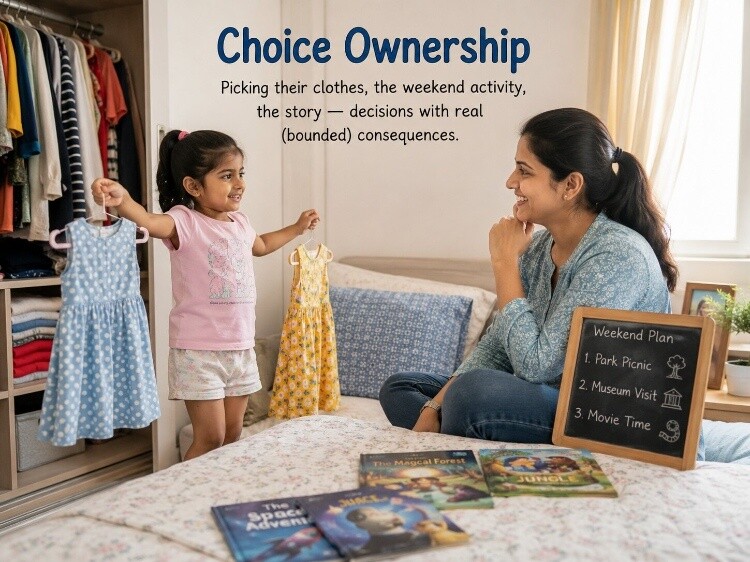
Choice ownership
Picking their clothes, the weekend activity, the story — decisions with real (bounded) consequences.
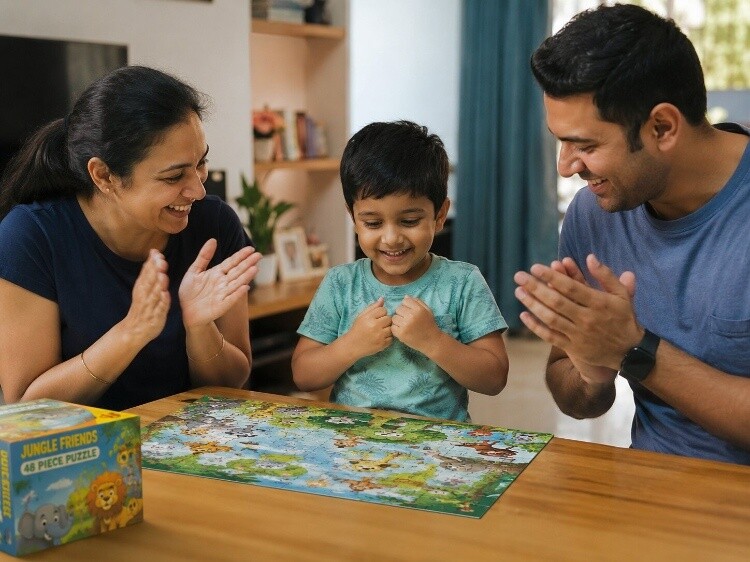
Finishing hard things
The 48-piece puzzle, the long walk, the tricky Lego build — completion of effortful things, celebrated for the effort.
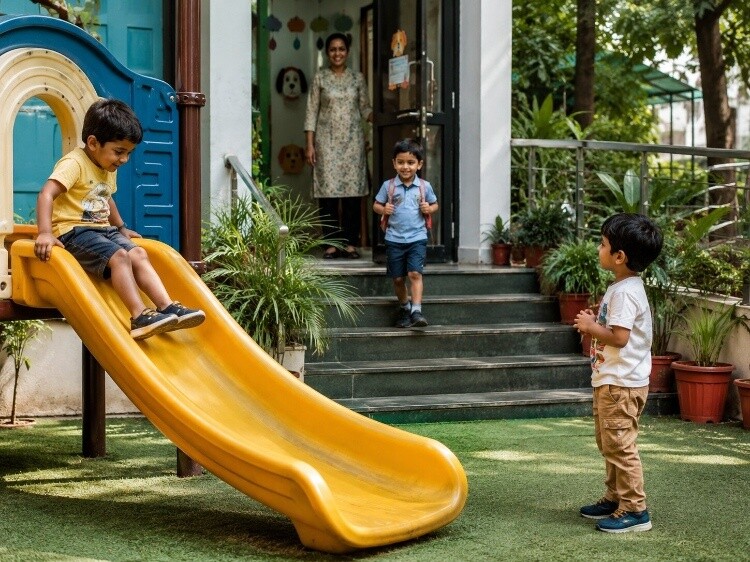
Brave-thing practice
The slightly-higher slide, the first solo class entry, greeting the new neighbour — courage reps at the growth edge, never past it.
The praise calibration
"You did it — you kept trying and figured it out" attaches confidence to process the child controls; "you're so smart/talented" attaches it to fixed traits that the first failure disproves. Specific, effort-focused, and slightly under-stated beats gushing — children detect inflation and discount accordingly.
The rescue reflex, resisted
Every pre-empted struggle is a stolen capability rep. The working rule: safety interventions immediately, frustration interventions on request, and a supportive presence in between. "You're still working on it" is often the entire needed contribution.
Structured classes as confidence engines
The first drop-off class — sports, dance, art, swimming — is itself a confidence project: entering alone, following a new adult, performing among peers. Choosing by the child's interest and starting with trial classes stacks the odds; the class where they're excited to return is building more than the skill on the signboard.