
 Summer Camp
 Reading Writing
 Book Club
 Calligraphy
 Creative Writing
 English Speaking
 Handwriting
 Library
 Phonics
 Story Telling
 Art and Craft
 Clay Moulding
 Drawing
 Painting
 Pottery
 Sketching
 Drama Theatre
 Personality Development
 Public Speaking
 Languages
 Arabic
 Chinese
 French
 German
 Hindi
Hindi Italian
 Japanese
 Korean
 Persian
 Portuguese
 Russian
 Spanish
 Turkish
 Uzbek
Uzbek Sports and Fitness
 Aerobics
 Athletics
 Badminton
 Basket Ball
 Chess
Chess Cricket
 Football
 Golf
Golf Gymnastics
 Hulahoop
 Karate
 Martial Arts
 Pickleball
 Rugby
Rugby Skating
 Swimming
 Taekwondo
 Tennis
 Volleyball
 Yoga
Yoga Zumba
Zumba Tuition Classes
 Accounts
 Biology
 Business Studies
 CBSE
CBSE Chemistry
 Commerce
 Economics
 Homework Classes
 IB Board
 IGCSE
IGCSE Mathematics
 Physics
 Psychology
 Science
 Social Studies
 Vedic Maths
 Dance and Music
 Ballet
 Bhangra
 Bharatnatyam
 Bollywood Dance
 Casio
Casio Dandiya and Garba
 Drums
Drums Flute
Flute Guitar
 Harmonium
 Hip Hop
 Jazz
Jazz Kathak
 Keyboard
 Piano
Piano Salsa
Salsa Shlokas
 Sitar
Sitar Tabla
Tabla Ukulele
 Violin
 Vocal
Vocal Play School
 STEM
STEM
 Abacus
 App Development
 Artificial intelligence
 Basic Computer Courses
 Canva
Canva Coding
 Graphic Design
 Lego
Lego Python
 Robotics
 Rubiks Cube
 Scrabble
 Scratch
 Website Development
 Winter Camp
 Workshops
 Diwali Workshop
 Easter
 Ganesh Mahotsav
 Guru Nanak Jayanti Workshop
 Holi
Holi Independence day workshop
 Janmashtami Workshop
 Mothers day
 Navratri Workshops
 Raksha Bandhan workshop
 Ramayana Workshop
 Spring Camp
 Valentines Day Workshops
 Festive
 Daycare
 Cooking and Food
 Spring Camp
 Contests and Competitions
 Special abled
 Republic Day Workshops
 Mela
Mela
 Mela
Mela Cognitive Development
 Mother-Toddler Program
-Jul-03-2026-06-59-25-1926-AM.webp?width=30&height=30&name=Smart_20Skills_20(2)-Jul-03-2026-06-59-25-1926-AM.webp) Smart Skills
Smart Skills
 Financial Literacy
 Mental Wellbeing
 Meditation
 Reiki
Reiki




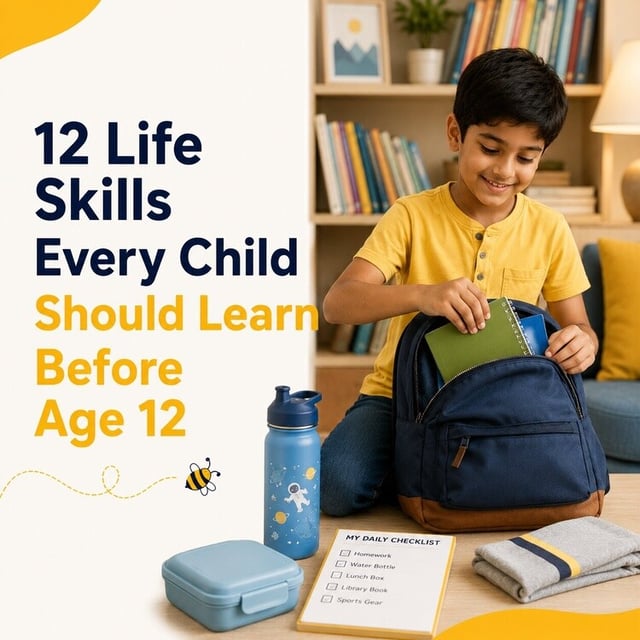
Certain practical life skills — money basics, simple cooking, basic safety, time management — genuinely benefit from being learned before adolescence, when independence expands faster than skill unless deliberately built.
By twelve, many children face expanding independence — more solo time, more responsibility, more decision-making — and the practical skills underneath that independence are best built deliberately in the years before, not assumed to appear automatically.
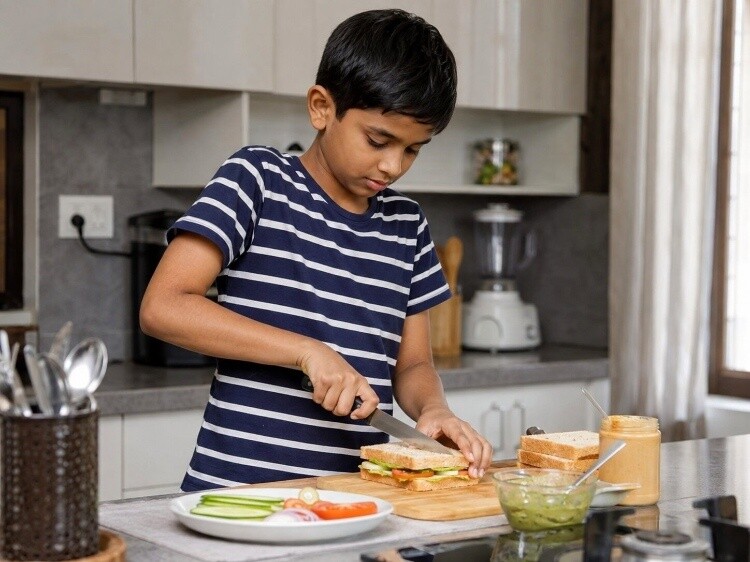
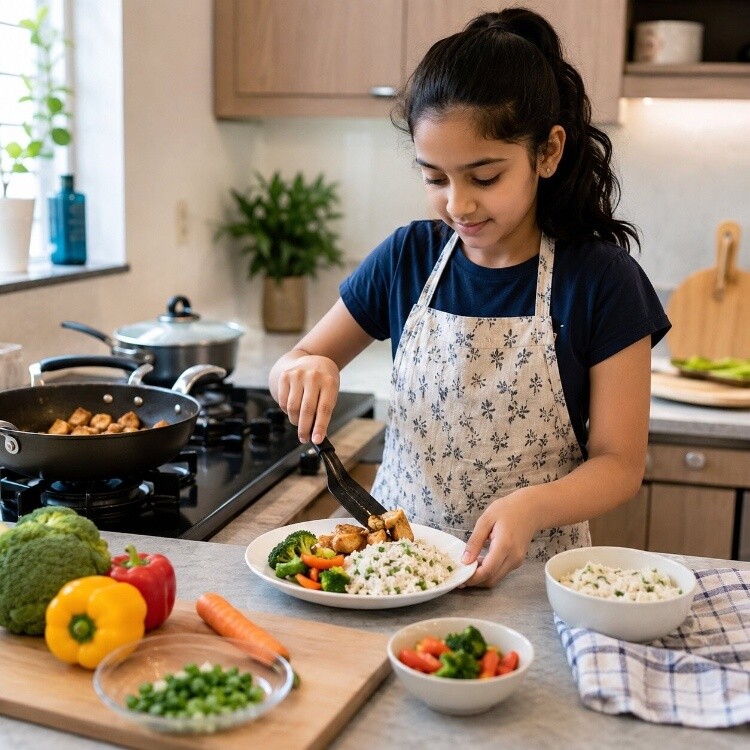
Basic cooking competence
Able to prepare at least a few simple, complete foods safely and independently.
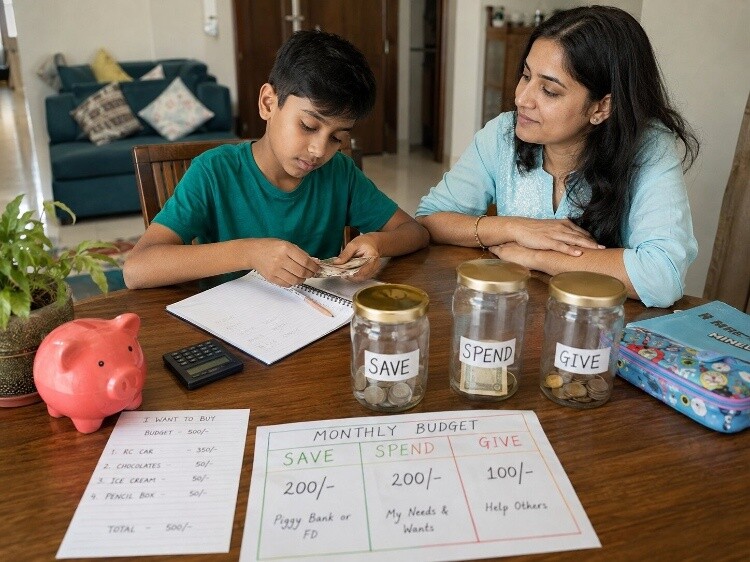
Money management fundamentals
Understanding earning, saving, spending trade-offs, and basic budgeting through real (small) practice.
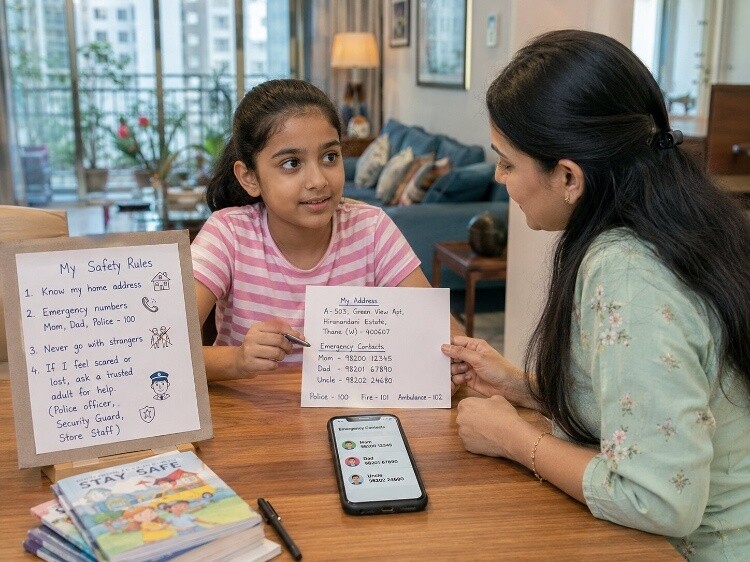
Personal safety awareness
Knowing home address, emergency contacts, basic stranger-safety principles, and what to do if lost or in trouble.
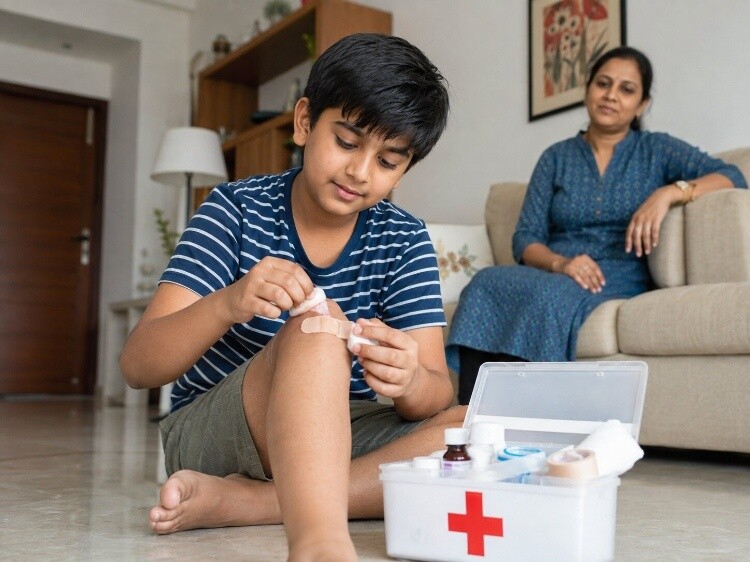
Basic first aid
Cleaning and dressing a minor wound, recognising when adult help is needed versus self-manageable.
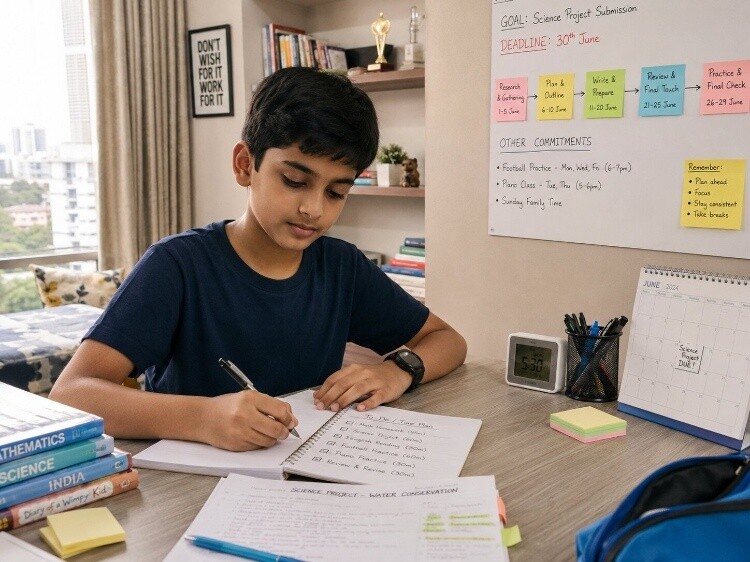
Time management
Estimating how long tasks take, planning backward from a deadline, managing multiple commitments.
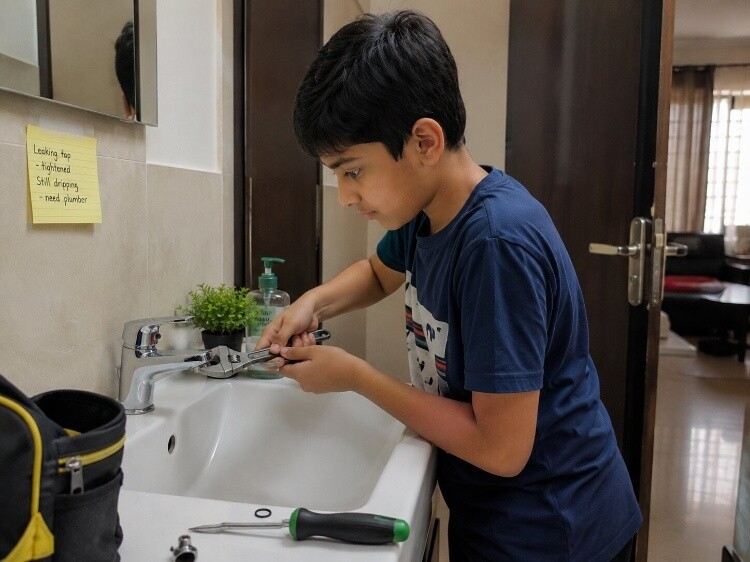
Basic household maintenance
Simple repairs, understanding how to report bigger problems, basic tool use.
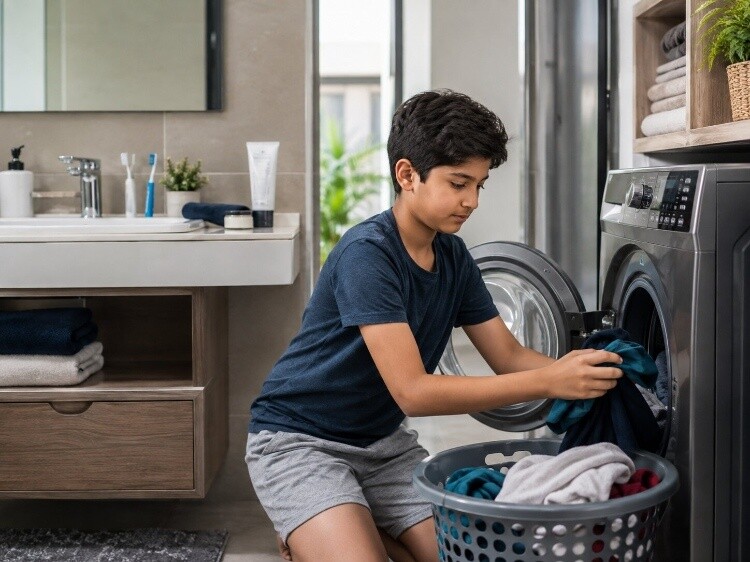
Laundry and personal care management
Full self-sufficiency in daily hygiene and at least basic clothing care.
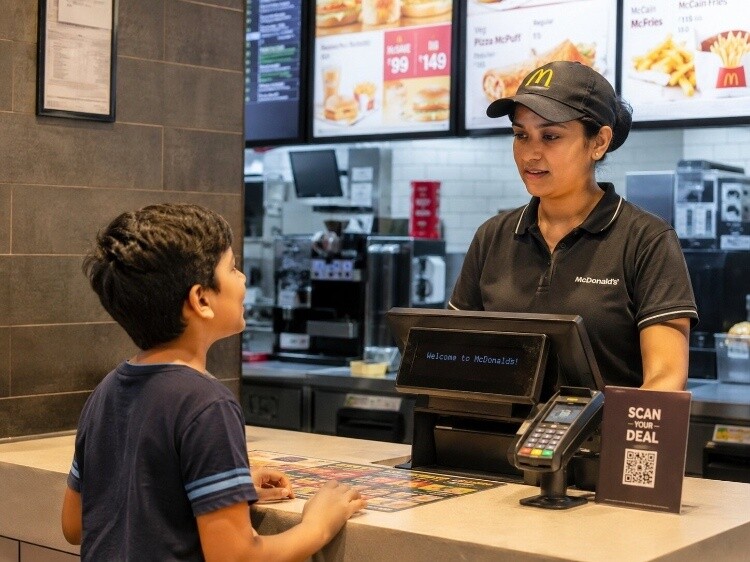
Communication with unfamiliar adults
Ordering at a restaurant, asking a shopkeeper for help, speaking clearly to a teacher or doctor.
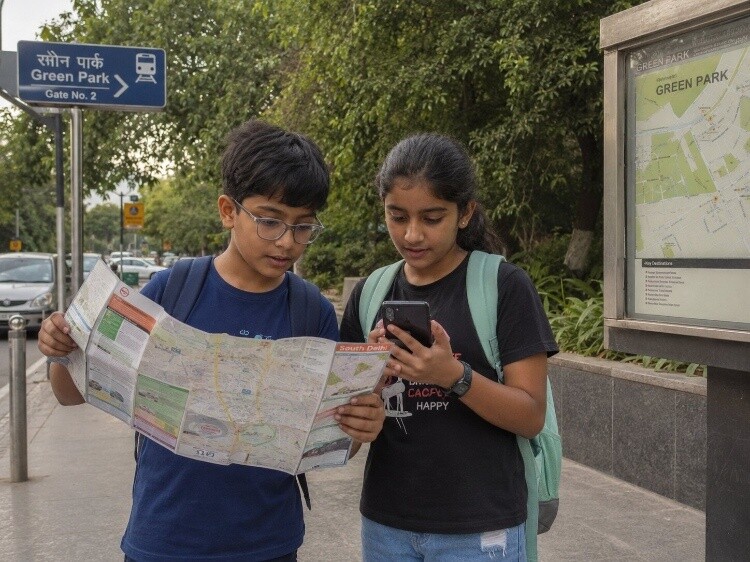
Navigation and way-finding
Reading a map (physical or digital), understanding routes, basic direction sense.
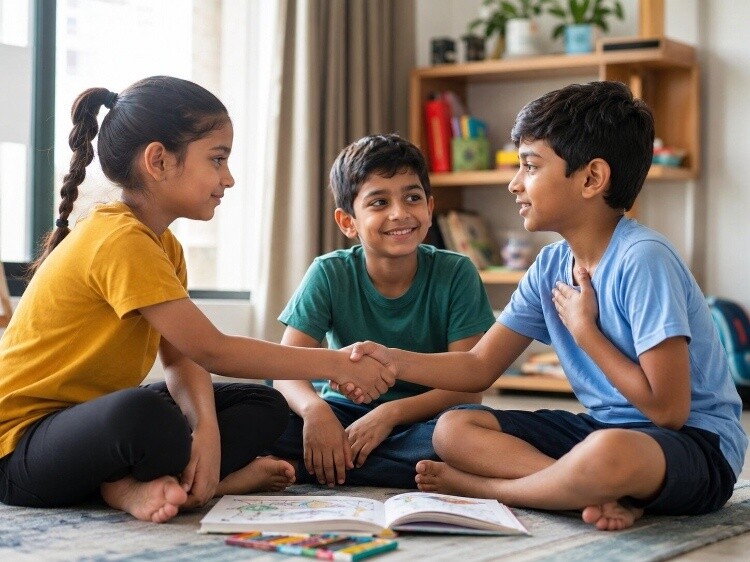
Conflict resolution
Handling disagreements with words, apologising genuinely, and repairing relationships after conflict.

Digital literacy and safety
Understanding privacy, recognising scams or inappropriate content, safe communication practices online.
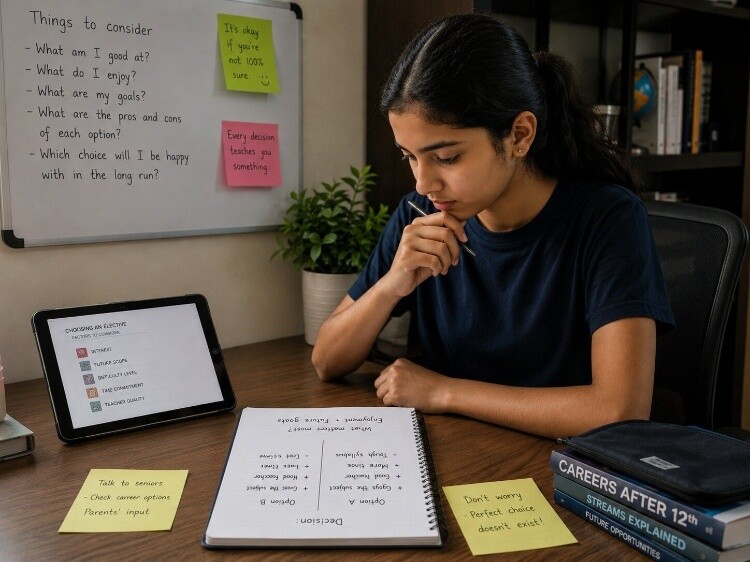
Basic decision-making under uncertainty
Weighing options, understanding that not every decision has a clearly correct answer, tolerating some ambiguity.
Why "before 12" specifically matters
Adolescence brings a genuine expansion in independence — more unsupervised time, more social complexity, sometimes personal device ownership — and skills not yet built by then get built (if at all) under higher-stakes, less-supervised conditions than the pre-teen years offer.
The domestic-help complication, again
In households with substantial help, children can reach twelve without ever having done many of these tasks — the convenience quietly costs the competence. Deliberately preserved child-only tasks, regardless of available help, close this gap.
Building without overwhelming
Not all twelve skills need mastery by any specific age simultaneously — a gradual, ongoing introduction across the 6-12 years, revisited and deepened periodically, serves better than a checklist rushed at eleven-and-a-half.