
 Summer Camp
 Reading Writing
 Book Club
 Calligraphy
 Creative Writing
 English Speaking
 Handwriting
 Library
 Phonics
 Story Telling
 Art and Craft
 Clay Moulding
 Drawing
 Painting
 Pottery
 Sketching
 Drama Theatre
 Personality Development
 Public Speaking
 Languages
 Arabic
 Chinese
 French
 German
 Hindi
Hindi Italian
 Japanese
 Korean
 Persian
 Portuguese
 Russian
 Spanish
 Turkish
 Uzbek
Uzbek Sports and Fitness
 Aerobics
 Athletics
 Badminton
 Basket Ball
 Chess
Chess Cricket
 Football
 Golf
Golf Gymnastics
 Hulahoop
 Karate
 Martial Arts
 Pickleball
 Rugby
Rugby Skating
 Swimming
 Taekwondo
 Tennis
 Volleyball
 Yoga
Yoga Zumba
Zumba Tuition Classes
 Accounts
 Biology
 Business Studies
 CBSE
CBSE Chemistry
 Commerce
 Economics
 Homework Classes
 IB Board
 IGCSE
IGCSE Mathematics
 Physics
 Psychology
 Science
 Social Studies
 Vedic Maths
 Dance and Music
 Ballet
 Bhangra
 Bharatnatyam
 Bollywood Dance
 Casio
Casio Dandiya and Garba
 Drums
Drums Flute
Flute Guitar
 Harmonium
 Hip Hop
 Jazz
Jazz Kathak
 Keyboard
 Piano
Piano Salsa
Salsa Shlokas
 Sitar
Sitar Tabla
Tabla Ukulele
 Violin
 Vocal
Vocal Play School
 STEM
STEM
 Abacus
 App Development
 Artificial intelligence
 Basic Computer Courses
 Canva
Canva Coding
 Graphic Design
 Lego
Lego Python
 Robotics
 Rubiks Cube
 Scrabble
 Scratch
 Website Development
 Winter Camp
 Workshops
 Diwali Workshop
 Easter
 Ganesh Mahotsav
 Guru Nanak Jayanti Workshop
 Holi
Holi Independence day workshop
 Janmashtami Workshop
 Mothers day
 Navratri Workshops
 Raksha Bandhan workshop
 Ramayana Workshop
 Spring Camp
 Valentines Day Workshops
 Festive
 Daycare
 Cooking and Food
 Spring Camp
 Contests and Competitions
 Special abled
 Republic Day Workshops
 Mela
Mela
 Mela
Mela Cognitive Development
 Mother-Toddler Program
-Jul-03-2026-06-59-25-1926-AM.webp?width=30&height=30&name=Smart_20Skills_20(2)-Jul-03-2026-06-59-25-1926-AM.webp) Smart Skills
Smart Skills
 Financial Literacy
 Mental Wellbeing
 Meditation
 Reiki
Reiki




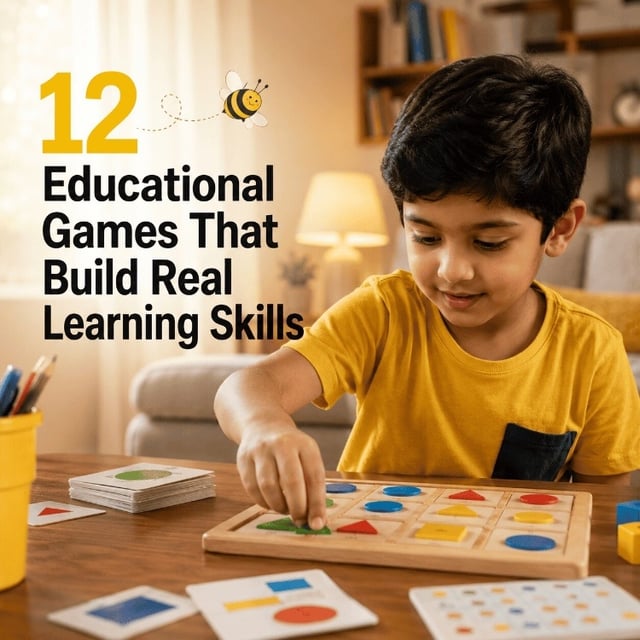
Not all "educational" games are created equal — some build genuine thinking skills, while others are just entertainment with a learning label attached. These 12 games (a mix of screen-free and screen-based) are chosen specifically for real cognitive benefit.
The "educational games" category is crowded, and not every game living under that label actually builds meaningful skills. Some genuinely stretch memory, logic, and problem-solving; others are essentially standard games with a subject-themed skin. Here's a curated list focused on real cognitive value.
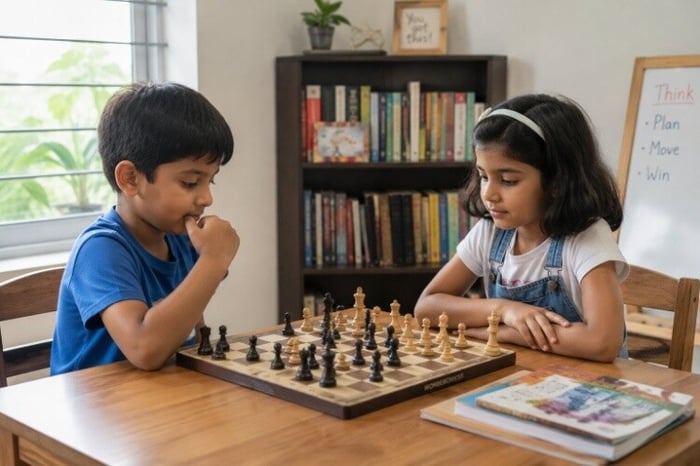
Builds planning, pattern recognition, and consequence-thinking like almost no other game — genuinely valuable from around age 6-7 onward, and widely accessible across India through both classes and simple home learning.
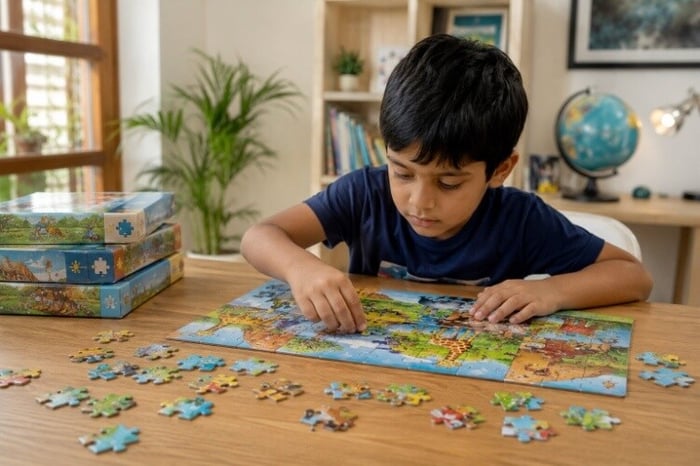
Builds spatial reasoning and patience; increasing piece count as a child grows keeps the challenge appropriately calibrated.
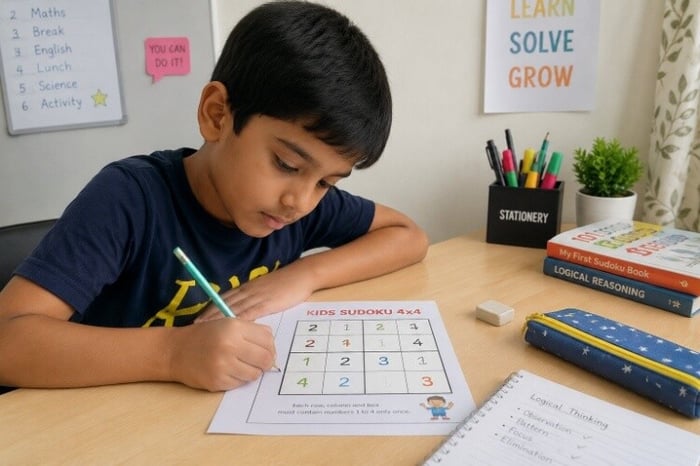
Builds logical deduction skills well before formal algebra, using number placement rather than calculation.
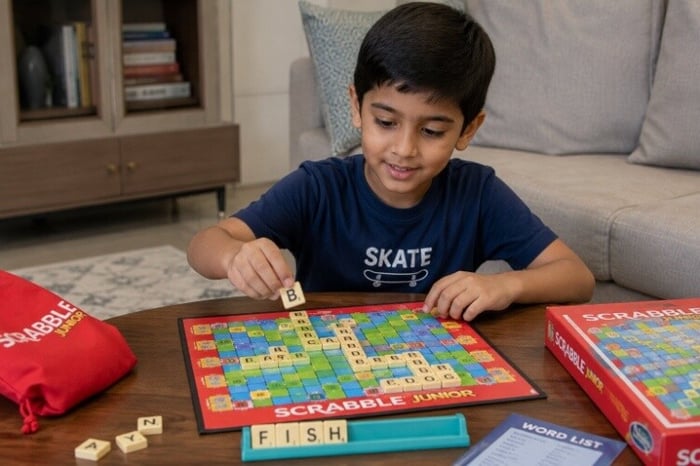
Builds vocabulary and spelling recognition in a genuinely fun, competitive format most kids enjoy far more than spelling worksheets.
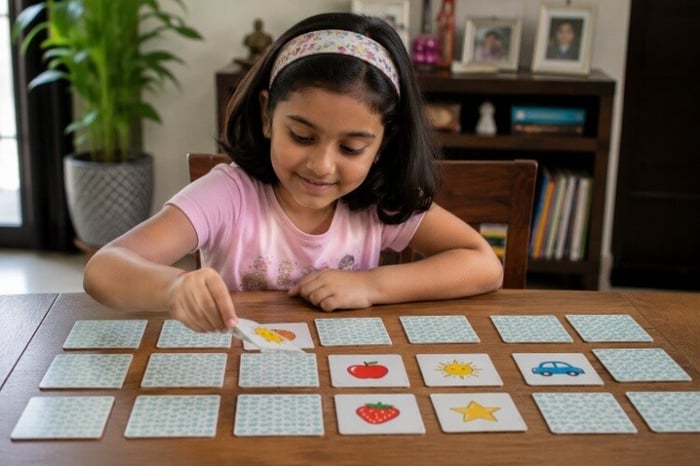
Simple but genuinely effective for building working memory — can be homemade with any pair-matching picture cards.
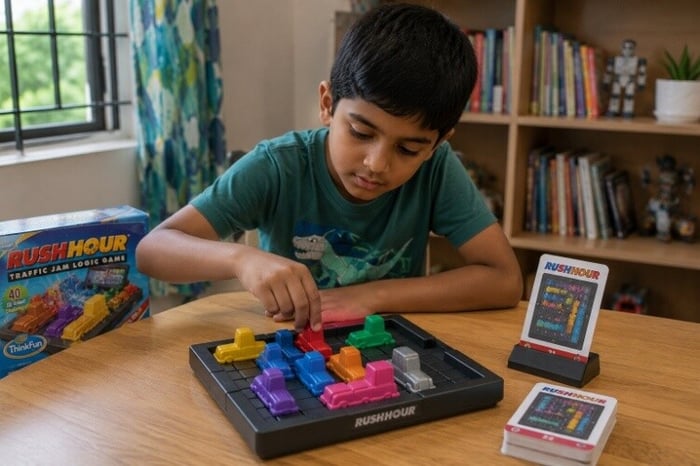
Builds sequential problem-solving and spatial planning through a genuinely engaging physical puzzle format.
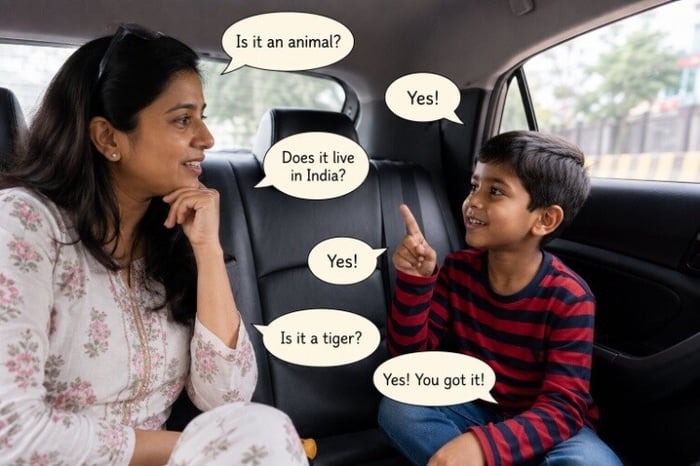
Builds categorisation and deductive reasoning through a simple, no-materials-needed game playable anywhere, including car rides.
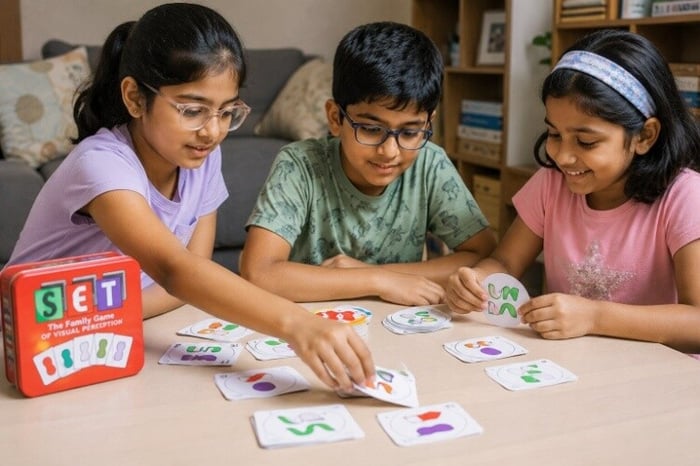
Builds visual pattern recognition and quick logical thinking — less well-known in India but genuinely excellent for the skill it builds.
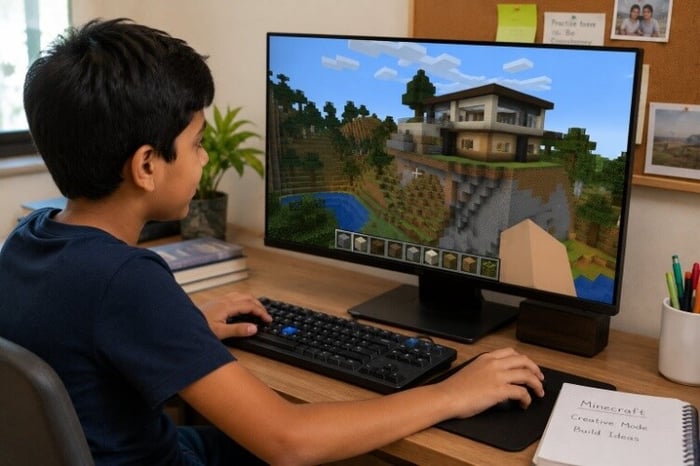
Builds spatial planning and genuine creative problem-solving; the key is creative or limited survival mode rather than unlimited open-ended play.
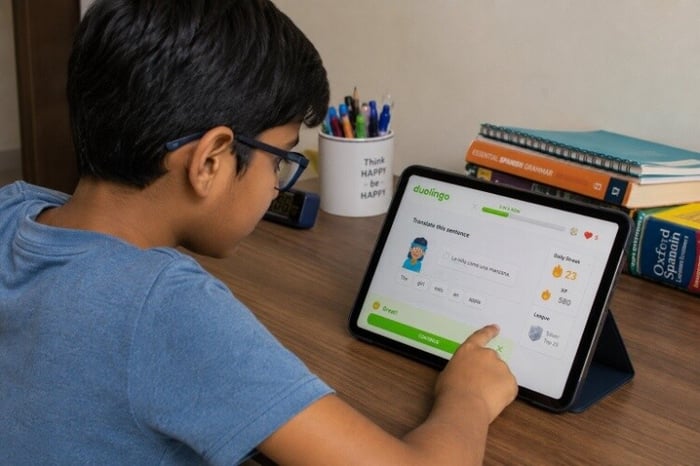
Genuinely effective for building a second or third language habit in short daily bursts, with built-in motivation through streaks and small rewards.
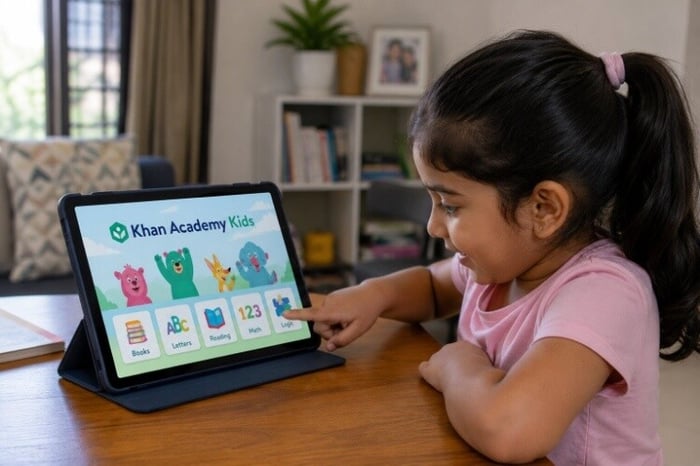
Well-regarded for genuinely aligning content to real learning progression rather than just entertainment, with minimal advertising or manipulative engagement tactics.
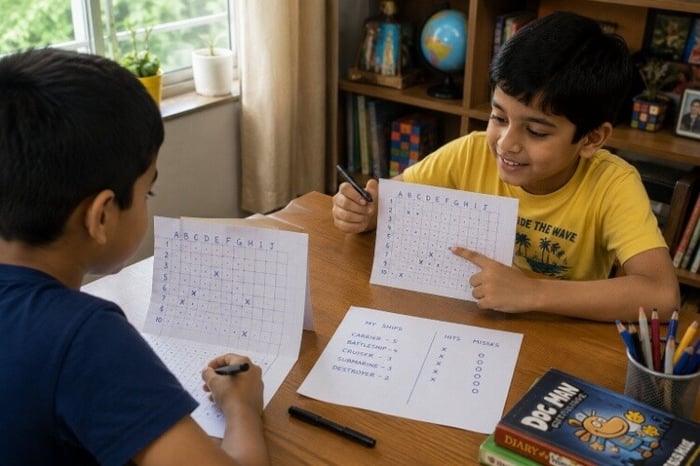
Builds coordinate and spatial reasoning skills in a simple, replayable format using just graph paper.
How to tell a genuinely educational game from a labelled one
A useful test: does the game require your child to think, plan, or problem-solve to succeed, or does it just reward fast reactions or repetitive tapping with an educational theme layered on top? Games in the second category aren't necessarily bad, but they shouldn't be mistaken for meaningful learning time.
Balancing screen-based and screen-free options
A genuinely useful mix includes both — chess, puzzles, and card games build patience and offline social skills, while well-chosen apps can build specific skills (language, math fluency) efficiently in short bursts. Neither category needs to dominate; balance matters more than eliminating either entirely.
Making these part of a regular routine
Even 20-30 minutes of genuinely engaging game time, a few times a week, tends to build more lasting cognitive skill than significantly longer stretches of passive screen time. For families managing school and tuition schedules already, weekend game time can be a genuinely valuable, low-pressure addition rather than another obligation.