
 Summer Camp
 Reading Writing
 Book Club
 Calligraphy
 Creative Writing
 English Speaking
 Handwriting
 Library
 Phonics
 Story Telling
 Art and Craft
 Clay Moulding
 Drawing
 Painting
 Pottery
 Sketching
 Drama Theatre
 Personality Development
 Public Speaking
 Languages
 Arabic
 Chinese
 French
 German
 Hindi
Hindi Italian
 Japanese
 Korean
 Persian
 Portuguese
 Russian
 Spanish
 Turkish
 Uzbek
Uzbek Sports and Fitness
 Aerobics
 Athletics
 Badminton
 Basket Ball
 Chess
Chess Cricket
 Football
 Golf
Golf Gymnastics
 Hulahoop
 Karate
 Martial Arts
 Pickleball
 Rugby
Rugby Skating
 Swimming
 Taekwondo
 Tennis
 Volleyball
 Yoga
Yoga Zumba
Zumba Tuition Classes
 Accounts
 Biology
 Business Studies
 CBSE
CBSE Chemistry
 Commerce
 Economics
 Homework Classes
 IB Board
 IGCSE
IGCSE Mathematics
 Physics
 Psychology
 Science
 Social Studies
 Vedic Maths
 Dance and Music
 Ballet
 Bhangra
 Bharatnatyam
 Bollywood Dance
 Casio
Casio Dandiya and Garba
 Drums
Drums Flute
Flute Guitar
 Harmonium
 Hip Hop
 Jazz
Jazz Kathak
 Keyboard
 Piano
Piano Salsa
Salsa Shlokas
 Sitar
Sitar Tabla
Tabla Ukulele
 Violin
 Vocal
Vocal Play School
 STEM
STEM
 Abacus
 App Development
 Artificial intelligence
 Basic Computer Courses
 Canva
Canva Coding
 Graphic Design
 Lego
Lego Python
 Robotics
 Rubiks Cube
 Scrabble
 Scratch
 Website Development
 Winter Camp
 Workshops
 Diwali Workshop
 Easter
 Ganesh Mahotsav
 Guru Nanak Jayanti Workshop
 Holi
Holi Independence day workshop
 Janmashtami Workshop
 Mothers day
 Navratri Workshops
 Raksha Bandhan workshop
 Ramayana Workshop
 Spring Camp
 Valentines Day Workshops
 Festive
 Daycare
 Cooking and Food
 Spring Camp
 Contests and Competitions
 Special abled
 Republic Day Workshops
 Mela
Mela
 Mela
Mela Cognitive Development
 Mother-Toddler Program
-Jul-03-2026-06-59-25-1926-AM.webp?width=30&height=30&name=Smart_20Skills_20(2)-Jul-03-2026-06-59-25-1926-AM.webp) Smart Skills
Smart Skills
 Financial Literacy
 Mental Wellbeing
 Meditation
 Reiki
Reiki




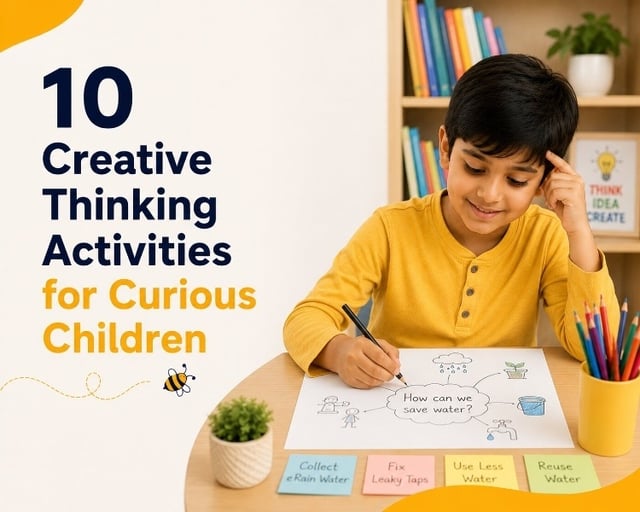
Creative thinking — generating original ideas and approaching problems flexibly — thrives in open-ended, non-judgemental activities without a single "correct" answer. These 10 activities protect and build that flexibility.
Creative thinking can quietly diminish through childhood if every activity emphasises a single correct answer — school naturally reinforces this to some degree, which makes deliberately open-ended, no-wrong-answer activities at home genuinely valuable.
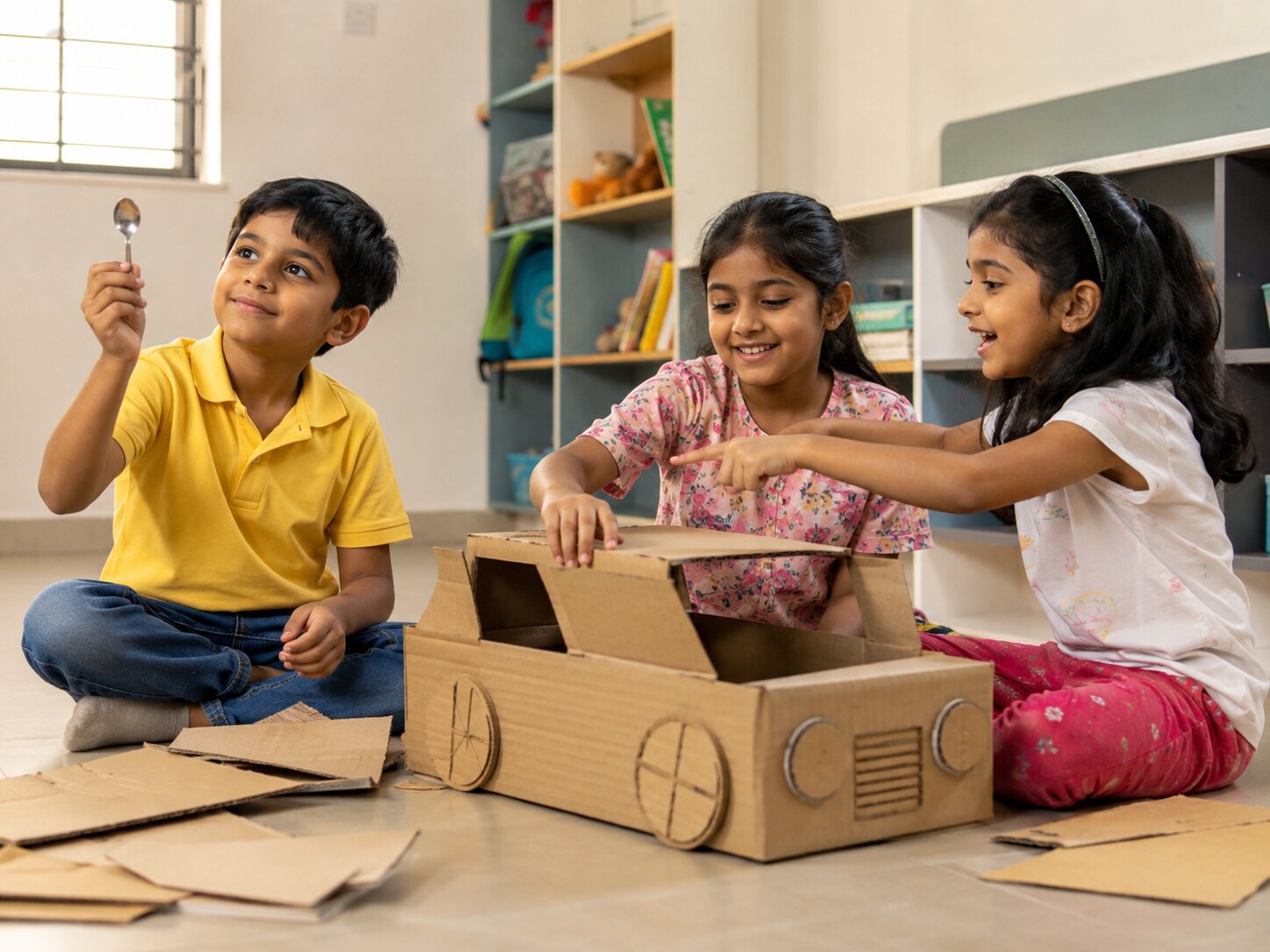
"What else could this be used for?" object reimagining
Taking an everyday object (a spoon, a cardboard box) and brainstorming unusual alternative uses builds genuinely flexible thinking.
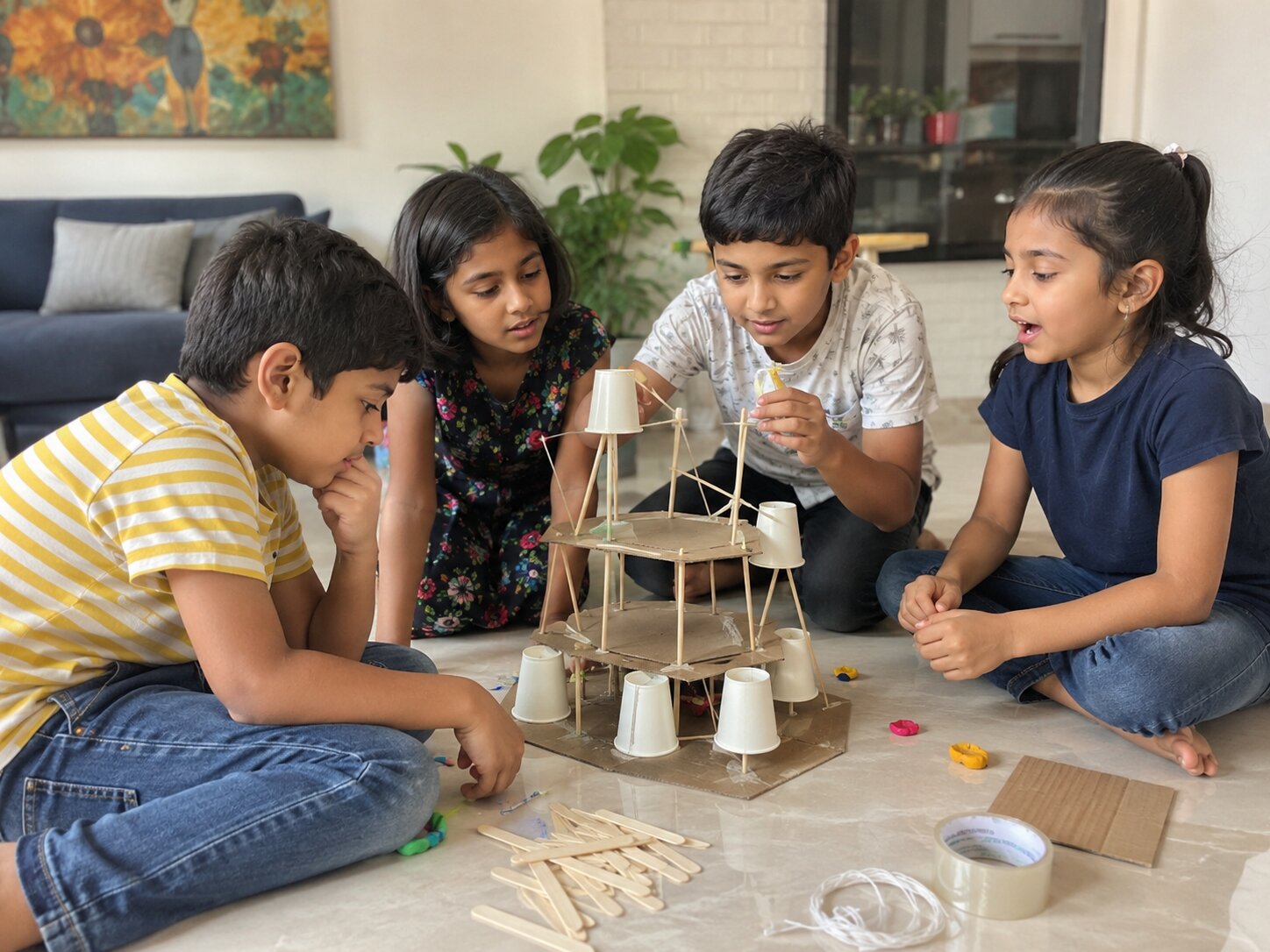
Open-ended building challenges
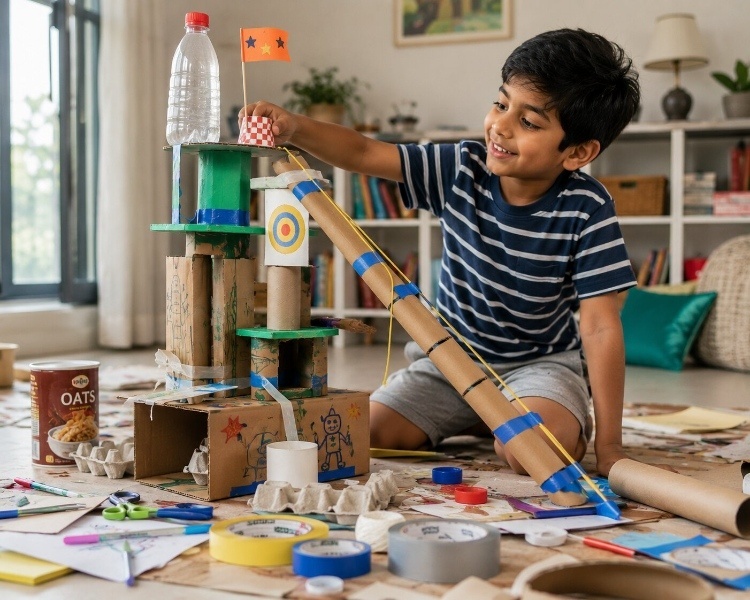
"Build something using only these five materials" without specifying what to build encourages original, unstructured problem-solving.
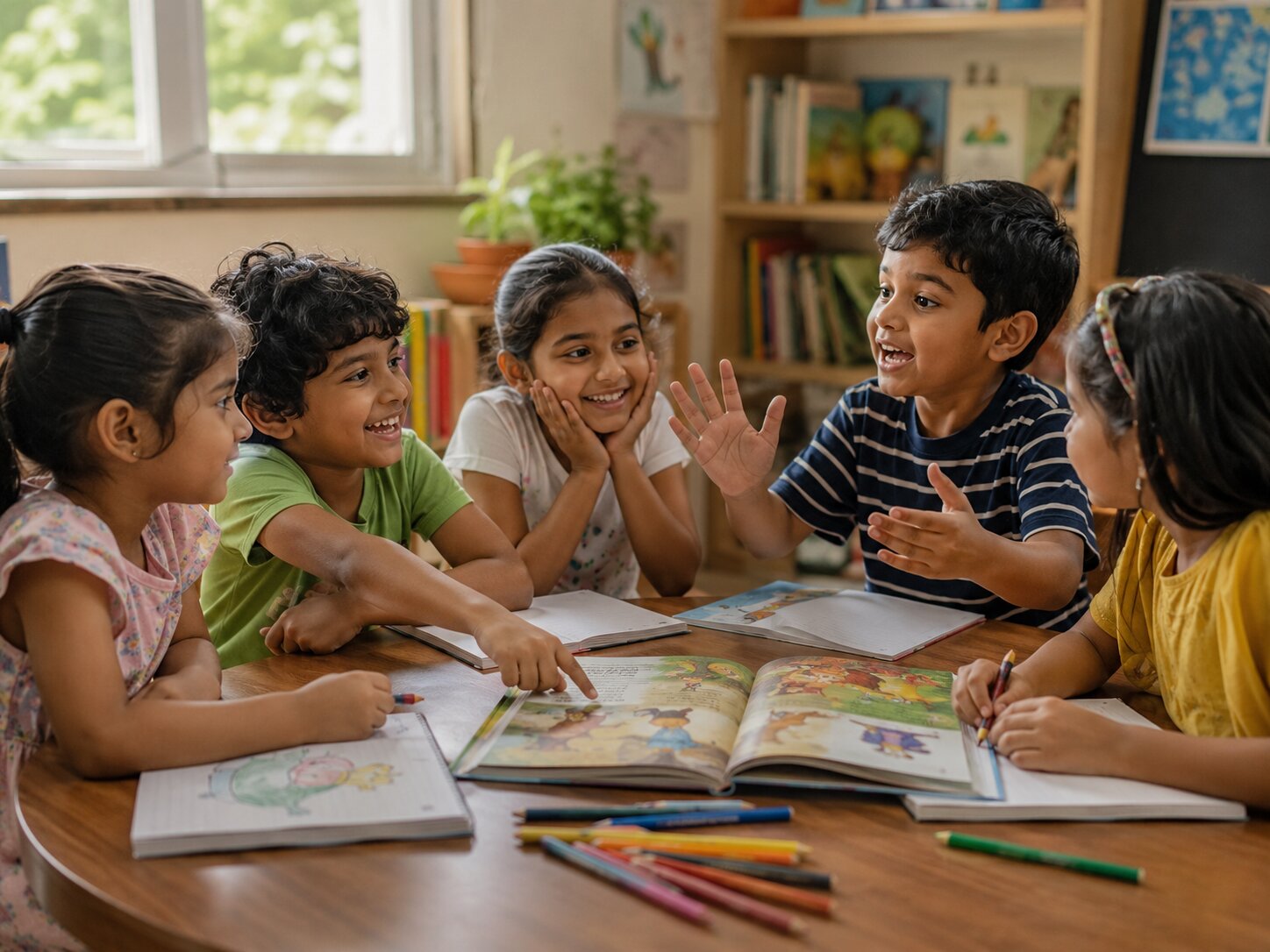
Alternative ending storytelling
Taking a familiar story and inventing a completely different ending builds creative narrative flexibility within a familiar, comfortable structure.
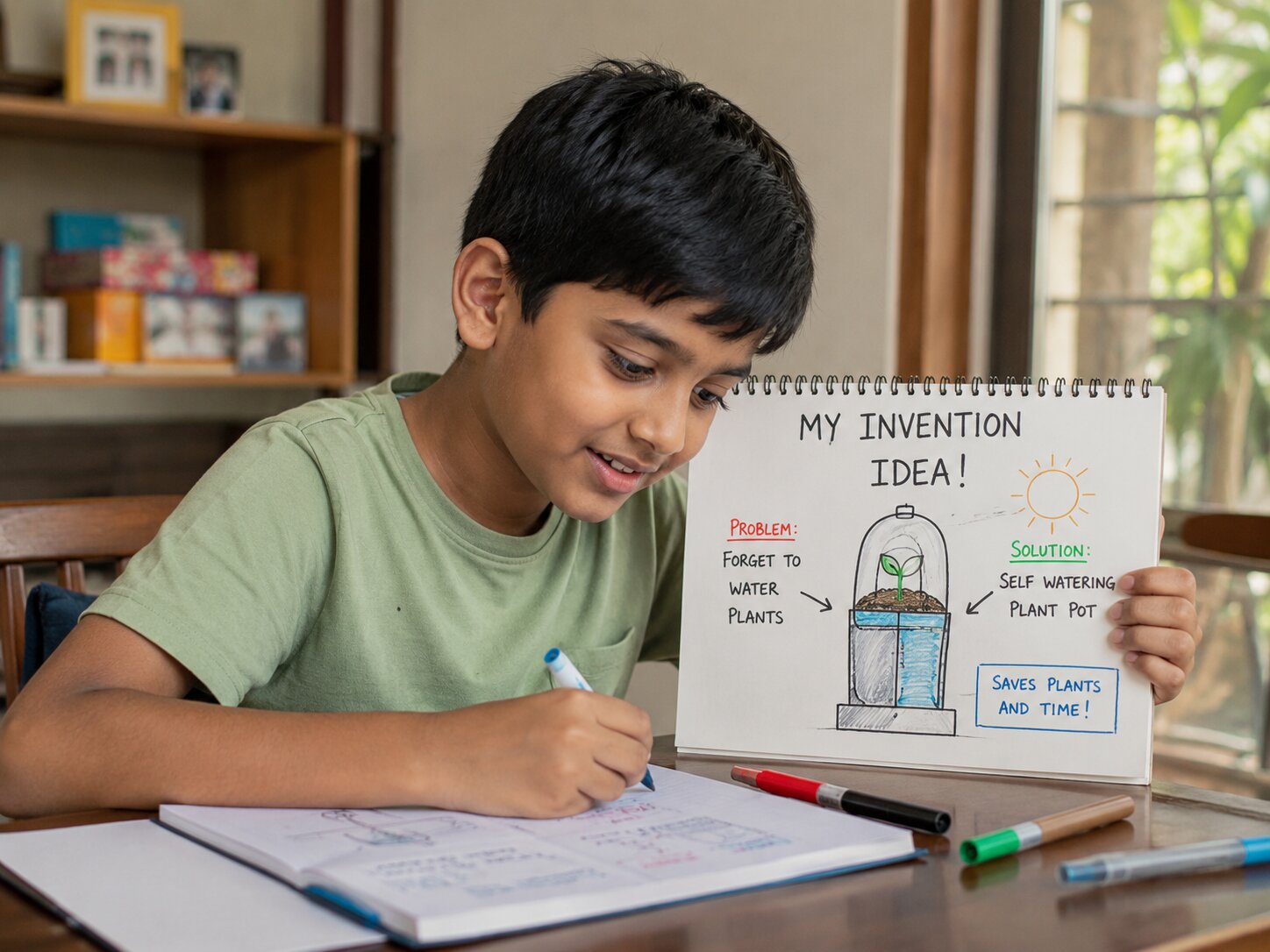
Invention brainstorming for everyday problems
"If you could invent something to solve [a small daily annoyance], what would it be?" builds genuine creative problem-solving thinking.
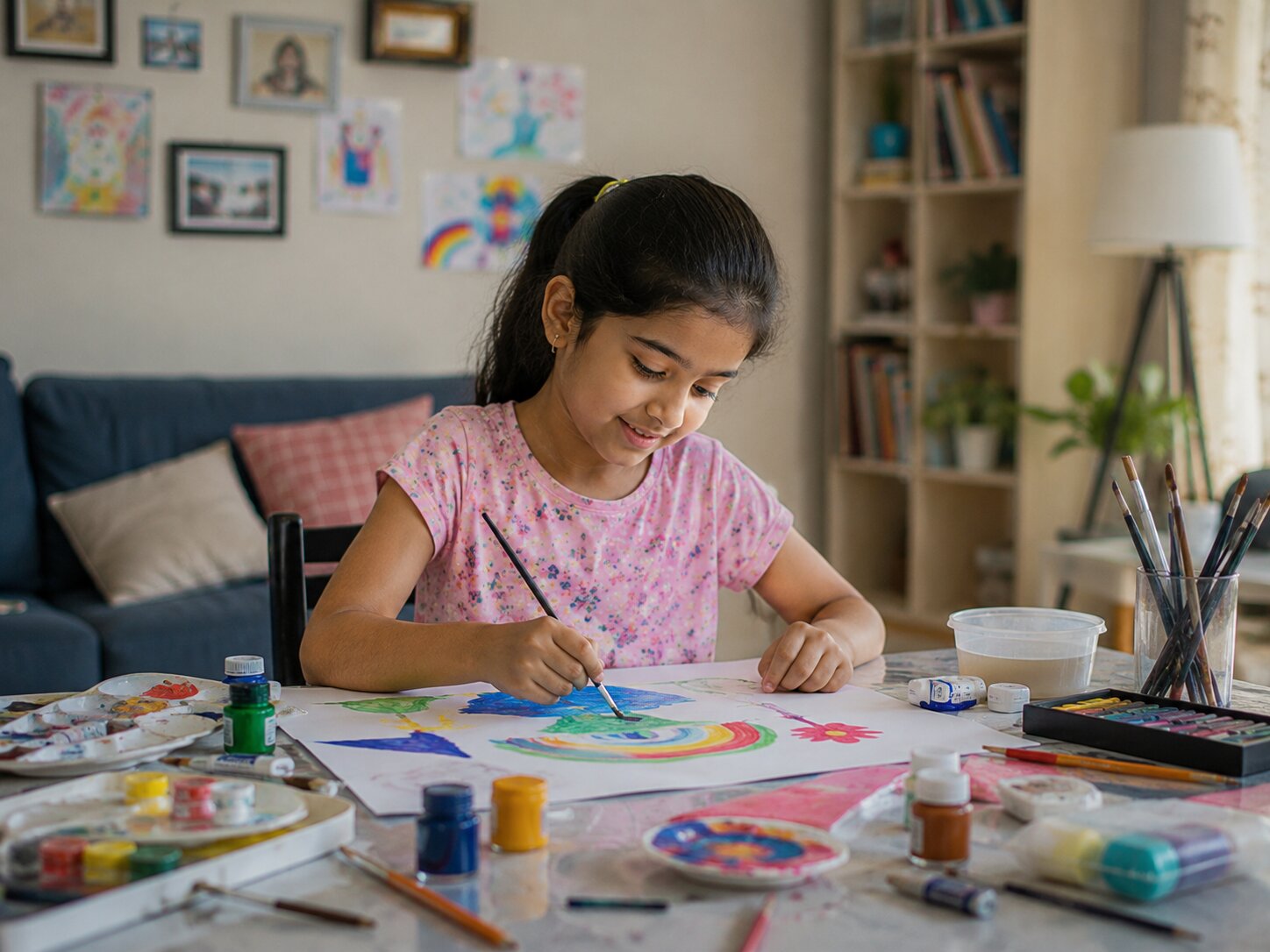
Art without instructions
Simply providing materials (paper, colours, clay) without a specific project brief allows genuinely original creative expression to emerge.
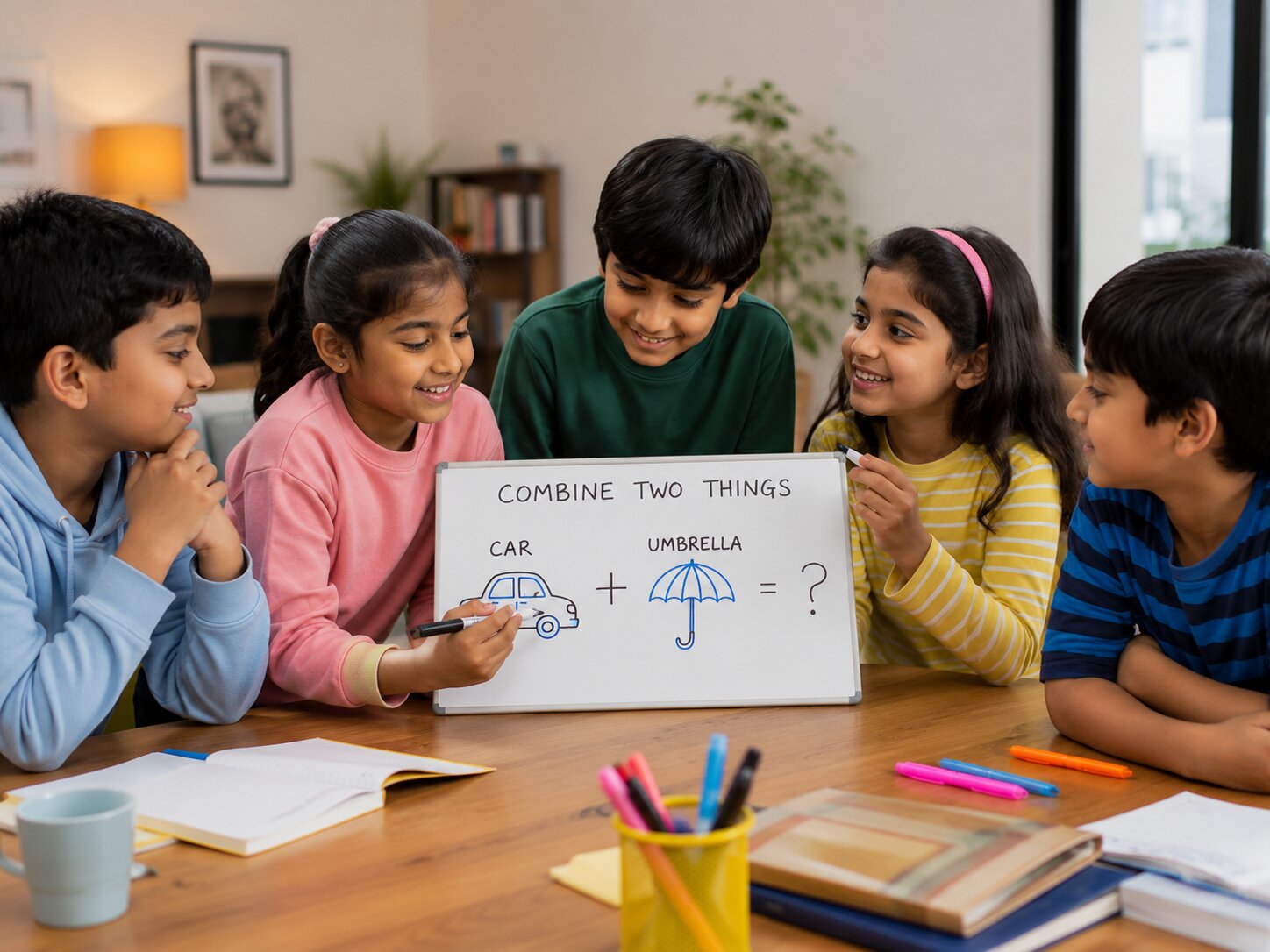
"Combine two things" creative challenges
Combining two unrelated objects or ideas (a car and an umbrella — what would that be?) builds unusual, flexible associative thinking.
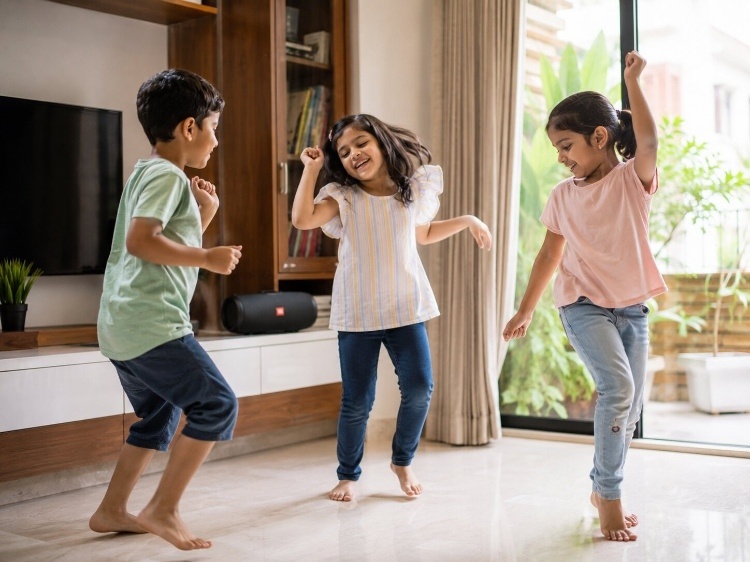
Music-based creative movement
Moving however a piece of music "feels" to a child, without choreographed instruction, builds creative physical expression.
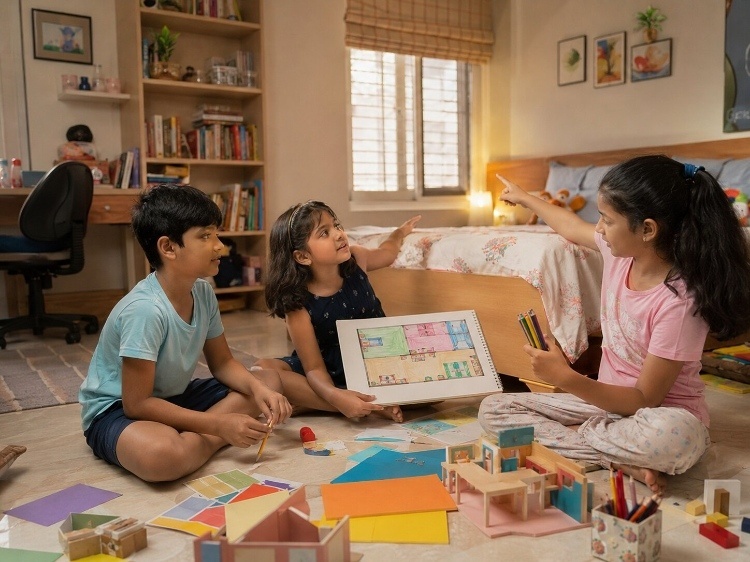
Redesigning a familiar space
"If you could redesign your room, what would you change?" builds spatial and practical creative thinking grounded in something genuinely familiar.
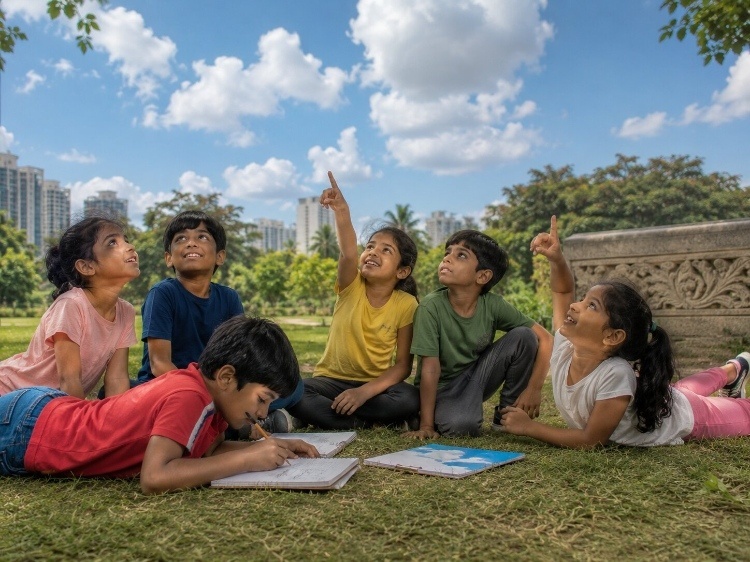
Cloud and pattern shape spotting
A classic activity — finding shapes and images in clouds, wood grain patterns, or textured surfaces — builds visual creative interpretation.
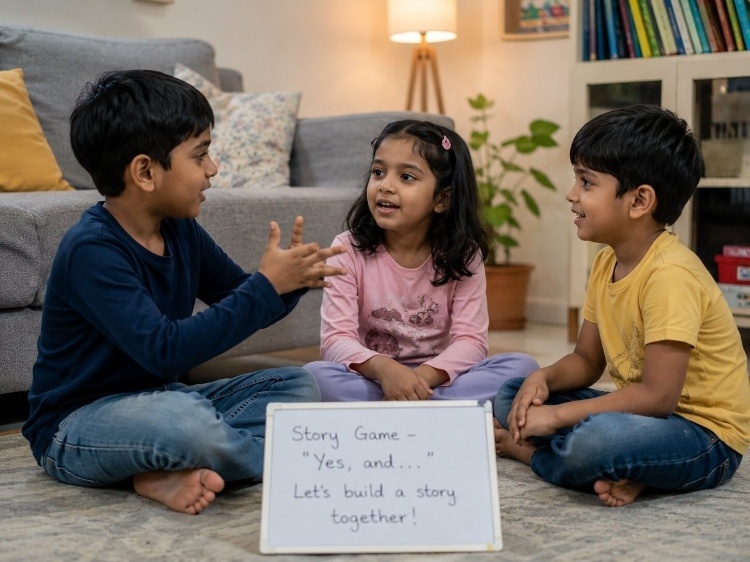
"Yes, and..." improvisation games
A simple game where each person builds on the previous idea with "yes, and..." rather than shutting it down builds collaborative creative thinking and openness to unusual ideas.
Why "no wrong answer" activities matter alongside structured learning
Most of a child's day, particularly in school, involves activities with clear correct and incorrect answers — a genuinely valuable and necessary part of learning, but one that benefits from balance. Regular exposure to open-ended, no-wrong-answer creative activities protects and nurtures the flexible thinking that rigid correctness-focused tasks don't build on their own.
Resisting the urge to "improve" a child's creative work
A common instinct is to gently redirect a child's unusual creative choice toward something more conventional or "correct" — resisting this urge, and instead genuinely engaging with a child's original idea as presented, reinforces that creative thinking itself is valued, not just creativity that matches adult expectations.
Building creative confidence over creative "talent"
The goal of these activities isn't necessarily producing impressive creative output — it's building a child's underlying confidence in generating and expressing original ideas, a skill valuable well beyond any specific artistic or creative pursuit, extending into problem-solving across every area of life.