
 Summer Camp
 Reading Writing
 Book Club
 Calligraphy
 Creative Writing
 English Speaking
 Handwriting
 Library
 Phonics
 Story Telling
 Art and Craft
 Clay Moulding
 Drawing
 Painting
 Pottery
 Sketching
 Drama Theatre
 Personality Development
 Public Speaking
 Languages
 Arabic
 Chinese
 French
 German
 Hindi
Hindi Italian
 Japanese
 Korean
 Persian
 Portuguese
 Russian
 Spanish
 Turkish
 Uzbek
Uzbek Sports and Fitness
 Aerobics
 Athletics
 Badminton
 Basket Ball
 Chess
Chess Cricket
 Football
 Golf
Golf Gymnastics
 Hulahoop
 Karate
 Martial Arts
 Pickleball
 Rugby
Rugby Skating
 Swimming
 Taekwondo
 Tennis
 Volleyball
 Yoga
Yoga Zumba
Zumba Tuition Classes
 Accounts
 Biology
 Business Studies
 CBSE
CBSE Chemistry
 Commerce
 Economics
 Homework Classes
 IB Board
 IGCSE
IGCSE Mathematics
 Physics
 Psychology
 Science
 Social Studies
 Vedic Maths
 Dance and Music
 Ballet
 Bhangra
 Bharatnatyam
 Bollywood Dance
 Casio
Casio Dandiya and Garba
 Drums
Drums Flute
Flute Guitar
 Harmonium
 Hip Hop
 Jazz
Jazz Kathak
 Keyboard
 Piano
Piano Salsa
Salsa Shlokas
 Sitar
Sitar Tabla
Tabla Ukulele
 Violin
 Vocal
Vocal Play School
 STEM
STEM
 Abacus
 App Development
 Artificial intelligence
 Basic Computer Courses
 Canva
Canva Coding
 Graphic Design
 Lego
Lego Python
 Robotics
 Rubiks Cube
 Scrabble
 Scratch
 Website Development
 Winter Camp
 Workshops
 Diwali Workshop
 Easter
 Ganesh Mahotsav
 Guru Nanak Jayanti Workshop
 Holi
Holi Independence day workshop
 Janmashtami Workshop
 Mothers day
 Navratri Workshops
 Raksha Bandhan workshop
 Ramayana Workshop
 Spring Camp
 Valentines Day Workshops
 Festive
 Daycare
 Cooking and Food
 Spring Camp
 Contests and Competitions
 Special abled
 Republic Day Workshops
 Mela
Mela
 Mela
Mela Cognitive Development
 Mother-Toddler Program
-Jul-03-2026-06-59-25-1926-AM.webp?width=30&height=30&name=Smart_20Skills_20(2)-Jul-03-2026-06-59-25-1926-AM.webp) Smart Skills
Smart Skills
 Financial Literacy
 Mental Wellbeing
 Meditation
 Reiki
Reiki




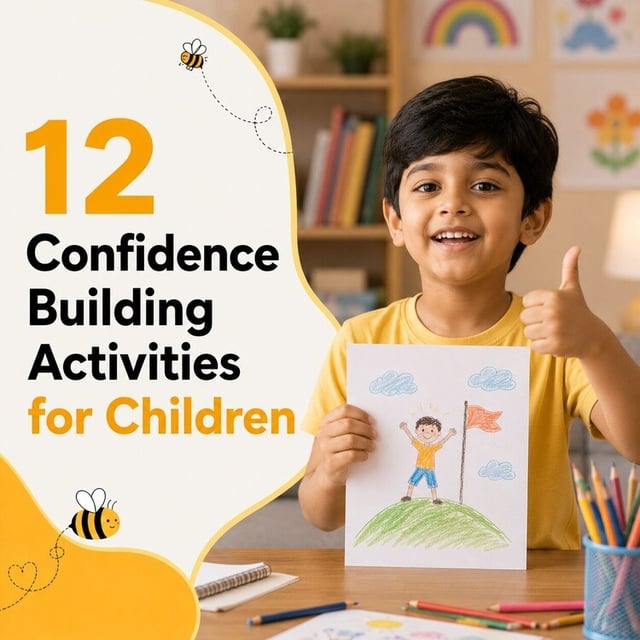
Genuine confidence comes from a child's accumulated experience of trying, struggling, and succeeding — not from constant praise alone. These 12 activities build authentic, resilient confidence rather than fragile, performance-dependent self-esteem.
Confidence is sometimes misunderstood as something built primarily through praise and encouragement, but genuine, lasting confidence actually develops through a child's own accumulated experience of attempting challenges, sometimes failing, and gradually improving — these activities support that authentic process.
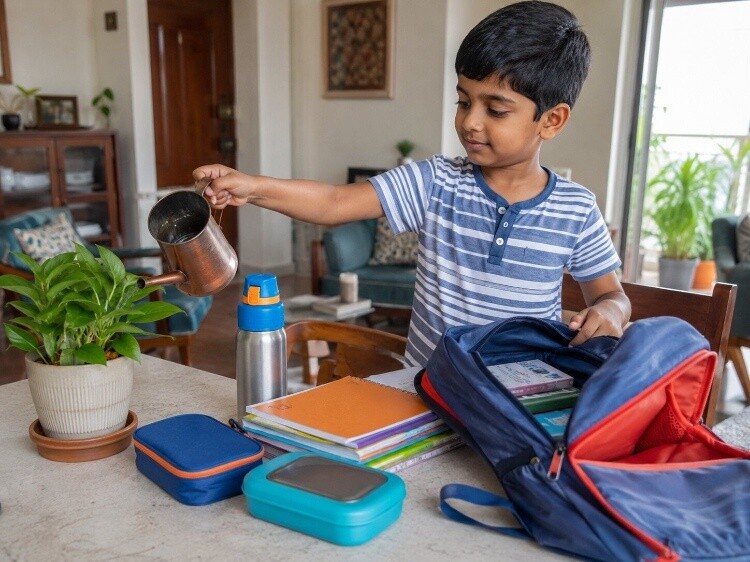
Age-appropriate independent responsibilities
Giving a child genuine, meaningful responsibilities (packing their own school bag, caring for a plant) builds confidence through real competence, not just praise.
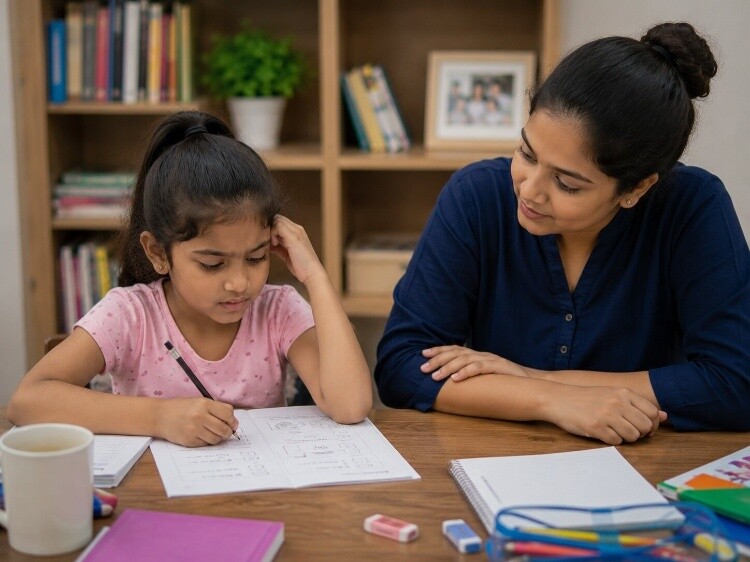
Allowing productive struggle before helping
Resisting the urge to immediately solve a child's problem or difficulty, giving them space to attempt it themselves first, builds genuine self-efficacy.
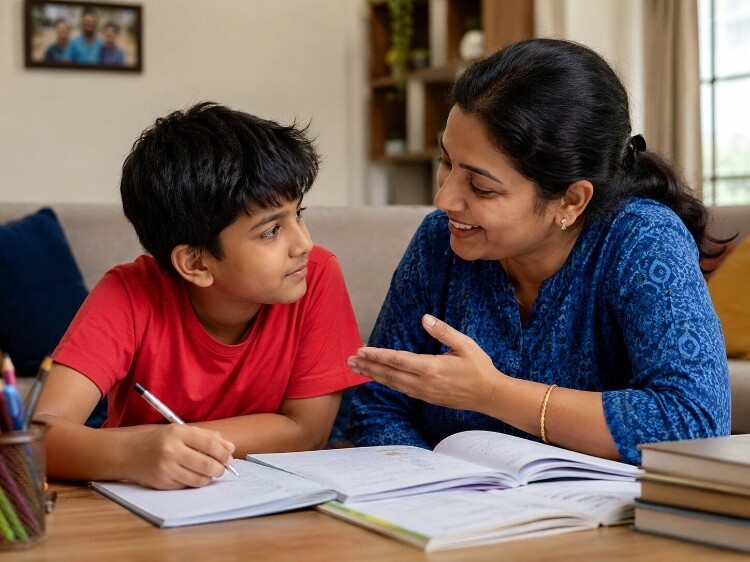
Celebrating effort and process over outcome
Consistently praising the specific effort and strategy a child used ("you kept trying different approaches") rather than only praising success, builds resilient confidence not dependent on always winning or succeeding.
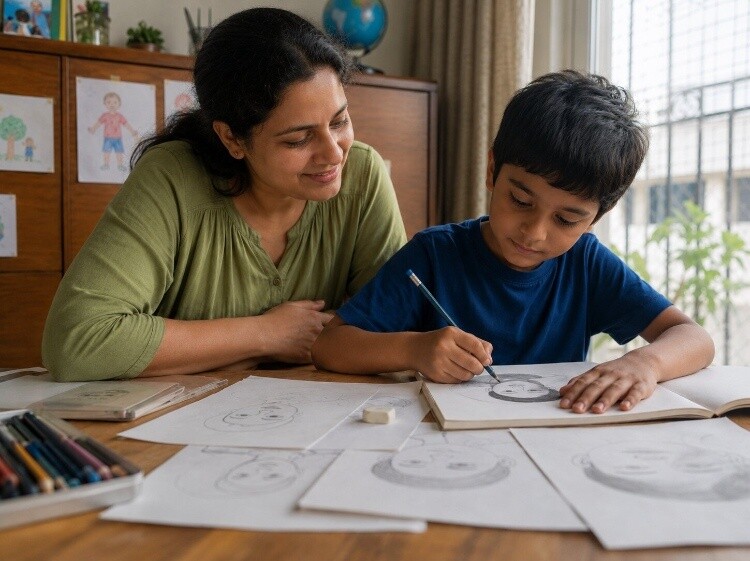
Encouraging skill mastery through practice, not talent framing
Framing improvement as the result of practice and effort, rather than fixed "talent," helps children build confidence that persists through inevitable setbacks.
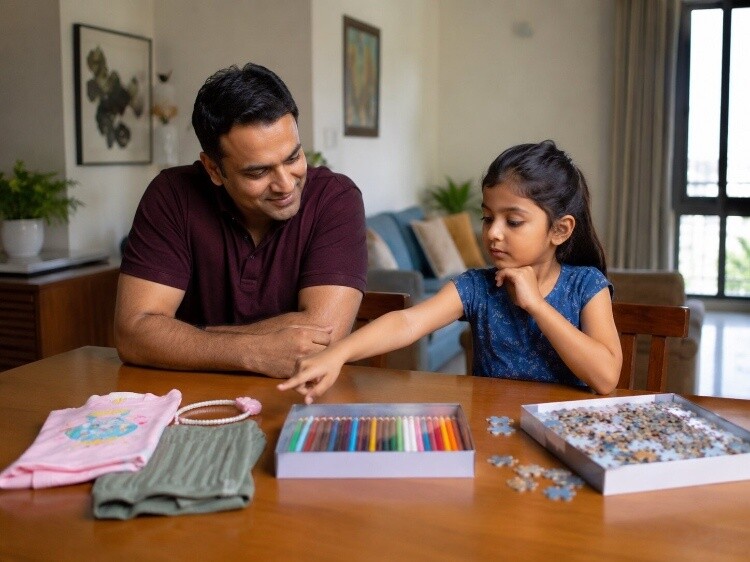
Allowing genuine choice and decision-making, age-appropriately
Letting a child make real decisions (what to wear, which activity to choose) within reasonable limits builds confidence in their own judgement.
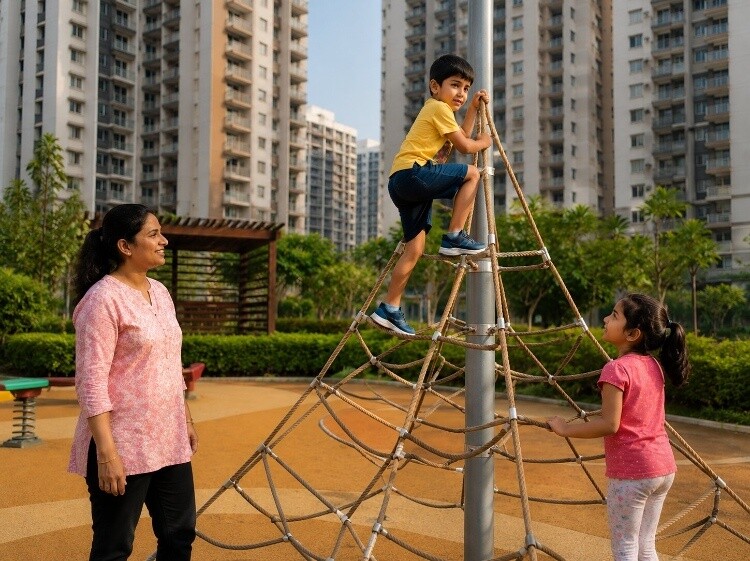
Providing a "yes" environment for reasonable risks
Allowing age-appropriate physical or social risks (climbing slightly higher, trying a new activity) rather than constant "be careful" caution builds confidence through genuine, supervised experience.
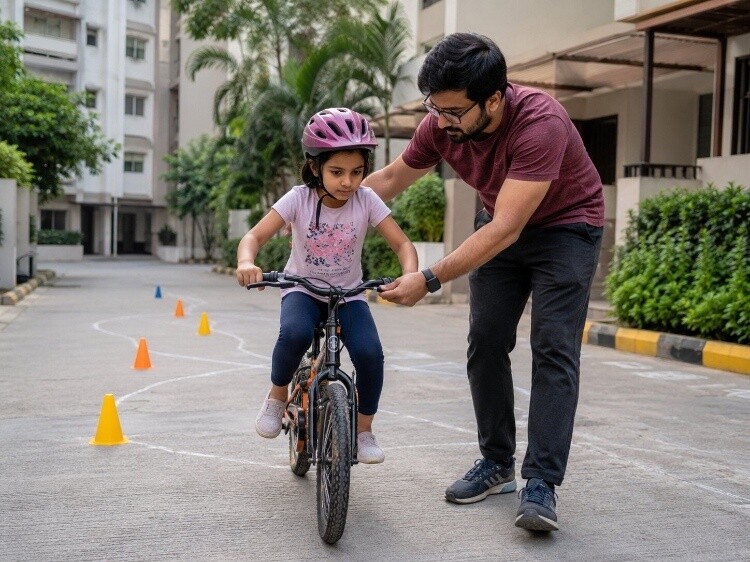
Teaching specific skills thoroughly, not just generally encouraging
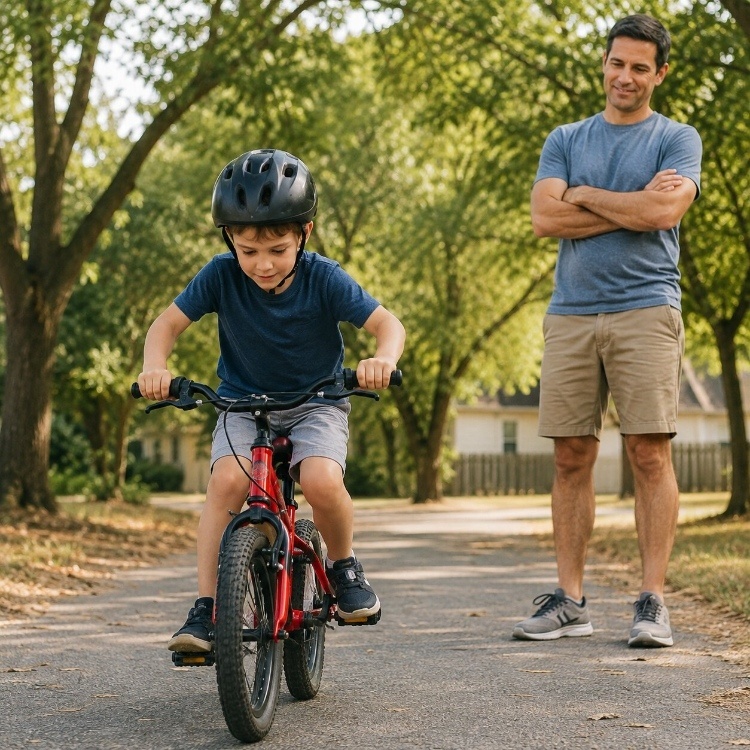
A child who's genuinely, competently taught a skill (swimming, cycling, a craft) through proper instruction builds far more durable confidence than one who's simply told "you can do it" without actual skill development.
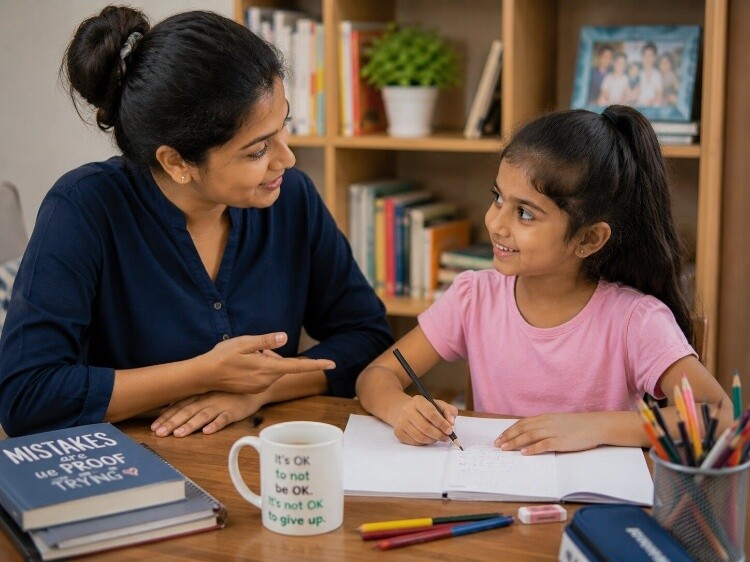
Normalising mistakes as part of learning, openly
Sharing your own mistakes and how you handled them models that errors are a normal part of growth, not something to fear or hide.
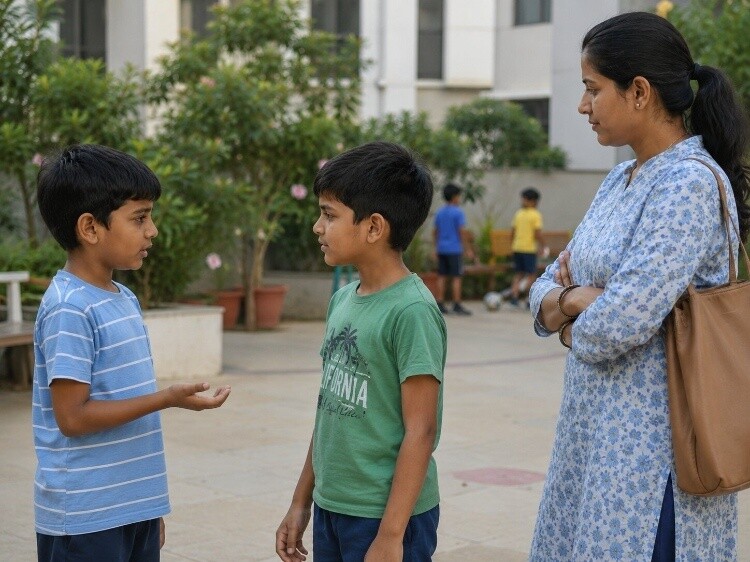
Avoiding excessive rescuing during minor social conflicts
Allowing a child to navigate small peer disagreements themselves (with guidance available if truly needed) builds confidence in their own social capability.
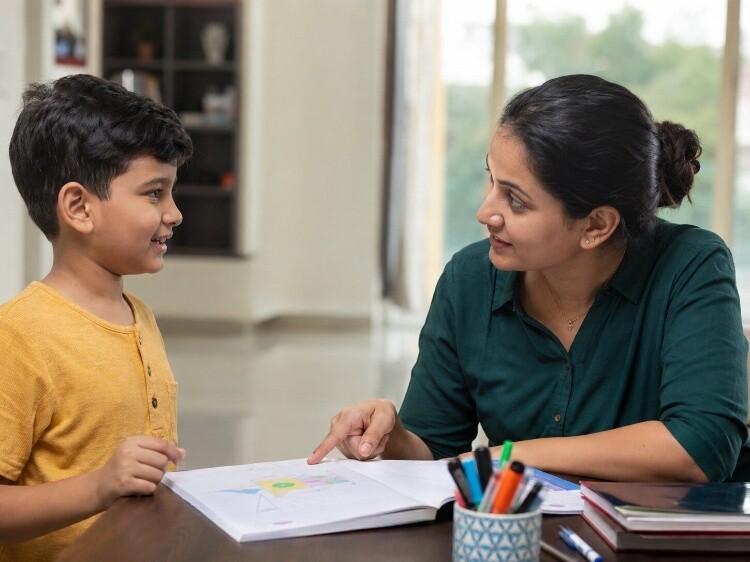
Providing genuine, specific feedback rather than empty praise
"You explained that really clearly" is more useful and more believable to a child than a generic "good job" — specific feedback builds genuine self-assessment skill alongside confidence.
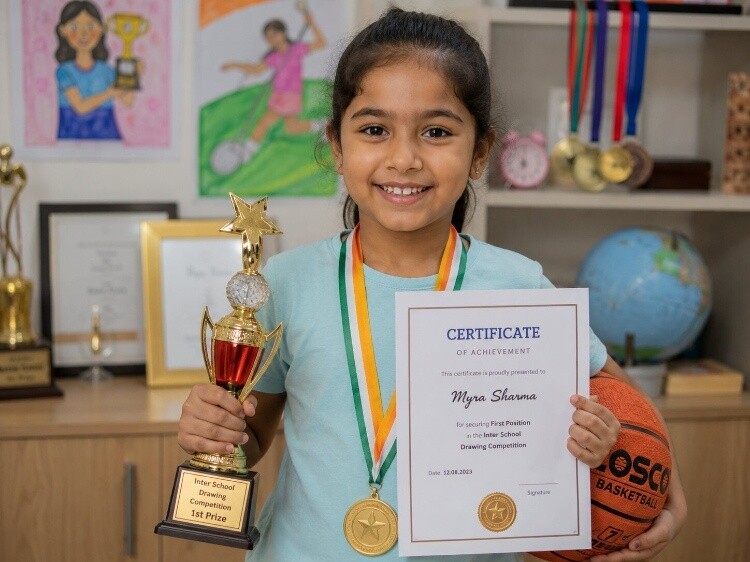
Encouraging activities across varied domains
A child with confidence built across multiple areas (sports, academics, a creative pursuit) has a broader foundation than one whose confidence rests entirely on a single area of success.
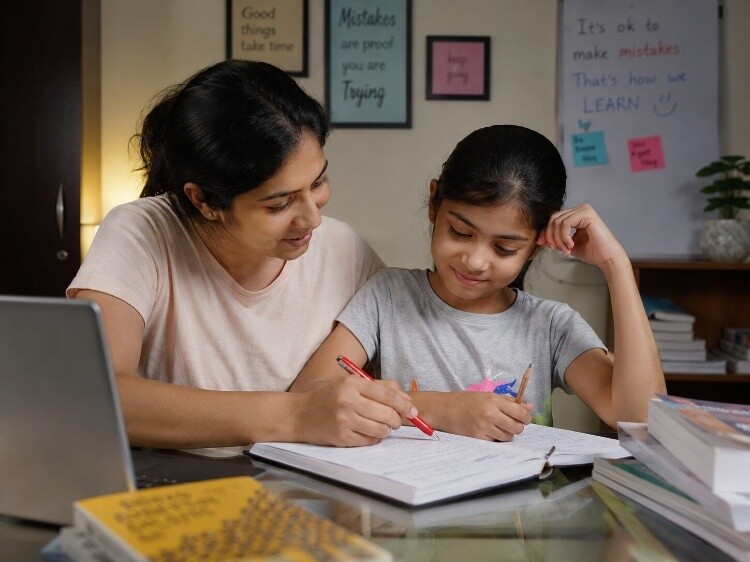
Modelling confident handling of your own challenges
Children absorb enormous amounts from watching how parents handle their own setbacks and challenges — visible, calm resilience models confidence more powerfully than any direct lesson.
Why praise alone doesn't build lasting confidence
Excessive, generic praise ("you're so smart," "you're the best") can paradoxically create fragile confidence that collapses at the first genuine failure, since a child hasn't built the internal experience of overcoming difficulty — confidence built through genuine effort and gradual mastery tends to be far more resilient.
Balancing support with genuine independence
The activities above share a common thread: providing enough support for safety and genuine skill development, while resisting the urge to over-help or over-praise in ways that prevent a child from building authentic self-efficacy through their own experience.
A note for high-achieving academic environments
In competitive Indian academic settings, confidence sometimes becomes narrowly tied to marks and academic comparison — actively building confidence across varied domains (sports, creative pursuits, social skills, practical responsibilities) provides a healthier, more resilient foundation than academic performance alone.