
 Summer Camp
 Reading Writing
 Book Club
 Calligraphy
 Creative Writing
 English Speaking
 Handwriting
 Library
 Phonics
 Story Telling
 Art and Craft
 Clay Moulding
 Drawing
 Painting
 Pottery
 Sketching
 Drama Theatre
 Personality Development
 Public Speaking
 Languages
 Arabic
 Chinese
 French
 German
 Hindi
Hindi Italian
 Japanese
 Korean
 Persian
 Portuguese
 Russian
 Spanish
 Turkish
 Uzbek
Uzbek Sports and Fitness
 Aerobics
 Athletics
 Badminton
 Basket Ball
 Chess
Chess Cricket
 Football
 Golf
Golf Gymnastics
 Hulahoop
 Karate
 Martial Arts
 Pickleball
 Rugby
Rugby Skating
 Swimming
 Taekwondo
 Tennis
 Volleyball
 Yoga
Yoga Zumba
Zumba Tuition Classes
 Accounts
 Biology
 Business Studies
 CBSE
CBSE Chemistry
 Commerce
 Economics
 Homework Classes
 IB Board
 IGCSE
IGCSE Mathematics
 Physics
 Psychology
 Science
 Social Studies
 Vedic Maths
 Dance and Music
 Ballet
 Bhangra
 Bharatnatyam
 Bollywood Dance
 Casio
Casio Dandiya and Garba
 Drums
Drums Flute
Flute Guitar
 Harmonium
 Hip Hop
 Jazz
Jazz Kathak
 Keyboard
 Piano
Piano Salsa
Salsa Shlokas
 Sitar
Sitar Tabla
Tabla Ukulele
 Violin
 Vocal
Vocal Play School
 STEM
STEM
 Abacus
 App Development
 Artificial intelligence
 Basic Computer Courses
 Canva
Canva Coding
 Graphic Design
 Lego
Lego Python
 Robotics
 Rubiks Cube
 Scrabble
 Scratch
 Website Development
 Winter Camp
 Workshops
 Diwali Workshop
 Easter
 Ganesh Mahotsav
 Guru Nanak Jayanti Workshop
 Holi
Holi Independence day workshop
 Janmashtami Workshop
 Mothers day
 Navratri Workshops
 Raksha Bandhan workshop
 Ramayana Workshop
 Spring Camp
 Valentines Day Workshops
 Festive
 Daycare
 Cooking and Food
 Spring Camp
 Contests and Competitions
 Special abled
 Republic Day Workshops
 Mela
Mela
 Mela
Mela Cognitive Development
 Mother-Toddler Program
-Jul-03-2026-06-59-25-1926-AM.webp?width=30&height=30&name=Smart_20Skills_20(2)-Jul-03-2026-06-59-25-1926-AM.webp) Smart Skills
Smart Skills
 Financial Literacy
 Mental Wellbeing
 Meditation
 Reiki
Reiki




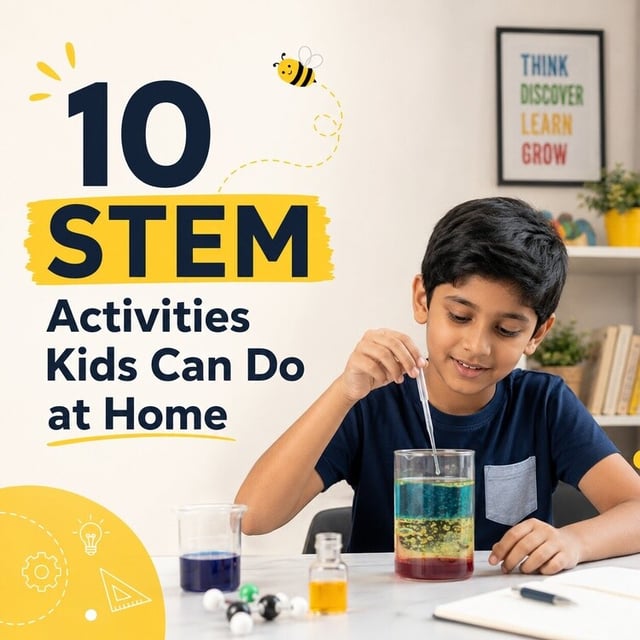
STEM learning doesn't require expensive kits or elaborate setups — many genuinely effective science, technology, engineering, and math activities use household materials most Indian families already have.
STEM education has become a bigger focus in Indian schools and after-school activities, but the home version doesn't need to match the expense or complexity of formal robotics kits. These activities build genuine STEM thinking using materials already sitting in most kitchens and storage cupboards.
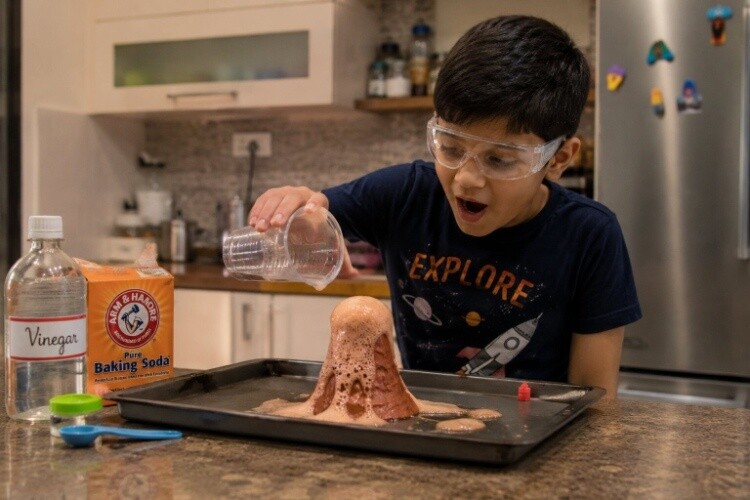
Baking soda and vinegar volcano
A genuine classic for good reason — builds basic chemical reaction understanding in a dramatic, memorable format using two common kitchen items.
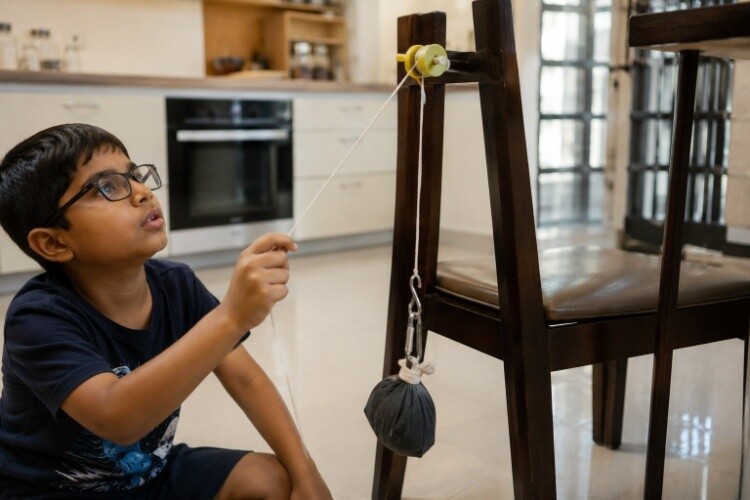
Building a simple pulley system
Using string, a spool, and a small weight, demonstrate basic mechanical advantage — genuinely eye-opening for kids who've never considered how lifting mechanisms work.
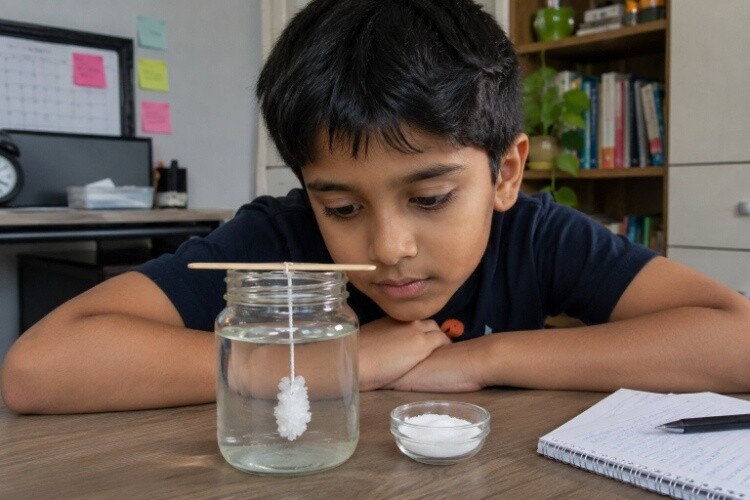
Growing crystals from salt or sugar water
A slow-build activity (several days) that teaches patience alongside basic chemistry and observation skills.
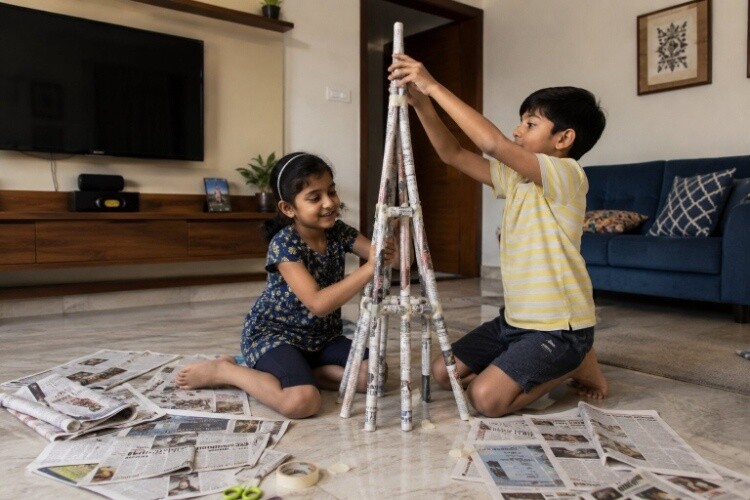
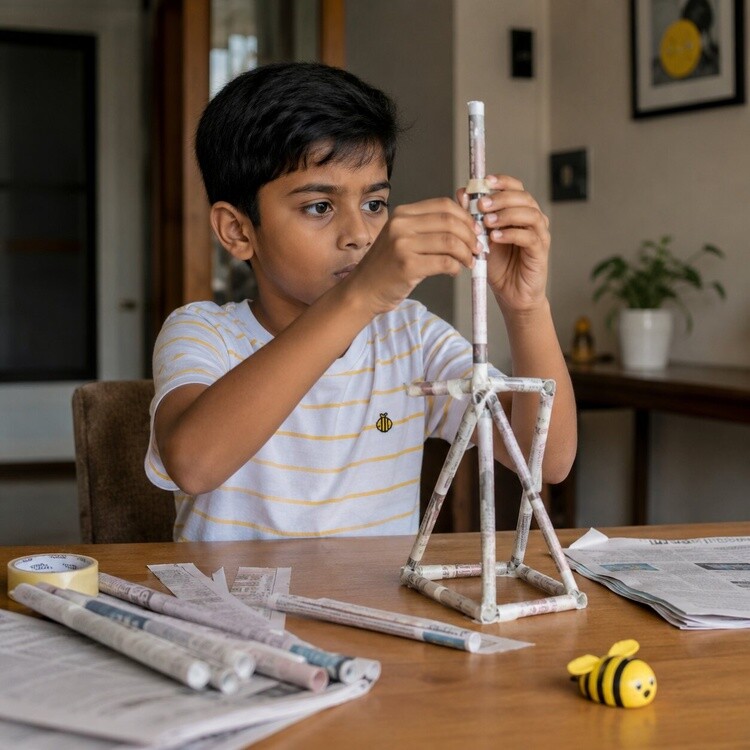
Building the tallest tower with limited materials
Using only newspaper and tape, challenge your child to build the tallest freestanding tower — builds engineering thinking about structural stability under real constraints.
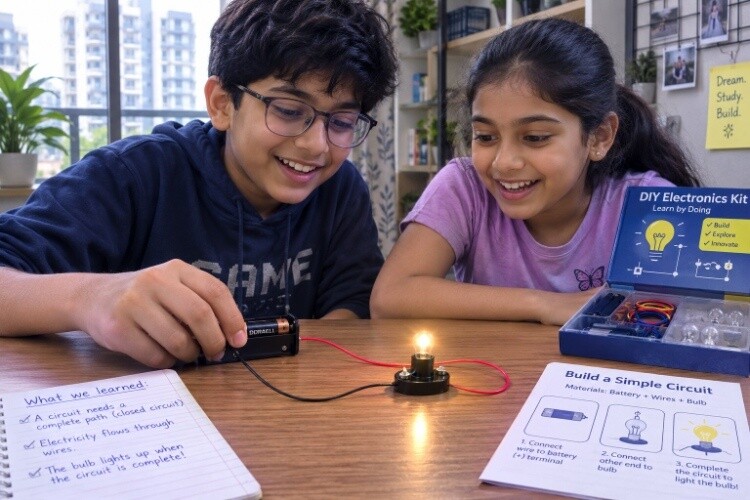
Simple circuit building with a battery, wire, and bulb
Widely available basic electronics kits (inexpensive and safe) teach fundamental circuit concepts hands-on, far more memorably than a diagram.
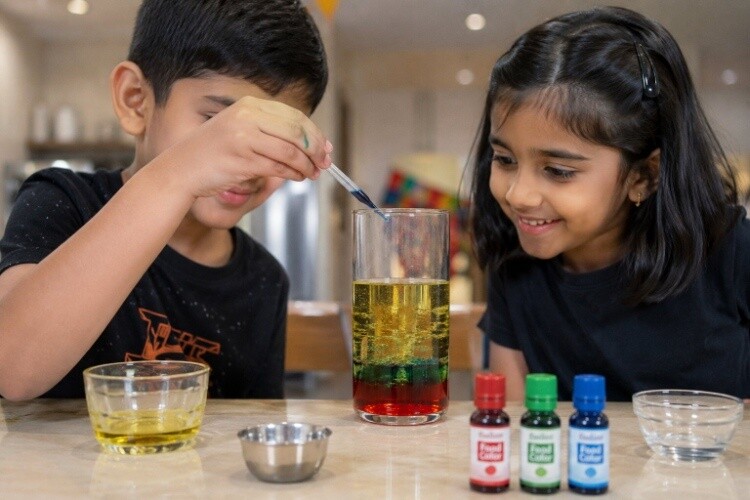
Water density experiment with oil, water, and food colouring
A visually striking, simple demonstration of density differences using items every kitchen has.
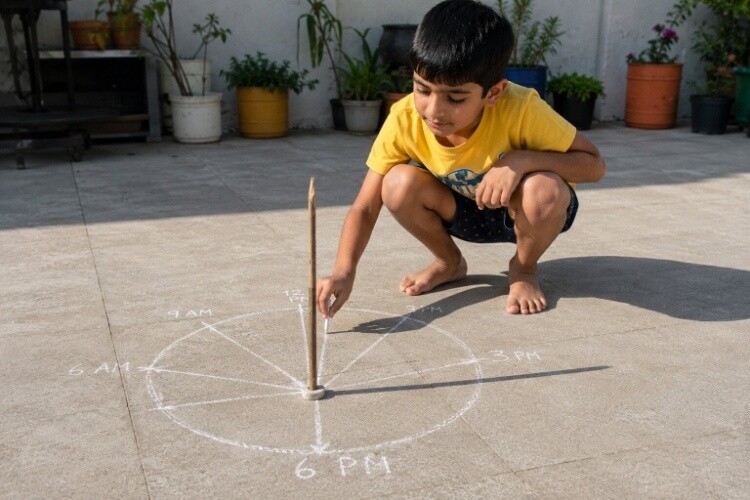
Sundial or shadow tracking
Marking a shadow's position at different times of day builds understanding of earth's rotation and basic astronomy concepts, using nothing but a stick and chalk.
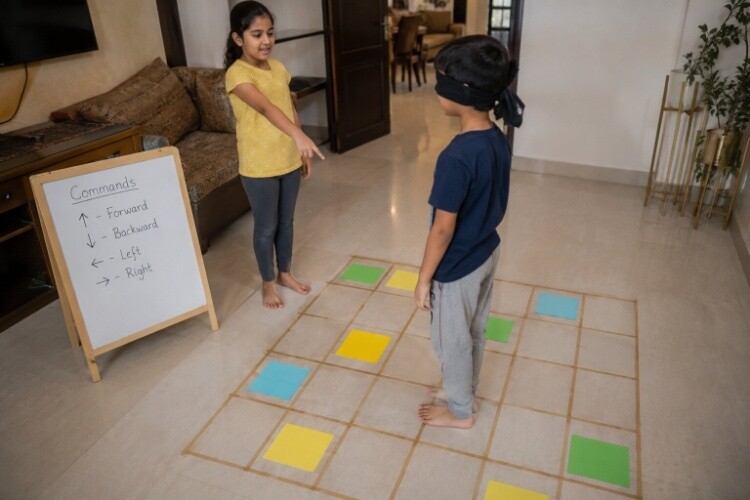
Coding through unplugged activities
Before any screen involvement, simple "unplugged coding" games (giving step-by-step instructions to a blindfolded "robot" family member) build genuine sequential logic thinking.
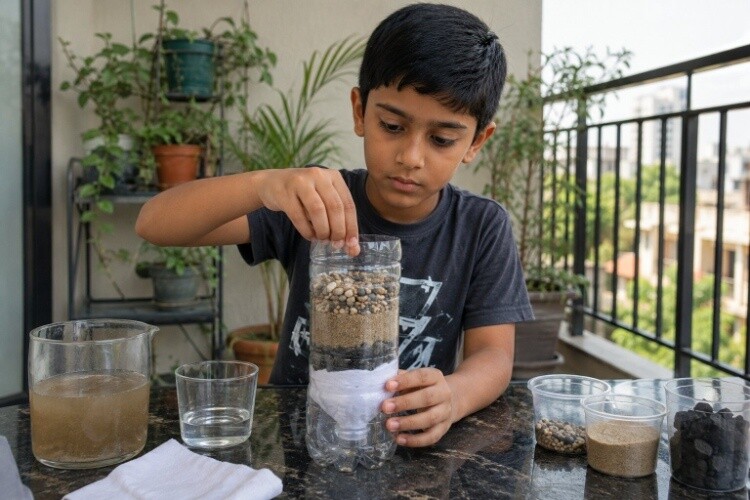
Building a simple water filter
Using a plastic bottle, sand, gravel, and cloth, demonstrate basic filtration — connects directly to real-world water treatment concepts.
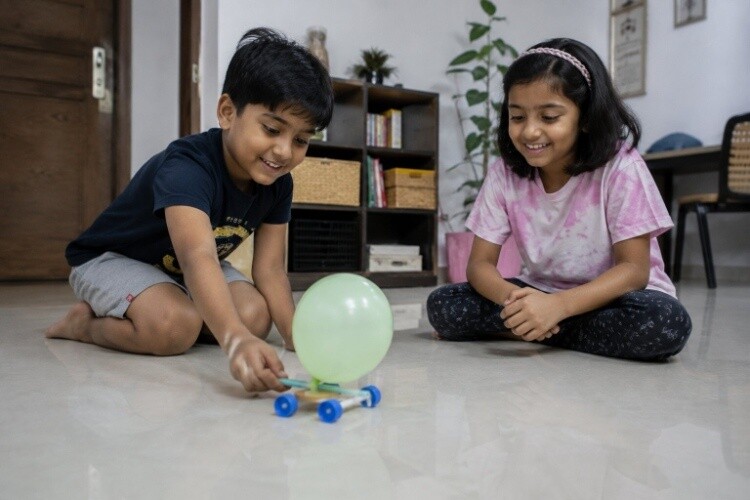
Balloon-powered car
Using a balloon, straws, and bottle caps, build a simple car powered by released air — teaches basic physics concepts around force and propulsion in a genuinely fun, replayable format.
Why hands-on beats screen-based STEM for younger children
While coding apps and STEM-branded games have their place, genuinely hands-on activities build a deeper, more intuitive understanding of cause and effect for younger children — the physical, tactile experience of watching a tower fall or a circuit light up creates a stronger learning impression than a screen simulation of the same concept.
Turning failure into part of the learning
Many of these activities won't work perfectly the first time — the tower might collapse, the crystal might not form. This is genuinely valuable: STEM thinking fundamentally involves iterating after failure, and normalising this early builds resilience alongside the specific science content.
Making this a regular, low-pressure habit
A single STEM activity on a weekend, without pressure to "get it right," builds curiosity and confidence far more effectively than infrequent, high-stakes science fair-style projects. Over months, these small activities compound into genuine scientific thinking and comfort with hands-on experimentation.