
 Summer Camp
 Reading Writing
 Book Club
 Calligraphy
 Creative Writing
 English Speaking
 Handwriting
 Library
 Phonics
 Story Telling
 Art and Craft
 Clay Moulding
 Drawing
 Painting
 Pottery
 Sketching
 Drama Theatre
 Personality Development
 Public Speaking
 Languages
 Arabic
 Chinese
 French
 German
 Hindi
Hindi Italian
 Japanese
 Korean
 Persian
 Portuguese
 Russian
 Spanish
 Turkish
 Uzbek
Uzbek Sports and Fitness
 Aerobics
 Athletics
 Badminton
 Basket Ball
 Chess
Chess Cricket
 Football
 Golf
Golf Gymnastics
 Hulahoop
 Karate
 Martial Arts
 Pickleball
 Rugby
Rugby Skating
 Swimming
 Taekwondo
 Tennis
 Volleyball
 Yoga
Yoga Zumba
Zumba Tuition Classes
 Accounts
 Biology
 Business Studies
 CBSE
CBSE Chemistry
 Commerce
 Economics
 Homework Classes
 IB Board
 IGCSE
IGCSE Mathematics
 Physics
 Psychology
 Science
 Social Studies
 Vedic Maths
 Dance and Music
 Ballet
 Bhangra
 Bharatnatyam
 Bollywood Dance
 Casio
Casio Dandiya and Garba
 Drums
Drums Flute
Flute Guitar
 Harmonium
 Hip Hop
 Jazz
Jazz Kathak
 Keyboard
 Piano
Piano Salsa
Salsa Shlokas
 Sitar
Sitar Tabla
Tabla Ukulele
 Violin
 Vocal
Vocal Play School
 STEM
STEM
 Abacus
 App Development
 Artificial intelligence
 Basic Computer Courses
 Canva
Canva Coding
 Graphic Design
 Lego
Lego Python
 Robotics
 Rubiks Cube
 Scrabble
 Scratch
 Website Development
 Winter Camp
 Workshops
 Diwali Workshop
 Easter
 Ganesh Mahotsav
 Guru Nanak Jayanti Workshop
 Holi
Holi Independence day workshop
 Janmashtami Workshop
 Mothers day
 Navratri Workshops
 Raksha Bandhan workshop
 Ramayana Workshop
 Spring Camp
 Valentines Day Workshops
 Festive
 Daycare
 Cooking and Food
 Spring Camp
 Contests and Competitions
 Special abled
 Republic Day Workshops
 Mela
Mela
 Mela
Mela Cognitive Development
 Mother-Toddler Program
-Jul-03-2026-06-59-25-1926-AM.webp?width=30&height=30&name=Smart_20Skills_20(2)-Jul-03-2026-06-59-25-1926-AM.webp) Smart Skills
Smart Skills
 Financial Literacy
 Mental Wellbeing
 Meditation
 Reiki
Reiki




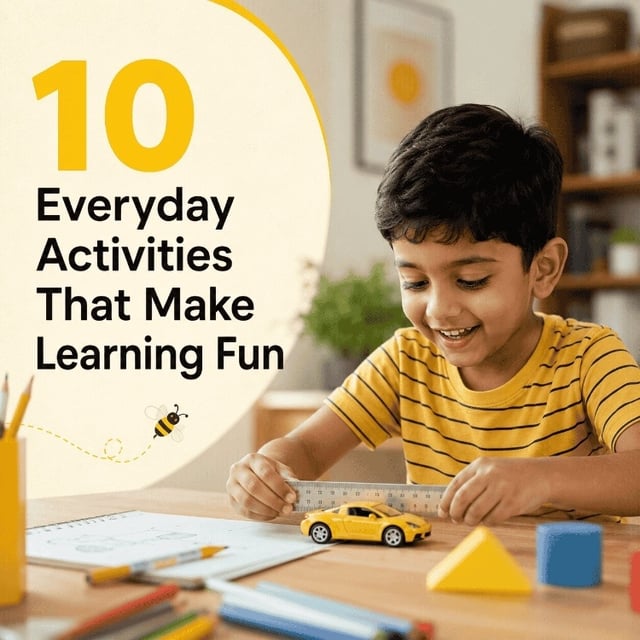
Learning doesn't need to be confined to homework time — everyday household moments (cooking, shopping, commuting) can quietly build academic skills without ever feeling like "more schoolwork."
Some of the most effective learning happens outside of anything labelled as educational — during a kitchen task, a market trip, or a car ride. These moments matter because they build skills without triggering the resistance that formal "learning time" sometimes does.
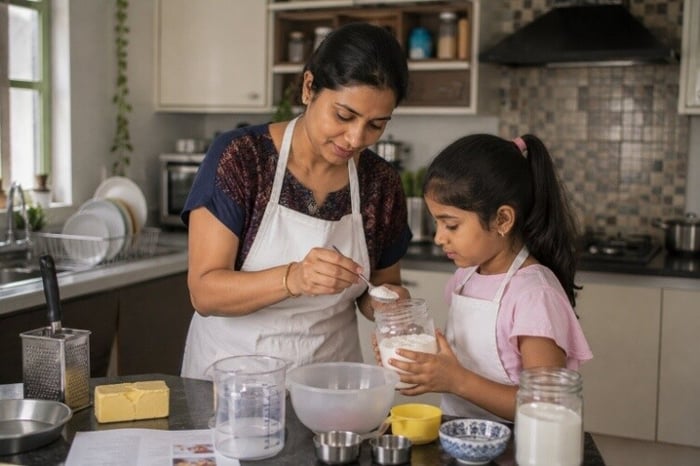
Following a recipe together builds measurement, fractions (half a cup, a quarter teaspoon), and sequential thinking — genuinely practical math application.
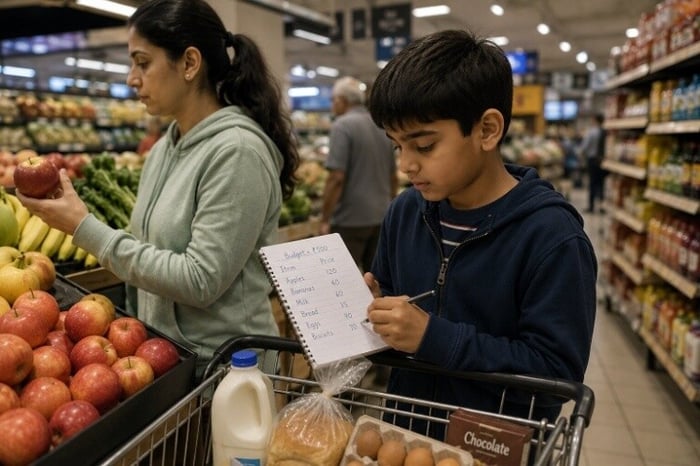
Giving a child a small budget to work with while shopping (even hypothetically) builds addition, subtraction, and real-world number sense.
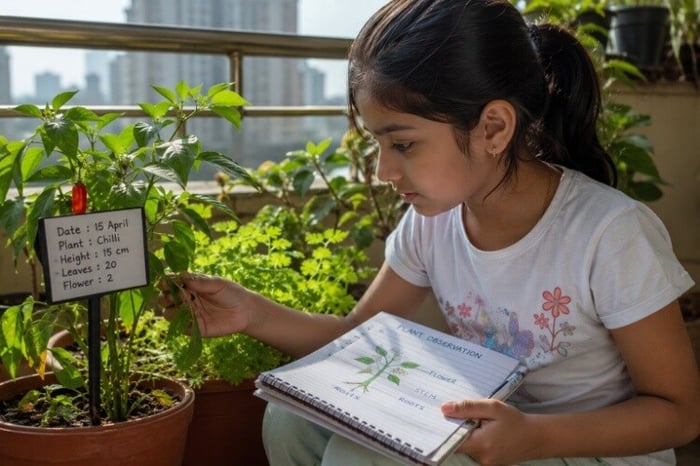
Growing even a single pot of coriander or a chilli plant on a balcony builds patience and basic scientific observation skills — noticing growth, watering needs, and cause-and-effect.
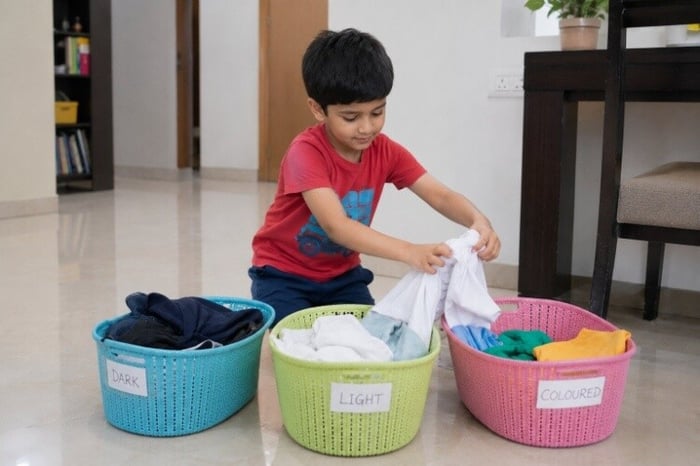
A simple household task like sorting clothes by colour or type builds categorisation thinking, especially for younger children.
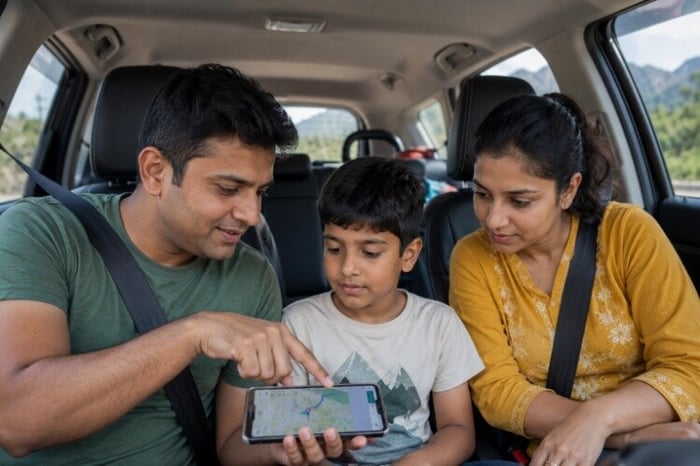
Even a basic phone map, explained simply, builds spatial reasoning and geography awareness that's far more memorable than a textbook diagram.
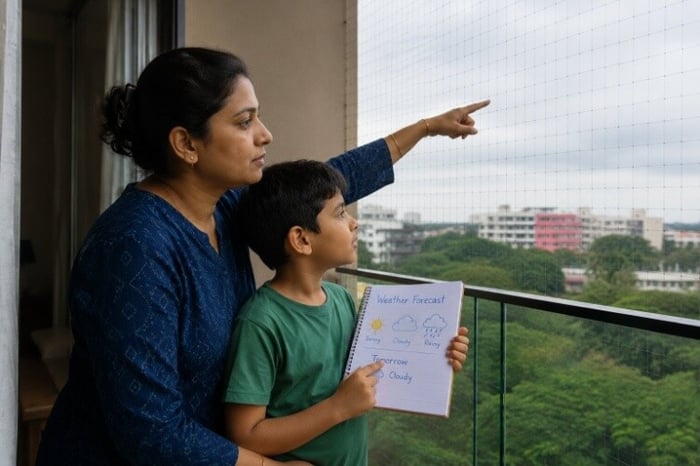
Discussing the day's weather and guessing what tomorrow might look like builds observational and basic scientific reasoning skills.
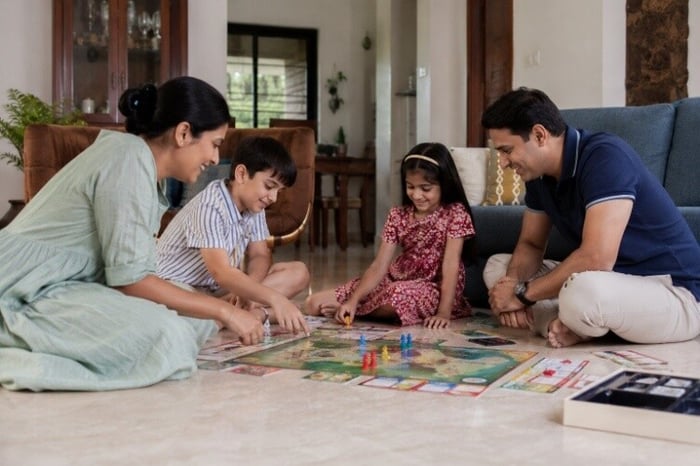
Beyond the specific skills of any one game, regular family game time builds turn-taking, strategic thinking, and healthy competition handling.
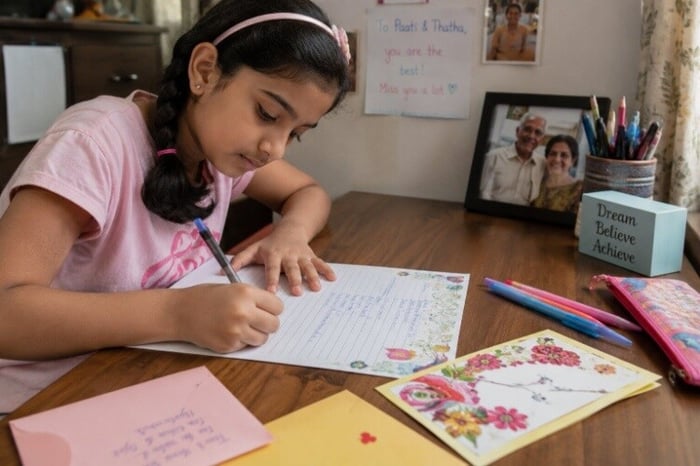
Writing a physical letter or card to a grandparent living elsewhere builds writing skills with genuine motivation, since there's a real person waiting to receive it.
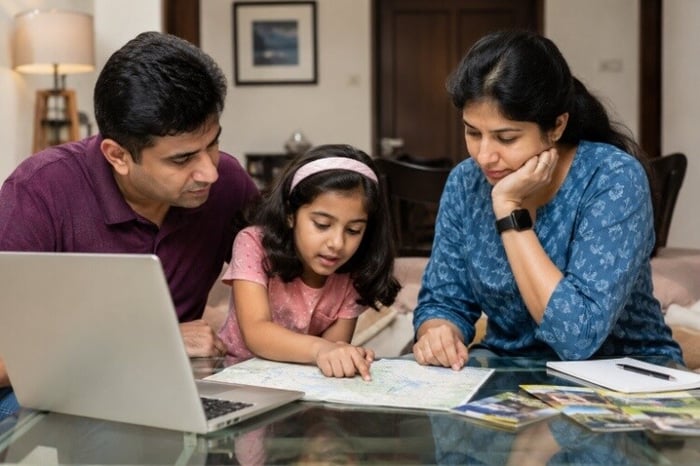
Involving a child in researching and planning a weekend outing (where to go, how long it takes, what it costs) builds real-world planning and research skills.
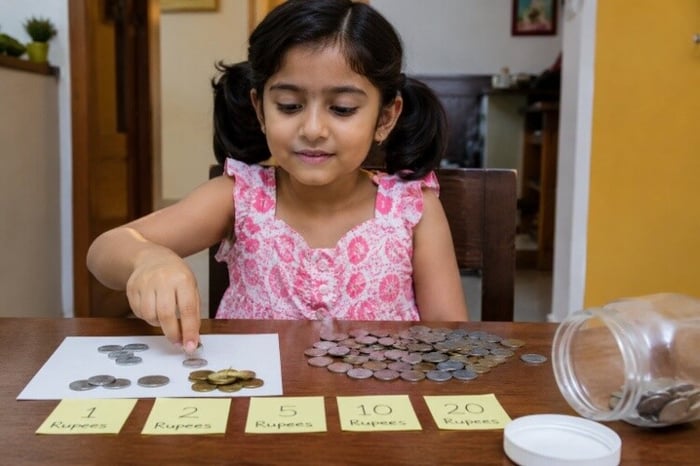
A simple, low-tech activity that builds number recognition and basic arithmetic, especially engaging for younger children who enjoy handling "real" money.
Why these moments matter more than they seem
Children absorb an enormous amount through observation and participation in everyday family activities — often more durably than through structured lessons, because the learning is attached to a real, meaningful context rather than an abstract worksheet exercise.
Fitting this into an already busy schedule
None of these require carving out separate time — they're built into tasks most families are already doing daily. The shift is simply narrating and involving your child in the thinking behind the task, rather than doing it silently or handing them a screen while you do it alone.
The bigger picture
For families managing school, tuition, and after-school activities, these everyday moments offer a genuinely valuable, low-pressure supplement — building real-world skills and confidence without adding another item to an already full schedule.