
 Reading Writing
 Book Club
 Calligraphy
 Creative Writing
 English Speaking
 Handwriting
 Library
 Phonics
 Story Telling
 Art and Craft
 Clay Moulding
 Drawing
 Painting
 Pottery
 Sketching
 Drama Theatre
 Personality Development
 Public Speaking
 Languages
 Arabic
 Chinese
 French
 German
 Hindi
Hindi Italian
 Japanese
 Korean
 Persian
 Portuguese
 Russian
 Spanish
 Turkish
 Uzbek
Uzbek Sports and Fitness
 Aerobics
 Athletics
 Badminton
 Basket Ball
 Chess
Chess Cricket
 Football
 Golf
Golf Gymnastics
 Hulahoop
 Karate
 Martial Arts
 Pickleball
 Rugby
Rugby Skating
 Swimming
 Taekwondo
 Tennis
 Volleyball
 Yoga
Yoga Zumba
Zumba Tuition Classes
 Accounts
 Biology
 Business Studies
 CBSE
CBSE Chemistry
 Commerce
 Economics
 Homework Classes
 IB Board
 IGCSE
IGCSE Mathematics
 Physics
 Psychology
 Science
 Social Studies
 Vedic Maths
 Dance and Music
 Ballet
 Bhangra
 Bharatnatyam
 Bollywood Dance
 Casio
Casio Dandiya and Garba
 Drums
Drums Flute
Flute Guitar
 Harmonium
 Hip Hop
 Jazz
Jazz Kathak
 Keyboard
 Piano
Piano Salsa
Salsa Shlokas
 Sitar
Sitar Tabla
Tabla Ukulele
 Violin
 Vocal
Vocal Play School
 STEM
STEM
 Abacus
 App Development
 Artificial intelligence
 Basic Computer Courses
 Canva
Canva Coding
 Graphic Design
 Lego
Lego Python
 Robotics
 Rubiks Cube
 Scrabble
 Scratch
 Website Development
 Workshops
 Diwali Workshops
 Guru Nanak Jayanti Workshop
 Halloween
 Independence day workshop
 Navratri Workshops
 Raksha Bandhan workshop
 Ramayana Workshop
 Spring Camp
 Valentines Day Workshops
 Festive
 Daycare
 Cooking and Food
 Spring Camp
 Contests and Competitions
 Special abled
 Republic Day Workshops
 Mela
Mela
 Mela
Mela Cognitive Development
 Mother-Toddler Program
 Music
Music
 Dance
Dance
-Jul-03-2026-06-59-25-1926-AM.webp?width=30&height=30&name=Smart_20Skills_20(2)-Jul-03-2026-06-59-25-1926-AM.webp) Smart Skills
Smart Skills
 Financial Literacy
 Mental Wellbeing
 Meditation
 Reiki
Reiki




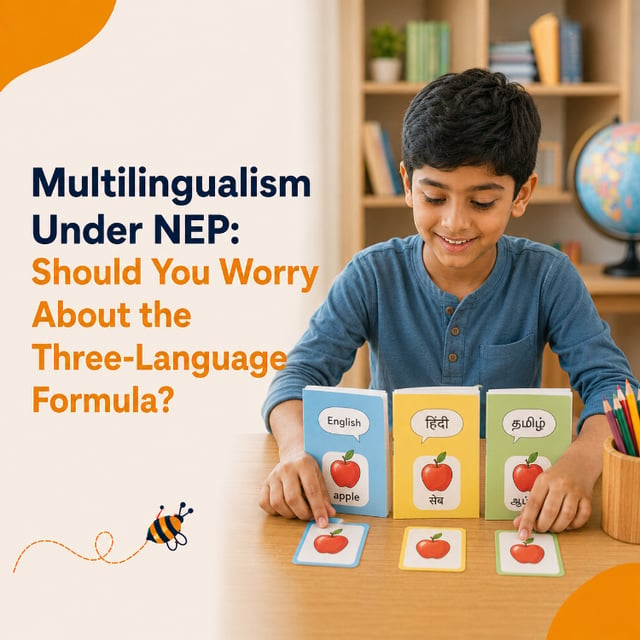
NEP's three-language formula has generated significant political and parental debate, but the actual policy provisions are more flexible than headlines often suggest. Here's what it means for a Delhi NCR or Chandigarh English-medium household specifically.
The three-language formula under NEP has attracted more media and political attention than almost any other single provision, often in ways that obscure what the policy actually requires versus recommends — worth untangling for a practical, non-political read on what it means for your specific child.
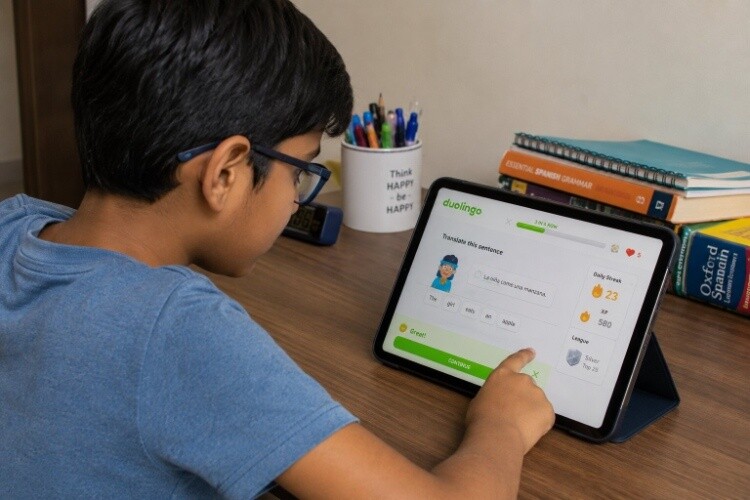
What the three-language formula actually says
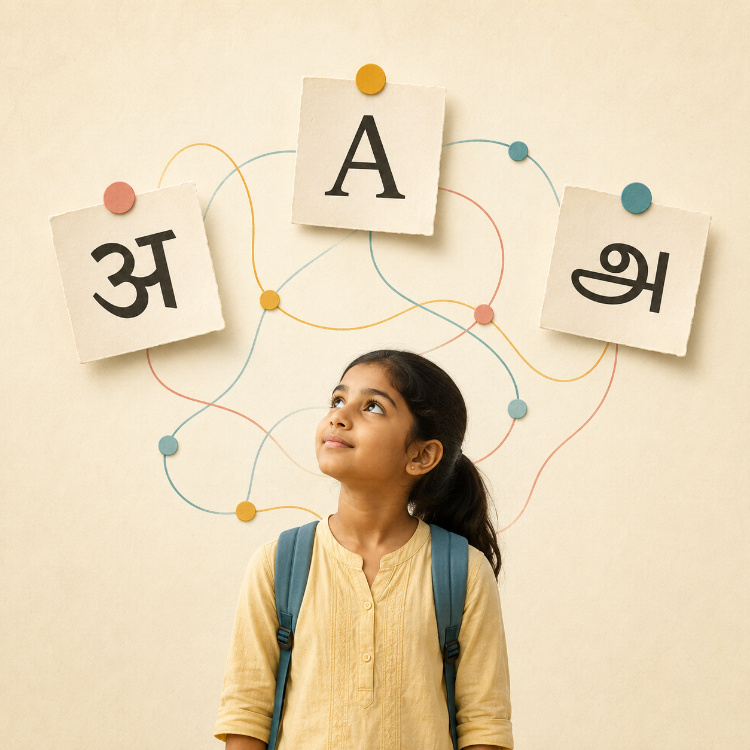
NEP recommends children learn three languages during their school years, with at least two being native to India — the specific languages aren't mandated by the central policy, and states/schools retain meaningful choice in implementation, contrary to some characterisations suggesting rigid central imposition.
Why this exists as policy
The stated rationale draws on research suggesting genuine cognitive and academic benefits from multilingual exposure, particularly in early childhood, alongside a cultural aim of maintaining connection to Indian languages amid English-medium education's dominance in urban areas, particularly relevant in cities like Delhi NCR and Chandigarh where English-medium schooling is increasingly the default choice for many families.
What this looks like for a typical Delhi NCR or Chandigarh English-medium family
Practically, most schools implement this as English (often the medium of instruction), Hindi (widely taught as a compulsory subject regardless of NEP, given its status), and a third language — sometimes a regional Indian language, sometimes a choice among options the school offers (Sanskrit, Punjabi in Chandigarh specifically given regional context, or another modern Indian language). The genuine flexibility exists primarily in the third-language choice and in timing (when the third language formally begins).
Addressing the common parental worry directly
Many English-medium household parents worry the formula burdens children with too many languages too early, potentially at the cost of English fluency development. Available research on early multilingualism generally doesn't support this concern — children exposed to multiple languages in structured, appropriately-paced ways typically don't show delayed proficiency in any individual language by later childhood, and some research suggests cognitive benefits (including, notably, benefits to overall language-learning capacity) from genuine multilingual exposure.
The bilingual-home advantage worth recognising
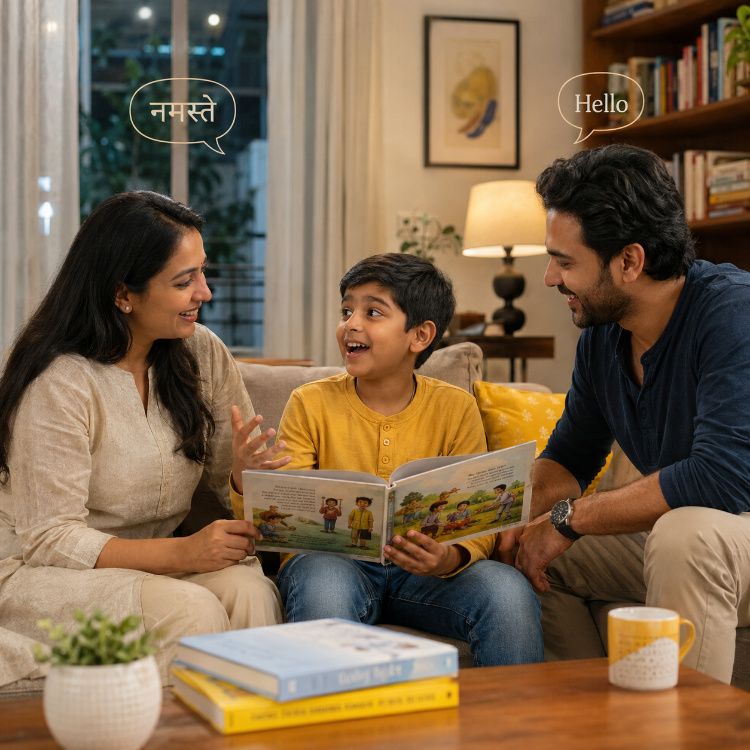
Many Delhi NCR and Chandigarh families already function multilingually at home (Hindi or Punjabi alongside English, sometimes a third family language), meaning the three-language formula's classroom requirement often aligns with, rather than adds to, a child's existing linguistic environment — worth reframing from "extra burden" to "formal support for languages already part of home life," where applicable.
What's genuinely worth asking your school
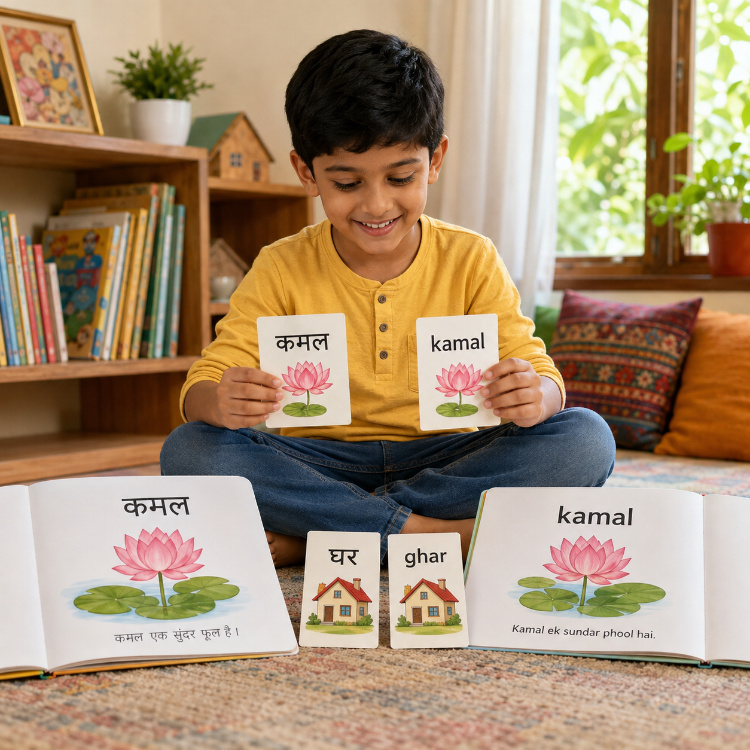
Which specific languages are offered as the third-language option, and when formal instruction in each begins. Whether the approach for younger children (particularly foundational stage) is genuinely play-based and exposure-focused rather than textbook-and-exam-driven for language learning at this early stage — the same pedagogical principles applying to language as to other foundational-stage subjects.
The bottom line for a worried parent
The three-language formula, as actually implemented in most urban private and government schools, tends to be considerably less disruptive than political debate around it might suggest — genuine concern is more warranted if a specific school is implementing it in an exam-heavy, developmentally-inappropriate way for young children, which is a broader pedagogy concern rather than something unique to multilingual policy specifically.