
 Summer Camp
 Reading Writing
 Book Club
 Calligraphy
 Creative Writing
 English Speaking
 Handwriting
 Library
 Phonics
 Story Telling
 Art and Craft
 Clay Moulding
 Drawing
 Painting
 Pottery
 Sketching
 Drama Theatre
 Personality Development
 Public Speaking
 Languages
 Arabic
 Chinese
 French
 German
 Hindi
Hindi Italian
 Japanese
 Korean
 Persian
 Portuguese
 Russian
 Spanish
 Turkish
 Uzbek
Uzbek Sports and Fitness
 Aerobics
 Athletics
 Badminton
 Basket Ball
 Chess
Chess Cricket
 Football
 Golf
Golf Gymnastics
 Hulahoop
 Karate
 Martial Arts
 Pickleball
 Rugby
Rugby Skating
 Swimming
 Taekwondo
 Tennis
 Volleyball
 Yoga
Yoga Zumba
Zumba Tuition Classes
 Accounts
 Biology
 Business Studies
 CBSE
CBSE Chemistry
 Commerce
 Economics
 Homework Classes
 IB Board
 IGCSE
IGCSE Mathematics
 Physics
 Psychology
 Science
 Social Studies
 Vedic Maths
 Dance and Music
 Ballet
 Bhangra
 Bharatnatyam
 Bollywood Dance
 Casio
Casio Dandiya and Garba
 Drums
Drums Flute
Flute Guitar
 Harmonium
 Hip Hop
 Jazz
Jazz Kathak
 Keyboard
 Piano
Piano Salsa
Salsa Shlokas
 Sitar
Sitar Tabla
Tabla Ukulele
 Violin
 Vocal
Vocal Play School
 STEM
STEM
 Abacus
 App Development
 Artificial intelligence
 Basic Computer Courses
 Canva
Canva Coding
 Graphic Design
 Lego
Lego Python
 Robotics
 Rubiks Cube
 Scrabble
 Scratch
 Website Development
 Winter Camp
 Workshops
 Diwali Workshop
 Easter
 Ganesh Mahotsav
 Guru Nanak Jayanti Workshop
 Holi
Holi Independence day workshop
 Janmashtami Workshop
 Mothers day
 Navratri Workshops
 Raksha Bandhan workshop
 Ramayana Workshop
 Spring Camp
 Valentines Day Workshops
 Festive
 Daycare
 Cooking and Food
 Spring Camp
 Contests and Competitions
 Special abled
 Republic Day Workshops
 Mela
Mela
 Mela
Mela Cognitive Development
 Mother-Toddler Program
-Jul-03-2026-06-59-25-1926-AM.webp?width=30&height=30&name=Smart_20Skills_20(2)-Jul-03-2026-06-59-25-1926-AM.webp) Smart Skills
Smart Skills
 Financial Literacy
 Mental Wellbeing
 Meditation
 Reiki
Reiki



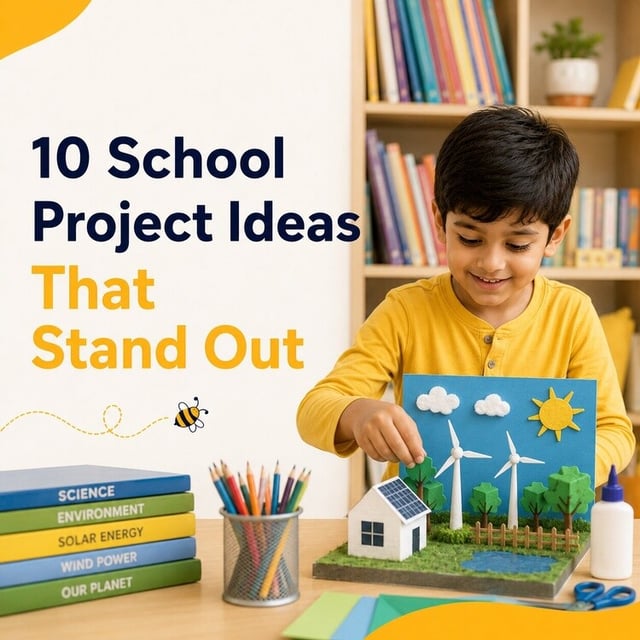
Indian school project culture rewards genuine effort and creativity over expensive materials — these 10 project ideas focus on approaches that build real learning and stand out through thoughtfulness, not budget.
School project season can create genuine pressure — both for children to produce impressive work and for parents navigating how much help is appropriate. These ideas focus on approaches that build genuine learning and stand out through creativity and effort, rather than expensive materials or excessive parental involvement.
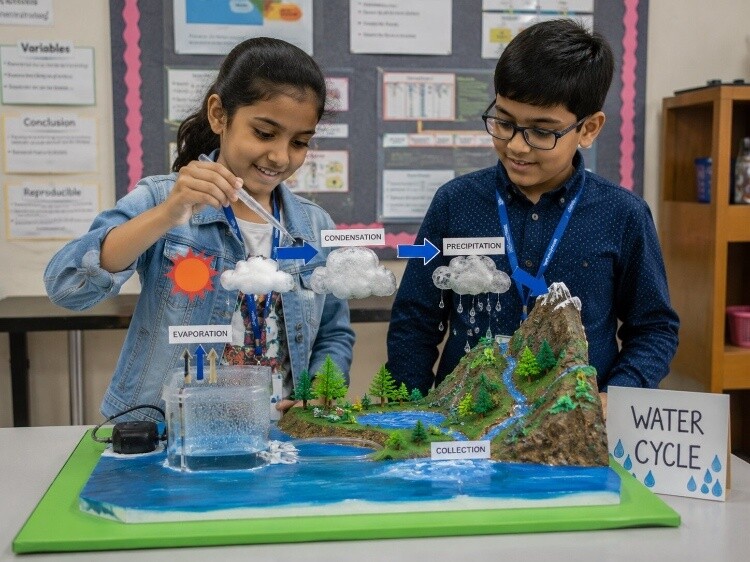
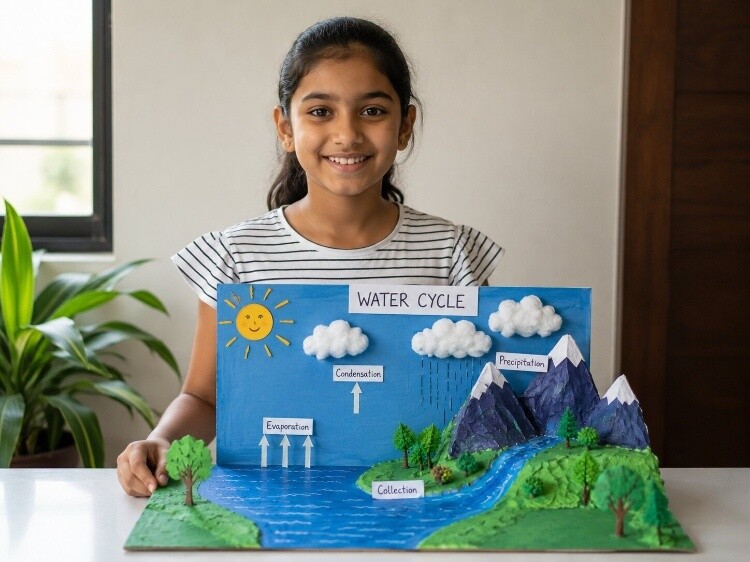
Working models over static displays, where the topic allows
A simple working model (a basic water cycle demonstration, a functioning pulley) genuinely engages evaluators more than a static poster, and builds deeper understanding through the construction process itself.
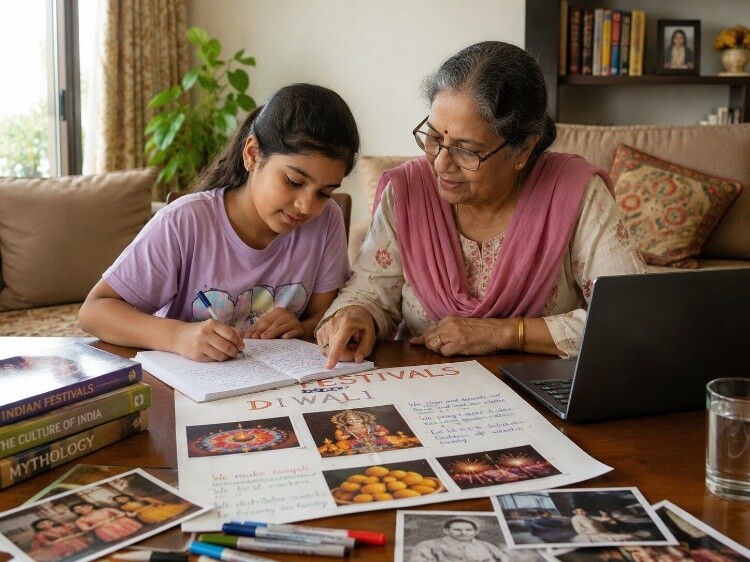
Genuine research with a personal connection angle
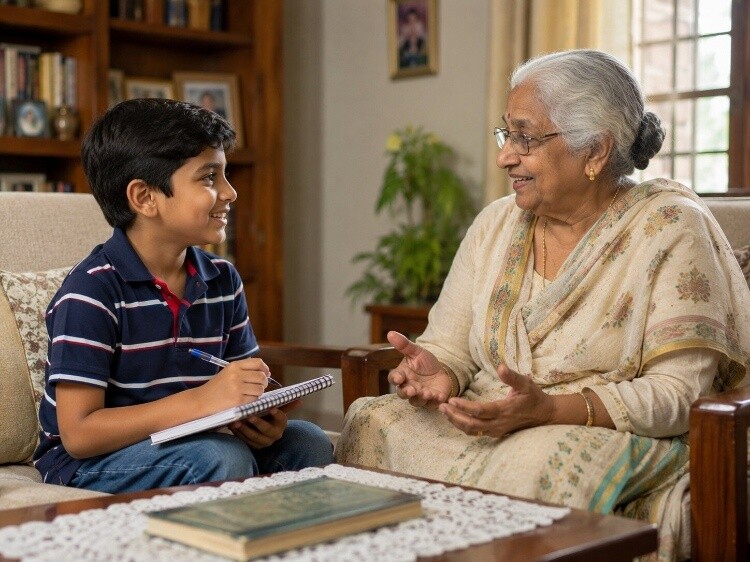
Projects that connect the assigned topic to something personally relevant (interviewing a grandparent for a history project, researching a family's regional festival traditions) tend to produce more genuine, engaged work than generic internet research.
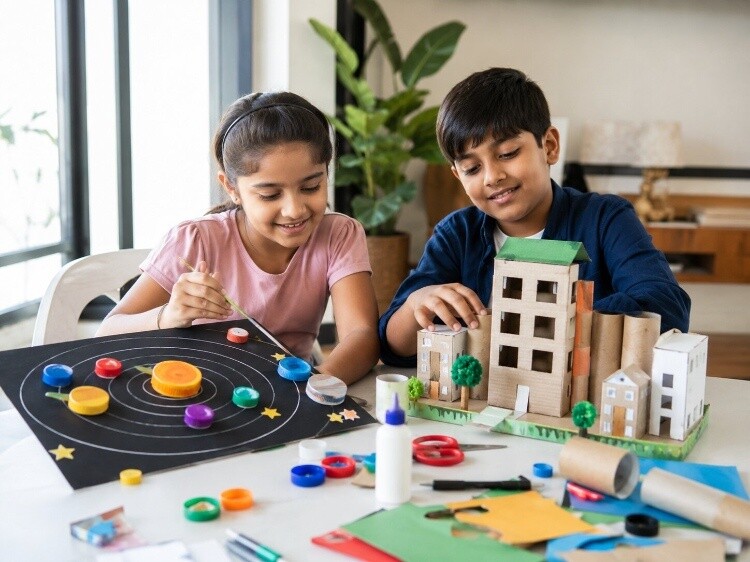
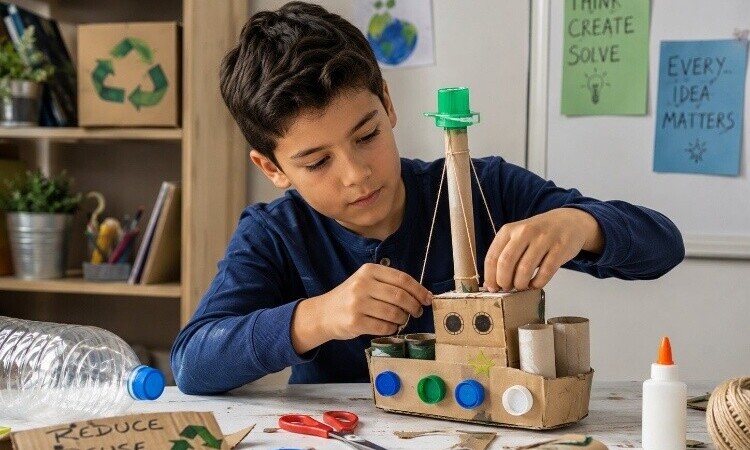
Recycled or upcycled material models
Using recycled materials for models (a solar system from bottle caps, a building model from cardboard) demonstrates resourcefulness that many evaluators genuinely appreciate, beyond just the content itself.
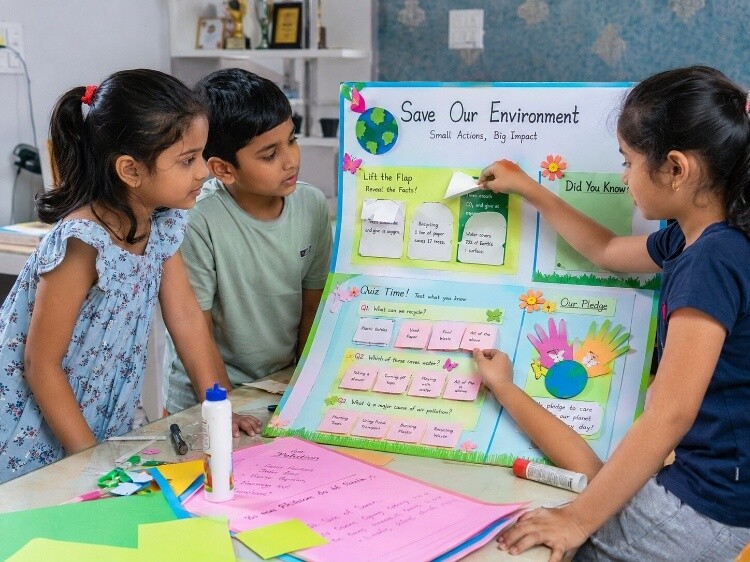
Interactive elements within the project
Adding a simple interactive component (a flip-flap fact reveal, a simple quiz element) to an otherwise standard project increases engagement and demonstrates extra creative thinking.
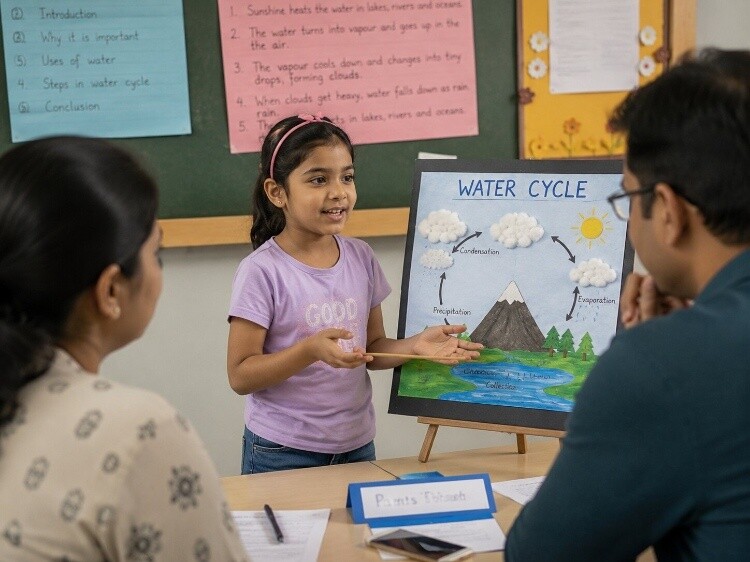
Clear, genuinely understood explanations over memorised scripts
A child who can explain their project in their own words, having genuinely understood the content, presents far more convincingly than one reciting a memorised, possibly adult-written script.
Age-appropriate scope, not overly ambitious
A well-executed, appropriately scoped project genuinely outperforms an overly ambitious one that a child clearly couldn't have completed or fully understood independently.
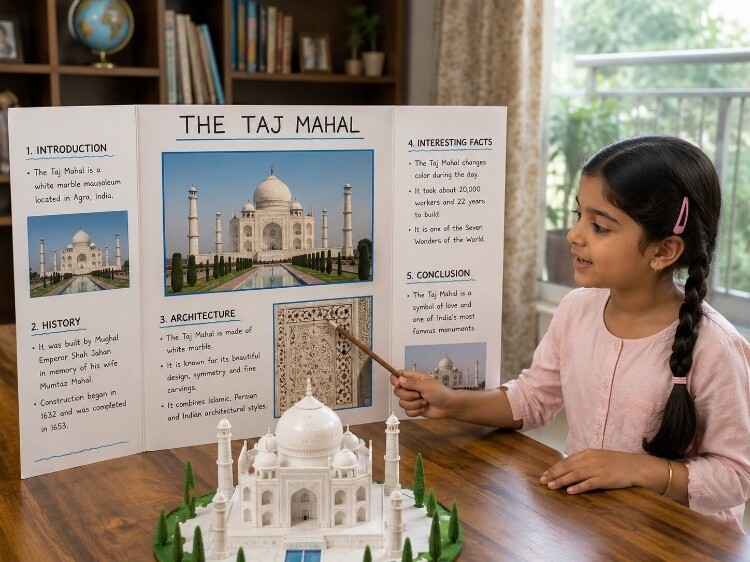
Neat, clear presentation over elaborate decoration
Clarity and organisation in presentation (clear labels, logical flow) tend to matter more to evaluators than elaborate, time-consuming decorative elements.
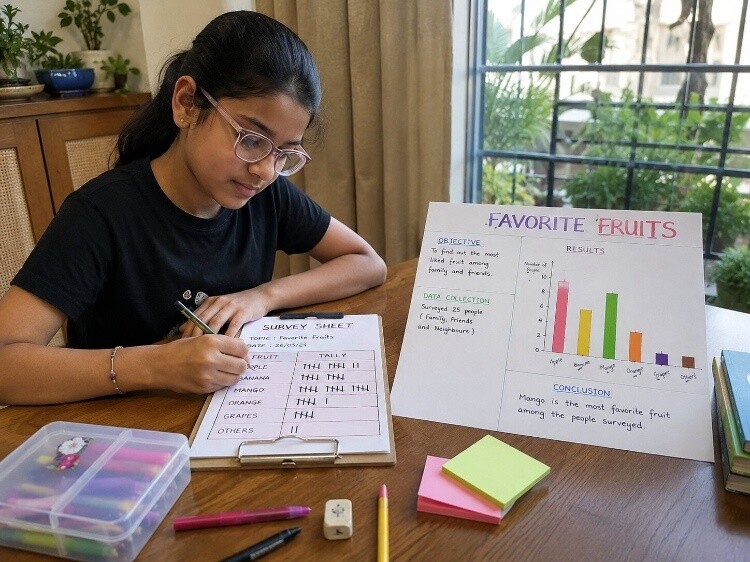
Genuine data collection where applicable
For projects allowing it, genuine simple data collection (surveying family members, measuring something over several days) builds real research skills and produces more authentic, original content.
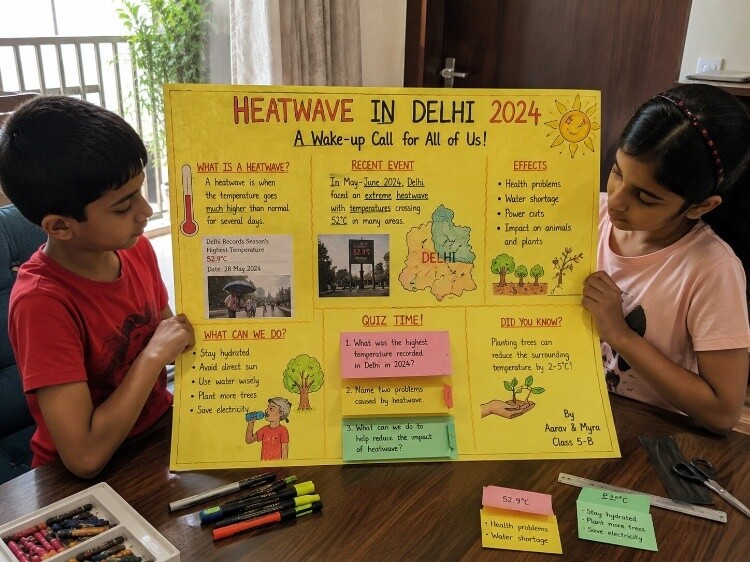
Connecting the topic to current, relevant events
Where relevant, connecting a topic to something currently happening (a science project connecting to a recent local event) demonstrates genuine engagement beyond the textbook content.
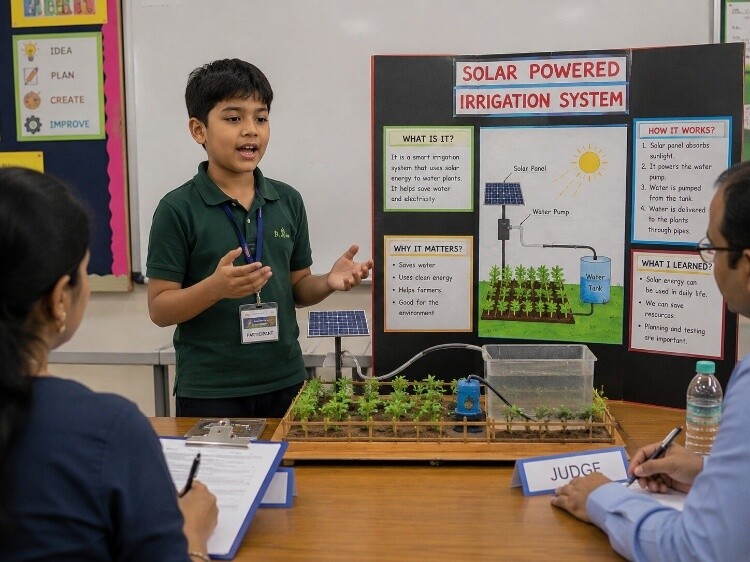
A clear, well-structured verbal presentation plan
Practicing a simple, clear explanation of the project — what it is, why it matters, what was learned — genuinely matters as much as the physical project itself for most evaluation criteria.
The right level of parental involvement
A project that's clearly entirely adult-made, however impressive, typically doesn't serve a child's genuine learning, and many teachers can distinguish this readily. A more effective role for parents: guiding the process, ensuring safety for any tools involved, and offering genuine discussion about the topic — while letting the actual construction and understanding remain the child's own work.
Managing the time pressure many families feel
Starting a project well before the deadline (even just a few days) genuinely reduces the last-minute stress that often leads to excessive parental takeover — building this planning habit itself is a valuable life skill alongside the specific project content.
What genuinely "stands out" in most evaluation contexts
Across most school project evaluation, genuine understanding demonstrated through clear explanation, creative problem-solving within real constraints, and evident personal engagement with the topic tend to matter more than either budget or elaborate presentation — a reassuring reality for families without unlimited project budgets.