
 Summer Camp
 Reading Writing
 Book Club
 Calligraphy
 Creative Writing
 English Speaking
 Handwriting
 Library
 Phonics
 Story Telling
 Art and Craft
 Clay Moulding
 Drawing
 Painting
 Pottery
 Sketching
 Drama Theatre
 Public Speaking
 Languages
 Arabic
 Chinese
 French
 German
.png) Hindi
Hindi Italian
 Japanese
.png) Korean
Korean Mandarin
 Persian
 Portuguese
.png) Punjabi
Punjabi Russian
 Spanish
 Turkish
 Urdu
Urdu Uzbek
Uzbek Sports and Fitness
 Aerobics
 Athletics
 Badminton
 Basket Ball
 Chess
Chess Cricket
 Football
 Golf
Golf Gymnastics
 Hulahoop
 Karate
 Martial Arts
 Rugby
Rugby Skating
 Swimming
 Taekwondo
 Tennis
 Volleyball
 Yoga
Yoga Zumba
Zumba Tuition Classes
 Accounts
 Biology
 Business Studies
 CBSE
CBSE Chemistry
 Commerce
 Economics
 Homework Classes
 IB Board
 IGCSE
IGCSE Mathematics
 Physics
 Psychology
 Science
 Social Studies
 Vedic Maths
 Dance and Music
 Ballet
 Bhangra
 Bharatnatyam
 Bollywood Dance
 Casio
Casio Dandiya and Garba
 Drums
Drums Flute
Flute Guitar
 Harmonium
 Hip Hop
 Jazz
Jazz Kathak
 Keyboard
 Piano
Piano Salsa
Salsa Shlokas
 Sitar
Sitar Tabla
Tabla Ukulele
 Violin
 Vocal
Vocal PlaySchools
 Preschool
 STEM
STEM
 Abacus
 App Development
 Artificial intelligence
 Basic Computer Courses
 Coding
 Graphic Design
 Lego
Lego Python
 Robotics
 Rubiks Cube
 Scrabble
 Website Development
 Winter Camp
 Workshops
 Diwali Workshop
 Easter
 Ganesh Mahotsav
 Guru Nanak Jayanti Workshop
 Holi
Holi Janmashtami Workshop
 Navratri Workshops
 Raksha Bandhan workshop
 Ramayana Workshop
 Spring Camp
 Valentines Day Workshops
 Festive
 Daycare
 Cooking and Food
 Contests and Competitions
 Republic Day Workshops
 Mela
Mela
 Mother-Toddler Program
.png?width=400&height=68&name=Banner%20(1).png "Banner icon")
Phonics classes for Kids - 166 classes found
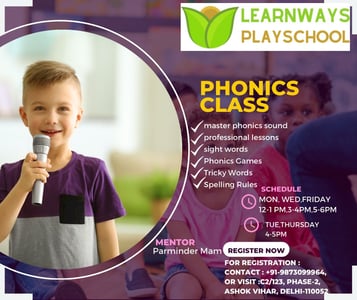
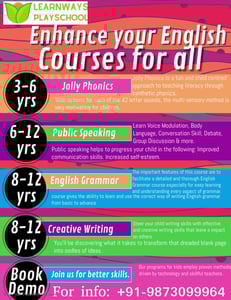
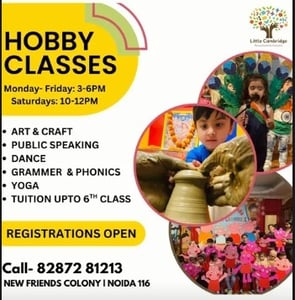
Phonics classes for children aged 2 to 15 offer numerous ben... Read more

.png?ReadingProgramLevel-2(AfterSchoolClasses).png&width=400&height=300&name=LotusVeda-Phonics%26ReadingProgramLevel-2(AfterSchoolClasses).png?ReadingProgramLevel-2(AfterSchoolClasses).png "Lotus Veda-After School Classes (Phonics & Reading Program Level-2)")
.jpeg?width=400&height=300&name=LITTLE%20MARSH%20MALLOWS%20%20-%20%20PHONICS%20CLASSES%20(2).jpeg "LITTLE MARSH MALLOWS - PHONICS CLASSES")


.jpeg?width=400&height=300&name=WhatsApp%20Image%202025-11-07%20at%2011.23.56%20AM%20(1).jpeg "Lotus Veda-After-School Phonics Club")

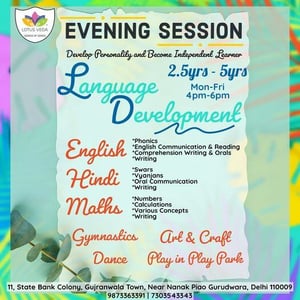


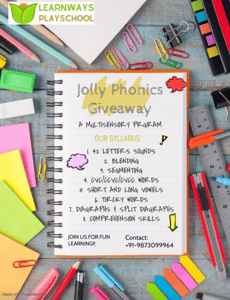
.png?width=400&height=300&name=image%20(34).png "Minion Minds Preschool-Create Magical Masterpieces")
.jpg?width=400&height=300&name=IMG-20250320-WA0006%20(1).jpg "Let's Talk : Speech & Drama Programme")


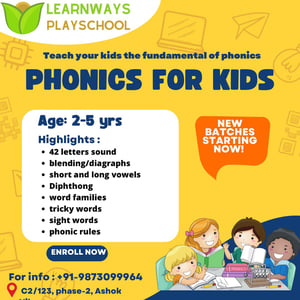
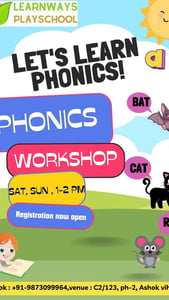
Why Are Phonics Classes Important for Kids?
Phonics classes for kids provide a structured approach to learning the relationship between letters and sounds, helping children develop strong reading and language skills. Through interactive activities such as letter-sound recognition, blending, decoding, word formation, and storytelling exercises, children build a solid foundation for literacy. This detailed guide is featured on BeeBuddy to help parents discover the best Phonics classes for kids near them.
Kids’ Phonics programs enhance pronunciation, vocabulary, reading fluency, and comprehension. Engaging exercises improve listening skills, cognitive development, and confidence in language usage. Parents can explore trusted Phonics classes and experienced instructors listed on BeeBuddy to find safe and effective programs that support early literacy development.
Advantages of Phonics Classes for Kids
- Improves Reading Skills: Teaches children to decode words and read fluently.
- Enhances Vocabulary: Builds word recognition and comprehension.
- Boosts Pronunciation: Improves clarity in speaking and articulation.
- Strengthens Cognitive Development: Encourages memory, attention, and problem-solving.
- Builds Confidence: Mastery of reading skills enhances self-esteem.
- Supports Academic Growth: Provides a strong foundation for language and literacy learning.
- Encourages Active Learning: Interactive exercises keep children engaged and motivated.
- Improves Listening Skills: Develops auditory discrimination and sound recognition.
- Promotes Long-Term Literacy: Helps children become confident and independent readers.
FAQs
- What age can children start Phonics classes?
Many programs accept children from 3–5 years onwards, depending on readiness. - Do kids need prior reading experience?
No, beginner classes start with the fundamentals of letter sounds and word formation. - How often should children attend Phonics classes?
Most programs recommend 2–3 sessions per week for consistent progress. - Are Phonics classes suitable for children struggling with reading?
Yes, classes provide personalized attention and exercises to support every learner. - Where can parents find the best Phonics classes near them?
Parents can explore BeeBuddy to discover and compare trusted Phonics classes in their locality.
Conclusion
Phonics classes for kids nurture reading, language skills, and confidence in a structured and interactive environment. With expert guidance and regular practice, children develop strong literacy foundations that support academic success and lifelong learning. BeeBuddy makes it easy for parents to find reliable and enriching Phonics classes that help their child become a confident and fluent reader.