
 Summer Camp
 Reading Writing
 Book Club
 Calligraphy
 Creative Writing
 English Speaking
 Handwriting
 Library
 Phonics
 Story Telling
 Art and Craft
 Clay Moulding
 Drawing
 Painting
 Pottery
 Sketching
 Drama Theatre
 Personality Development
 Public Speaking
 Languages
 Arabic
 Chinese
 French
 German
 Hindi
Hindi Italian
 Japanese
 Korean
 Persian
 Portuguese
 Russian
 Spanish
 Turkish
 Uzbek
Uzbek Sports and Fitness
 Aerobics
 Athletics
 Badminton
 Basket Ball
 Chess
Chess Cricket
 Football
 Golf
Golf Gymnastics
 Hulahoop
 Karate
 Martial Arts
 Pickleball
 Rugby
Rugby Skating
 Swimming
 Taekwondo
 Tennis
 Volleyball
 Yoga
Yoga Zumba
Zumba Tuition Classes
 Accounts
 Biology
 Business Studies
 CBSE
CBSE Chemistry
 Commerce
 Economics
 Homework Classes
 IB Board
 IGCSE
IGCSE Mathematics
 Physics
 Psychology
 Science
 Social Studies
 Vedic Maths
 Dance and Music
 Ballet
 Bhangra
 Bharatnatyam
 Bollywood Dance
 Casio
Casio Dandiya and Garba
 Drums
Drums Flute
Flute Guitar
 Harmonium
 Hip Hop
 Jazz
Jazz Kathak
 Keyboard
 Piano
Piano Salsa
Salsa Shlokas
 Sitar
Sitar Tabla
Tabla Ukulele
 Violin
 Vocal
Vocal Play School
 STEM
STEM
 Abacus
 App Development
 Artificial intelligence
 Basic Computer Courses
 Canva
Canva Coding
 Graphic Design
 Lego
Lego Python
 Robotics
 Rubiks Cube
 Scrabble
 Scratch
 Website Development
 Winter Camp
 Workshops
 Diwali Workshop
 Easter
 Ganesh Mahotsav
 Guru Nanak Jayanti Workshop
 Holi
Holi Independence day workshop
 Janmashtami Workshop
 Mothers day
 Navratri Workshops
 Raksha Bandhan workshop
 Ramayana Workshop
 Spring Camp
 Valentines Day Workshops
 Festive
 Daycare
 Cooking and Food
 Spring Camp
 Contests and Competitions
 Special abled
 Republic Day Workshops
 Mela
Mela
 Mela
Mela Cognitive Development
 Mother-Toddler Program
-Jul-03-2026-06-59-25-1926-AM.webp?width=30&height=30&name=Smart_20Skills_20(2)-Jul-03-2026-06-59-25-1926-AM.webp) Smart Skills
Smart Skills
 Financial Literacy
 Mental Wellbeing
 Meditation
 Reiki
Reiki

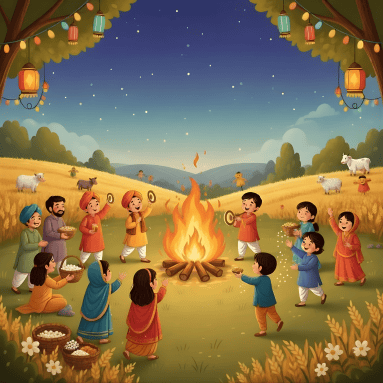
Lohri is a popular harvest festival celebrated mainly in North India, especially in Punjab, Haryana, and parts of Delhi, where it holds immense cultural and emotional significance. Observed every year in mid-January, typically on the night before Makar Sankranti, Lohri marks the end of the peak winter season and symbolically welcomes longer, warmer, and more hopeful days ahead. Families and communities gather around large bonfires, offer traditional foods such as sesame seeds, jaggery, popcorn, and peanuts, and sing folk songs that celebrate abundance and joy. It is a festival deeply rooted in gratitude for a good harvest, prayers for prosperity in the coming year, and a strong sense of togetherness that brings relatives, friends, and neighbors closer in shared celebration.
Celebrating the Harvest
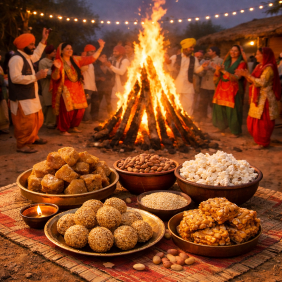
Lohri holds special importance for farmers as it signifies the harvesting of Rabi crops. The festival is a way to thank nature and the Sun for a good harvest and to pray for abundance in the coming year, ensuring that the land remains fertile and the crops continue to flourish. As families gather around the bonfire, they offer the first produce and seasonal treats to the flames as a symbolic gesture of gratitude and hope. Offerings like peanuts, popcorn, sesame seeds (til), and jaggery (gur) symbolize prosperity and nourishment, reflecting the wish that every home remains blessed with food, good health, and happiness throughout the year.
The Bonfire Ritual
The Lohri bonfire is the heart of the celebration. Families and communities gather around it, offering food and prayers, circling the flames while singing traditional songs and clapping in rhythm. As people gently toss sesame seeds, jaggery, popcorn, and peanuts into the fire, they do so with a sense of gratitude for the harvest and hope for prosperity, good health, and peace in the year ahead. Elders share blessings, children run around joyfully, and everyone takes turns walking around the fire (parikrama), silently making wishes and expressing thanks. The fire represents warmth, positivity, and the burning away of negativity, fears, and past hardships, making way for happiness, new beginnings, and growth in both personal and collective life.
Culture, Music, and Togetherness
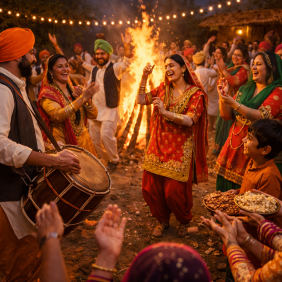
Traditional folk songs and dances like Bhangra and Gidda add joy and color to the celebrations, as people dress in vibrant traditional attire and dance energetically around the bonfire to the beat of the dhol. The rhythmic clapping, spirited singing, and lively movements create an atmosphere filled with excitement and festivity, where even onlookers are encouraged to join in and participate. Lohri strengthens social bonds as families, neighbors, and children come together to celebrate with laughter and cheer, sharing sweets, exchanging warm wishes, and visiting each other’s homes. In many communities, elders distribute gifts or money to children, who go from house to house singing Lohri songs, further deepening the sense of unity, generosity, and togetherness that lies at the heart of the festival.
Lohri’s Importance for Children
For children, Lohri is more than just a festival. It gently teaches them:
- Indian traditions and cultural values – circling the bonfire, touching elders’ feet, listening to folk tales, and understanding why this festival has been celebrated for generations.
- The importance of agriculture and nature – By talking about farmers, crops, and the changing seasons, children start to understand where their food comes from.
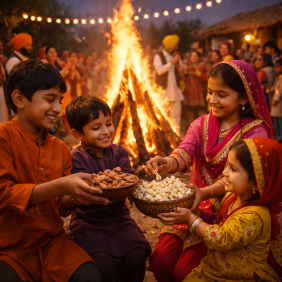
- Sharing, gratitude, and community bonding– As children go from house to house singing traditional songs and collecting treats, they learn the joy of giving and receiving.
A Festival of Hope
Overall, Lohri signifies new beginnings, hope, and thankfulness. It reminds us to appreciate nature’s gifts, celebrate togetherness, and step into the new season with positivity. It is a gentle pause in our busy lives that encourages us to look back at the months gone by with gratitude and look ahead with renewed energy, optimism, and faith. The warmth of the bonfire, the laughter shared with loved ones, and the simple act of offering seasonal foods to the fire all symbolize letting go of past worries and inviting joy, prosperity, and good health into our homes.
At BeeBuddy we believe festivals like Lohri create meaningful moments for families and help children connect with rich cultural heritage. When children participate in these rituals—whether it’s circling the bonfire, singing folk songs, or sharing sweets with friends—they don’t just enjoy a fun evening; they also learn important values like gratitude, respect for nature, and the joy of giving.
Easy Lohri Craft Ideas to Try at Home with Your Child
For Lohri craft ideas that you can do at home with your child—using simple, child-safe materials you likely already have—you can click here:
#Lohri2026 #BonfireNights #FestivalVideo #TrendingNow #FamilyCelebration #IndianFestivals
#HarvestFestival #ArtForKids #CreativeKids #LearningThroughPlay