
 Summer Camp
 Reading Writing
 Book Club
 Calligraphy
 Creative Writing
 English Speaking
 Handwriting
 Library
 Phonics
 Story Telling
 Art and Craft
 Clay Moulding
 Drawing
 Painting
 Pottery
 Sketching
 Drama Theatre
 Personality Development
 Public Speaking
 Languages
 Arabic
 Chinese
 French
 German
 Hindi
Hindi Italian
 Japanese
 Korean
 Persian
 Portuguese
 Russian
 Spanish
 Turkish
 Uzbek
Uzbek Sports and Fitness
 Aerobics
 Athletics
 Badminton
 Basket Ball
 Chess
Chess Cricket
 Football
 Golf
Golf Gymnastics
 Hulahoop
 Karate
 Martial Arts
 Pickleball
 Rugby
Rugby Skating
 Swimming
 Taekwondo
 Tennis
 Volleyball
 Yoga
Yoga Zumba
Zumba Tuition Classes
 Accounts
 Biology
 Business Studies
 CBSE
CBSE Chemistry
 Commerce
 Economics
 Homework Classes
 IB Board
 IGCSE
IGCSE Mathematics
 Physics
 Psychology
 Science
 Social Studies
 Vedic Maths
 Dance and Music
 Ballet
 Bhangra
 Bharatnatyam
 Bollywood Dance
 Casio
Casio Dandiya and Garba
 Drums
Drums Flute
Flute Guitar
 Harmonium
 Hip Hop
 Jazz
Jazz Kathak
 Keyboard
 Piano
Piano Salsa
Salsa Shlokas
 Sitar
Sitar Tabla
Tabla Ukulele
 Violin
 Vocal
Vocal Play School
 STEM
STEM
 Abacus
 App Development
 Artificial intelligence
 Basic Computer Courses
 Canva
Canva Coding
 Graphic Design
 Lego
Lego Python
 Robotics
 Rubiks Cube
 Scrabble
 Scratch
 Website Development
 Winter Camp
 Workshops
 Diwali Workshop
 Easter
 Ganesh Mahotsav
 Guru Nanak Jayanti Workshop
 Holi
Holi Independence day workshop
 Janmashtami Workshop
 Mothers day
 Navratri Workshops
 Raksha Bandhan workshop
 Ramayana Workshop
 Spring Camp
 Valentines Day Workshops
 Festive
 Daycare
 Cooking and Food
 Spring Camp
 Contests and Competitions
 Special abled
 Republic Day Workshops
 Mela
Mela
 Mela
Mela Cognitive Development
 Mother-Toddler Program
-Jul-03-2026-06-59-25-1926-AM.webp?width=30&height=30&name=Smart_20Skills_20(2)-Jul-03-2026-06-59-25-1926-AM.webp) Smart Skills
Smart Skills
 Financial Literacy
 Mental Wellbeing
 Meditation
 Reiki
Reiki




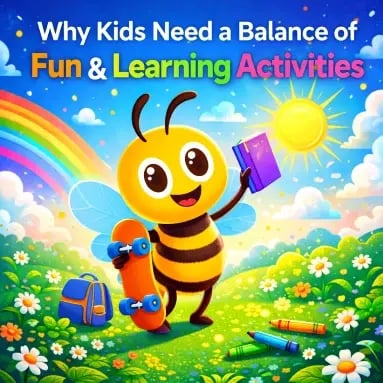
In today’s fast-paced world, kids are often shuttled between school, homework, screens, and structured routines — leaving little room for creativity, fun, and self-discovery. While academic learning is essential, a child’s overall development truly blossoms when there's a healthy mix of fun and learning activities. When children are given opportunities to play, experiment, and explore their interests, they become more curious, confident, and motivated to learn on their own. Fun, play-based experiences also help kids relieve stress, build strong relationships, and understand the world around them in a more meaningful way. Instead of seeing learning as a chore, children begin to associate it with joy, discovery, and personal growth.
Let’s explore why this balance is so important and how parents can help their children thrive in both areas.
Learning Doesn’t Only Happen in Classrooms
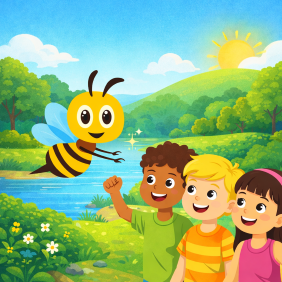
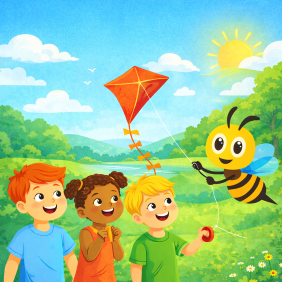
Children absorb knowledge everywhere — on the playground, while doing an art project, or even while building a Lego tower. Activities like storytelling, science experiments, role-play, or gardening teach problem-solving, communication, and observational skills that complement academic knowledge. They also boost creativity, critical thinking, and emotional awareness as children learn to ask questions, make mistakes, and try again in a safe, playful environment.
Fun Activities Help with Emotional Well-Being
Painting, music, dance, or even free play gives children a safe, healthy outlet to express themselves emotionally. These experiences help them:
- Relax and manage stress by shifting their focus
- Develop empathy and imagination as they act out different roles, and see the world from someone else’s point of view
- Build self-confidence when they try new things, and feel proud of what they’ve made or performed
Kids who regularly engage in joyful, creative activities are often happier, calmer, and more socially adaptable.
The Right Balance Builds a Lifelong Love of Learning
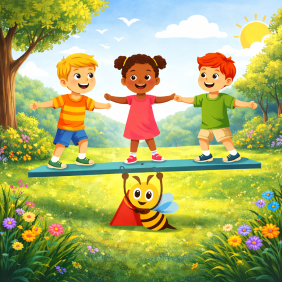
When children associate learning with fun, it transforms how they approach knowledge. Instead of feeling pressured or anxious about getting everything “right,” they become more open to experimenting, asking questions, and learning from mistakes. Whether it’s a robotics workshop, a DIY art kit, a science experiment at home, or a storytelling game, interactive experiences spark curiosity and imagination.
Physical Activities Keep the Brain Sharp
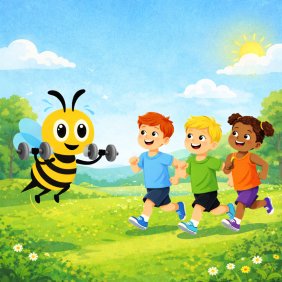
Classes like sports, dance, and yoga do more than improve physical health — they enhance focus, memory, and brain development. When children move their bodies, it increases blood flow to the brain, boosts concentration, and helps them stay alert and engaged during lessons. Physical movement also helps with better sleep, reduced anxiety, and improved classroom performance, making it easier for kids to manage emotions, handle challenges, and participate confidently in school and other activities.
Workshops and Hobby Classes Add Variety
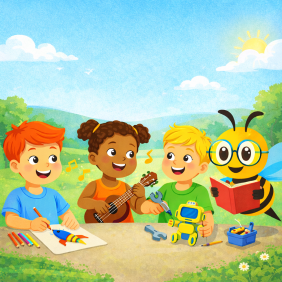
Participating in after-school programs or weekend workshops introduces children to new skills without the pressure of grades. From theatre to coding, sports to music, or art to science clubs, each activity offers a different way for kids to express themselves, solve problems, and discover what they genuinely enjoy. These experiences not only build a unique part of their personality but also help them develop confidence, teamwork, and resilience as they try new things and learn from mistakes in a low-stress environment.
How Parents Can Encourage the Balance
- Set a routine : This helps children know what to expect, while still giving them the freedom to relax, create, and follow their curiosity.
- Let them choose : whether it’s music, dance, coding, cooking, or anything else that excites them. When kids feel a sense of ownership over what they’re doing, they are more engaged and more likely to stick with it.
- Explore local options : like art classes, sports clubs, science centers, libraries, or seasonal workshops and camps. These environments expose children to new experiences, mentors, and peers who share similar interests, expanding both their skills and social circle.
- Avoid overscheduling : A good balance between planned activities and free time keeps them energized, reduces stress, and supports healthy emotional and mental development.

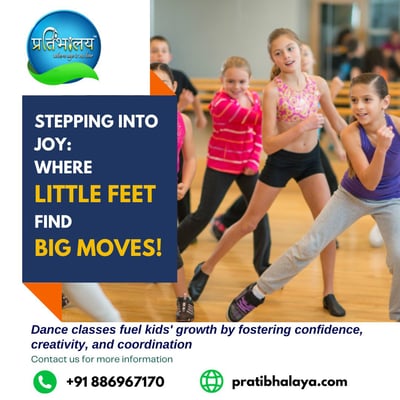

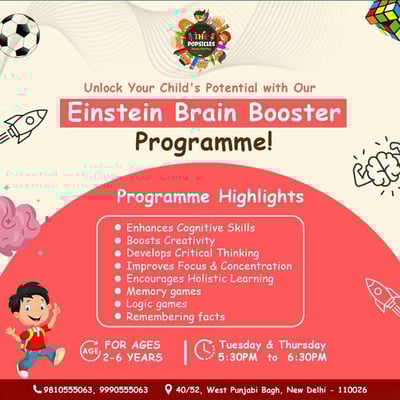
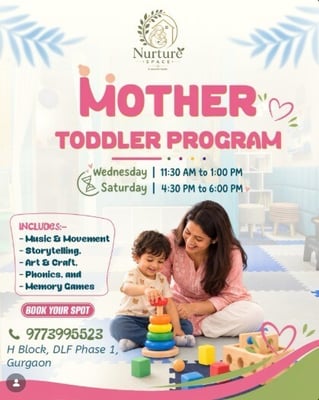
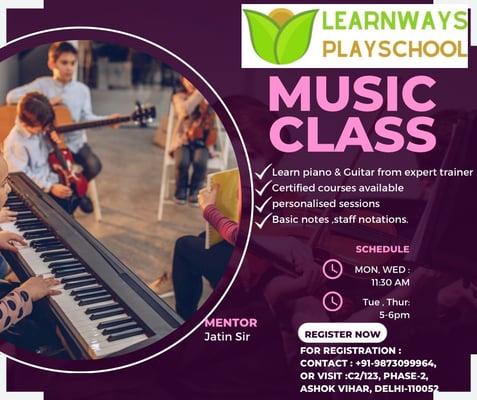
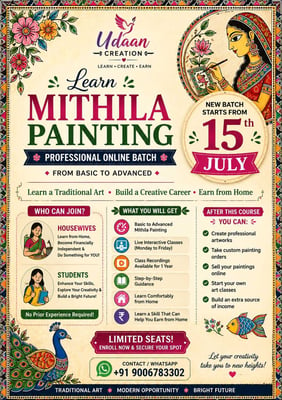
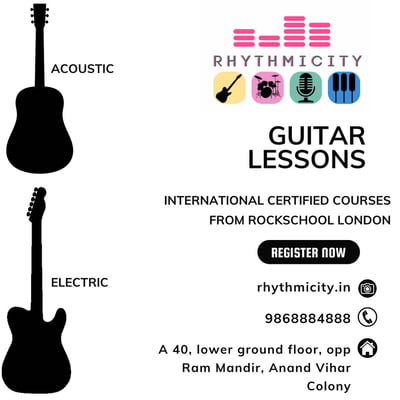

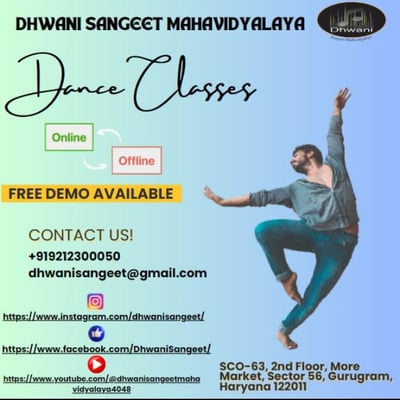
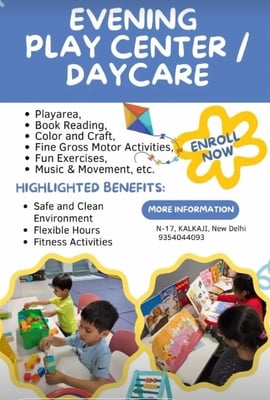



.jpeg?width=900&height=400&name=WhatsApp%20Image%202025-11-06%20at%201.44.39%20PM%20(1).jpeg "The Artistic Era-Fine Arts Classes")


.jpeg?width=900&height=400&name=Catterfly%20Art%20and%20Culture-Online%20Madhubani%20Art%20Workshop%20(2).jpeg "Catterfly Art and Culture-Madhubani Art Workshop Online")
.jpeg?width=900&height=400&name=WhatsApp%20Image%202025-11-04%20at%202.20.17%20PM%20(1).jpeg "Neetis dance studio-Ribbon Dance Batches")
.jpeg?width=900&height=400&name=WhatsApp%20Image%202026-02-06%20at%202.40.51%20PM%20(2).jpeg "Dream Dance Academy-Western dance")



.jpeg?width=900&height=400&name=start-smart-taekwondo-for-kids-(tuesday-and-thursday).jpeg "Start Smart-Taekwondo For Kids (Tuesday and Thursday)")

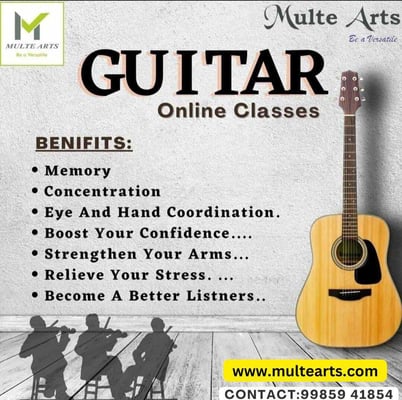

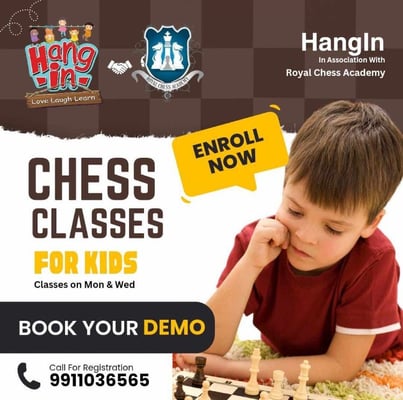
.jpeg?width=900&height=400&name=WhatsApp%20Image%202026-02-03%20at%209.32.27%20AM%20(1).jpeg "K KASHISH ACADEMY-Writing Skill Classes")
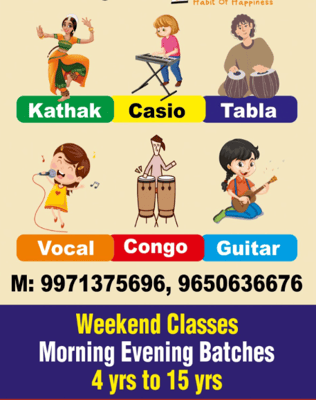
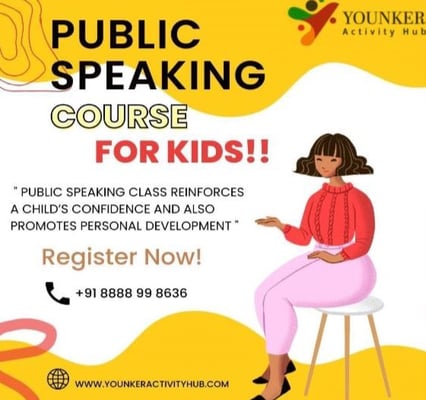
.jpeg?width=900&height=400&name=WhatsApp%20Image%202026-01-20%20at%203.03.14%20PM%20(2).jpeg "Ping pong Academy by mudit-Table Tennis Classes")
.jpeg?width=900&height=400&name=WhatsApp%20Image%202025-04-11%20at%2010.33.49%20AM%20(1).jpeg "Wisdom Point: AP Courses Admissions Open")
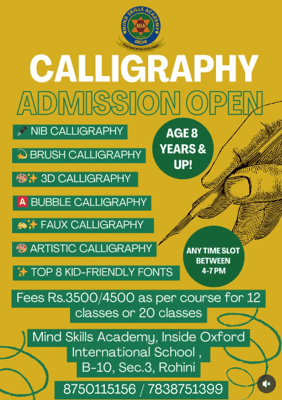
.jpeg?width=900&height=400&name=WhatsApp%20Image%202025-05-16%20at%209.11.03%20AM%20(1).jpeg "Multe Arts Calligraphy Classes")