
 Summer Camp
 Reading Writing
 Book Club
 Calligraphy
 Creative Writing
 English Speaking
 Handwriting
 Library
 Phonics
 Story Telling
 Art and Craft
 Clay Moulding
 Drawing
 Painting
 Pottery
 Sketching
 Drama Theatre
 Personality Development
 Public Speaking
 Languages
 Arabic
 Chinese
 French
 German
 Hindi
Hindi Italian
 Japanese
 Korean
 Persian
 Portuguese
 Russian
 Spanish
 Turkish
 Uzbek
Uzbek Sports and Fitness
 Aerobics
 Athletics
 Badminton
 Basket Ball
 Chess
Chess Cricket
 Football
 Golf
Golf Gymnastics
 Hulahoop
 Karate
 Martial Arts
 Pickleball
 Rugby
Rugby Skating
 Swimming
 Taekwondo
 Tennis
 Volleyball
 Yoga
Yoga Zumba
Zumba Tuition Classes
 Accounts
 Biology
 Business Studies
 CBSE
CBSE Chemistry
 Commerce
 Economics
 Homework Classes
 IB Board
 IGCSE
IGCSE Mathematics
 Physics
 Psychology
 Science
 Social Studies
 Vedic Maths
 Dance and Music
 Ballet
 Bhangra
 Bharatnatyam
 Bollywood Dance
 Casio
Casio Dandiya and Garba
 Drums
Drums Flute
Flute Guitar
 Harmonium
 Hip Hop
 Jazz
Jazz Kathak
 Keyboard
 Piano
Piano Salsa
Salsa Shlokas
 Sitar
Sitar Tabla
Tabla Ukulele
 Violin
 Vocal
Vocal Play School
 STEM
STEM
 Abacus
 App Development
 Artificial intelligence
 Basic Computer Courses
 Canva
Canva Coding
 Graphic Design
 Lego
Lego Python
 Robotics
 Rubiks Cube
 Scrabble
 Scratch
 Website Development
 Winter Camp
 Workshops
 Diwali Workshop
 Easter
 Ganesh Mahotsav
 Guru Nanak Jayanti Workshop
 Holi
Holi Independence day workshop
 Janmashtami Workshop
 Mothers day
 Navratri Workshops
 Raksha Bandhan workshop
 Ramayana Workshop
 Spring Camp
 Valentines Day Workshops
 Festive
 Daycare
 Cooking and Food
 Spring Camp
 Contests and Competitions
 Special abled
 Republic Day Workshops
 Mela
Mela
 Mela
Mela Cognitive Development
 Mother-Toddler Program
-Jul-03-2026-06-59-25-1926-AM.webp?width=30&height=30&name=Smart_20Skills_20(2)-Jul-03-2026-06-59-25-1926-AM.webp) Smart Skills
Smart Skills
 Financial Literacy
 Mental Wellbeing
 Meditation
 Reiki
Reiki



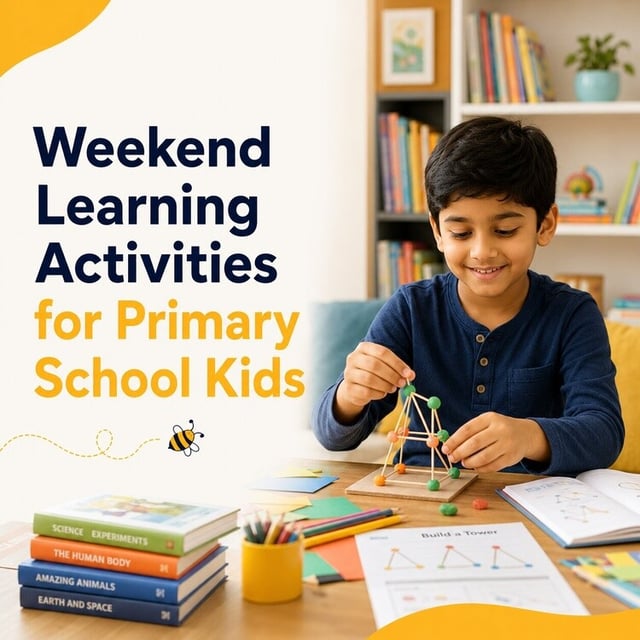
Weekend learning works when it doesn't feel like weekday extension — project-based, family-embedded, and interest-led. These activities teach without reopening the school bag.
The weekend's learning superpower is precisely that it isn't school — longer arcs, real contexts, family involvement, and zero worksheets. Guard that difference.
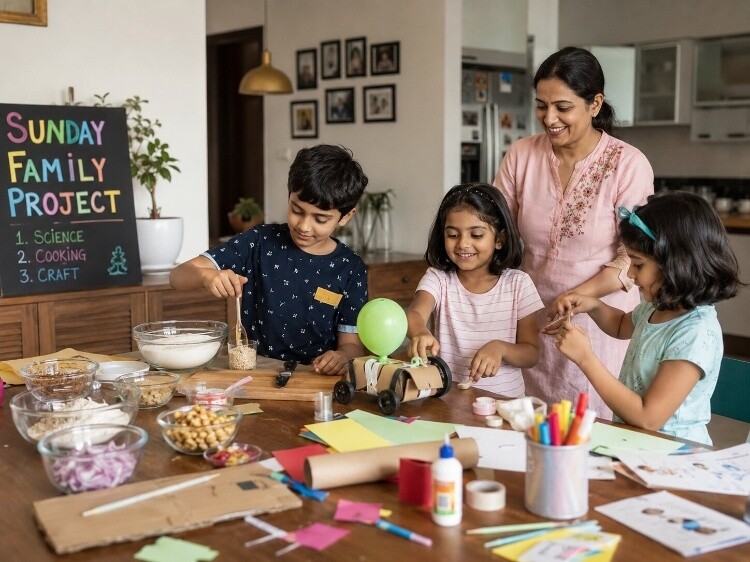
The Sunday project slot
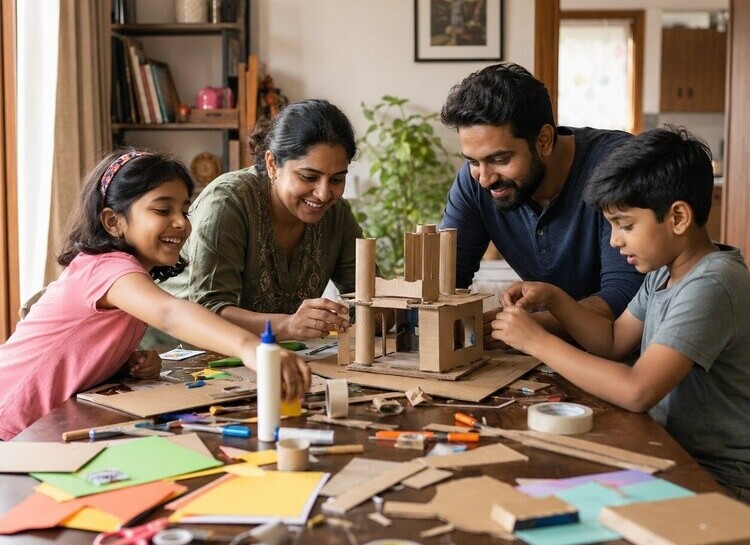
A standing 60-90 minute family project window: the science build, the cooking production, the craft campaign — weekly, anticipated, and screen-free by design.
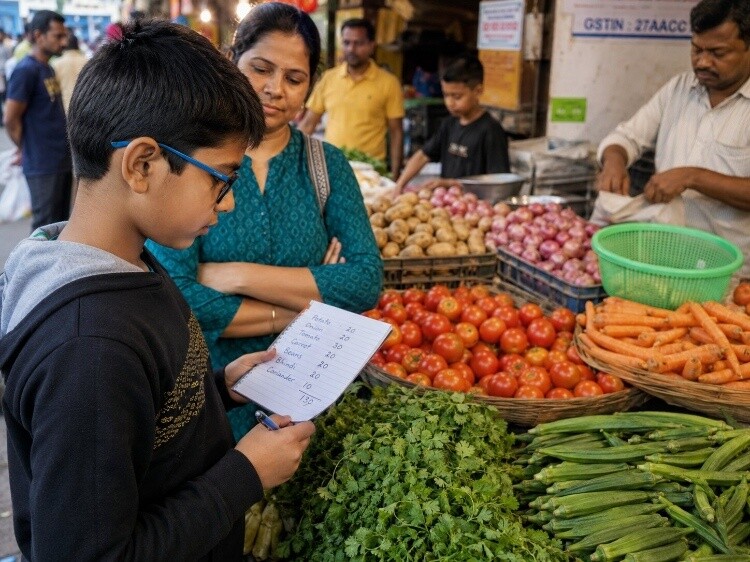
Market math expeditions
The sabzi mandi with a budget and the mental-math job — estimation, addition, and change-checking with real stakes and real vegetables.
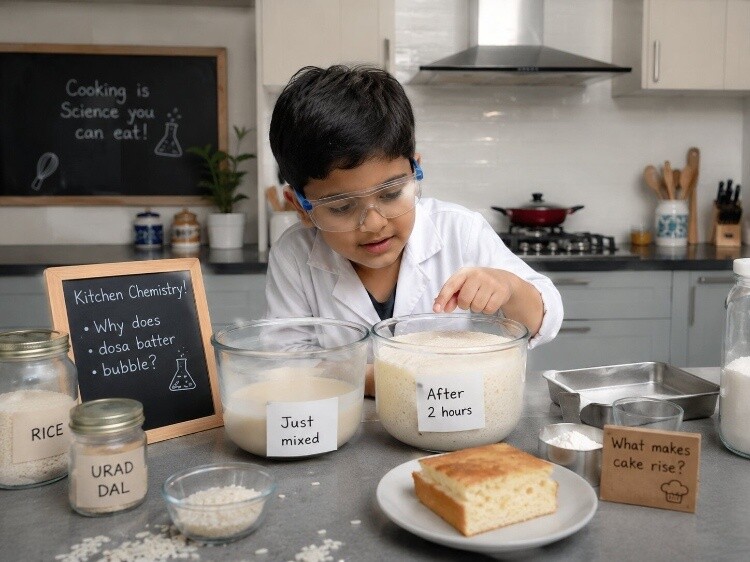
Kitchen chemistry and cooking science
Weekend cooking as lab: why the dosa batter bubbles, what makes the cake rise — recipes as experiments with edible results.
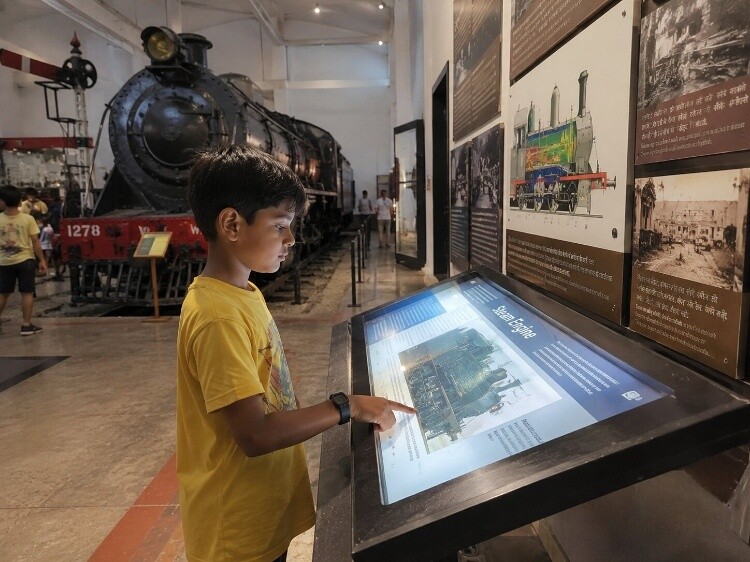
Museum and monument mornings
Delhi's genuinely rich circuit — rail museum, science centre, Qutub, crafts museum — one destination monthly, child-paced, exit-before-exhaustion.
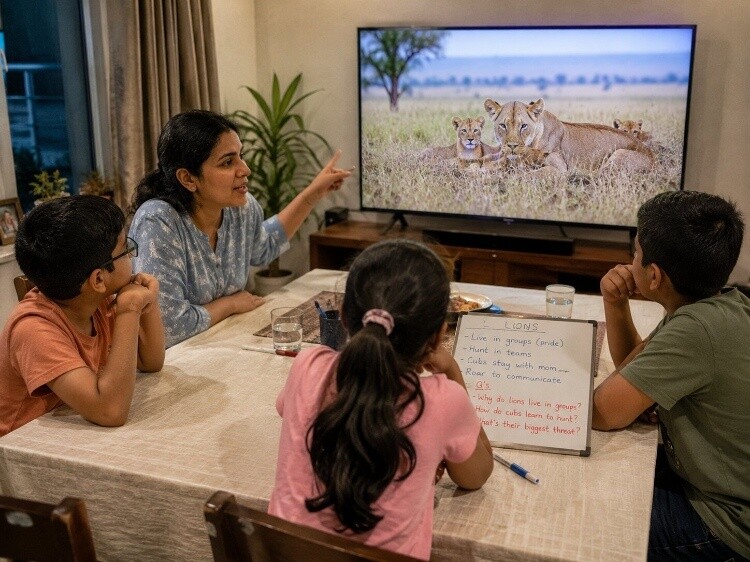
Documentary-and-discussion pairings
The nature documentary with the dinner-table debrief — screen time converted to shared learning.
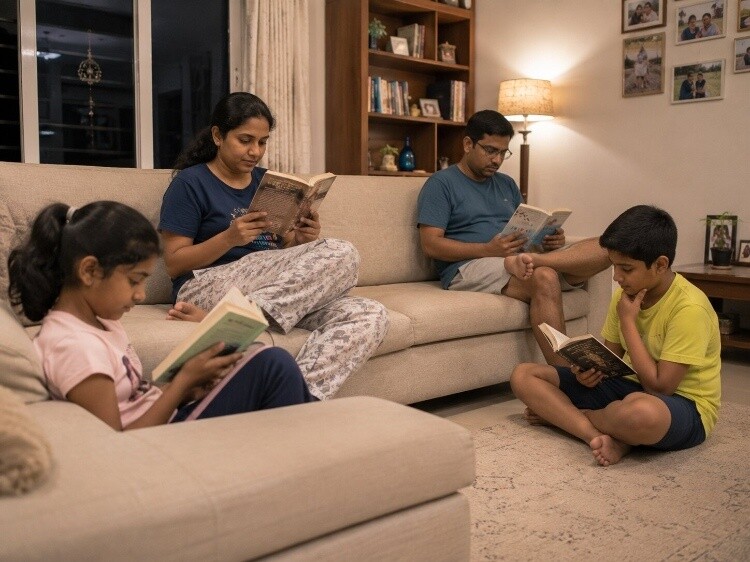
Family reading hour
Everyone, own books, same room, phones away — the culture-building ritual at its cheapest.
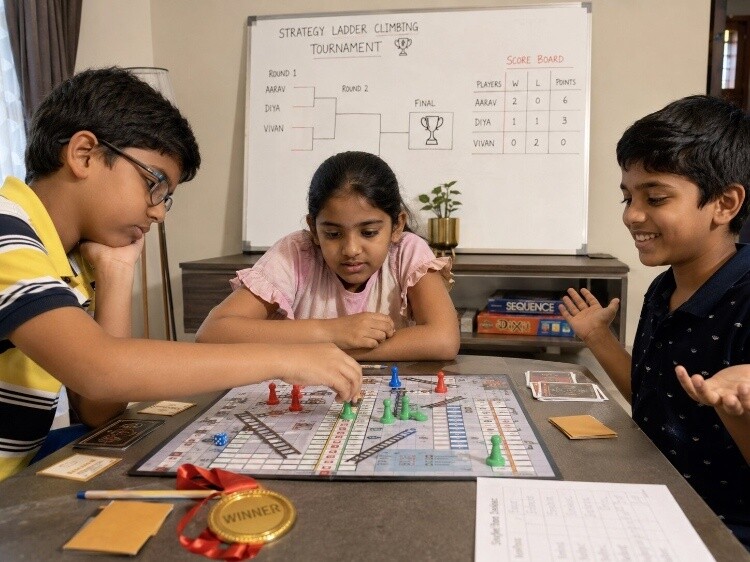
Board game tournaments
The strategy ladder climbing — planning, probability, and losing practice in tournament wrapper.
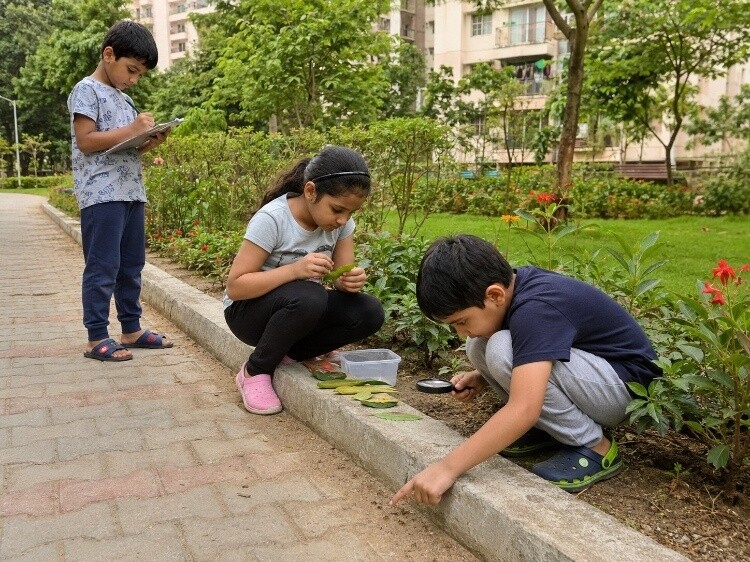
Nature and park science
The bird count, the leaf collection, the ant-following expedition — observation science in the society garden.
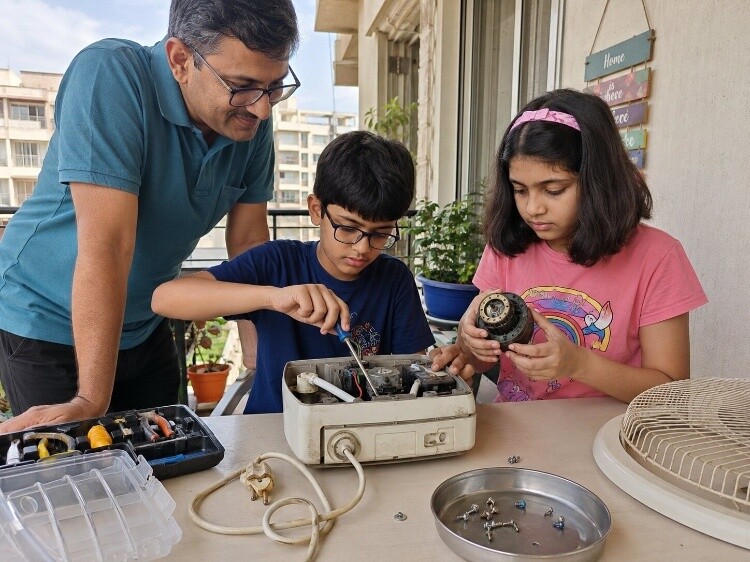
Build-and-break sessions
The old appliance (safe, unplugged, supervised) opened and explored — mechanism curiosity fed directly.
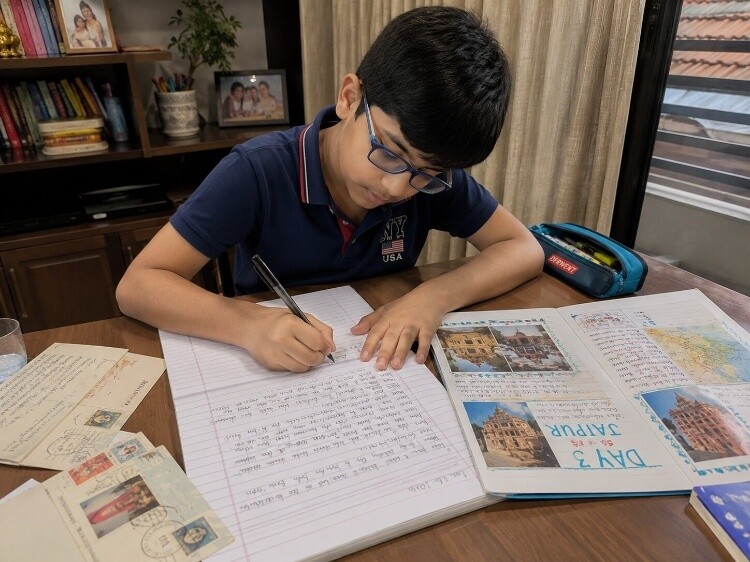
Letter and journal writing
The grandparent letter, the trip journal, the family newsletter — purposeful writing with real recipients.
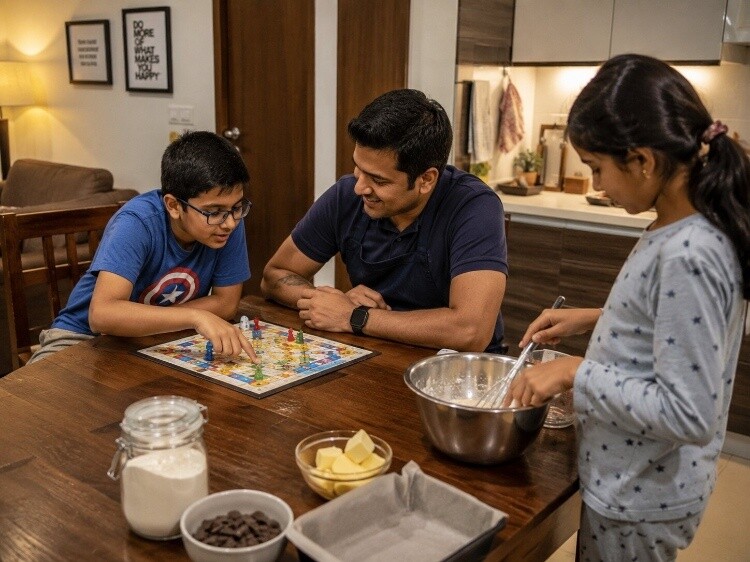
Skill-teaching swaps
Family members teaching each other something — child teaches the game, parent teaches the recipe — teaching as the deepest learning.
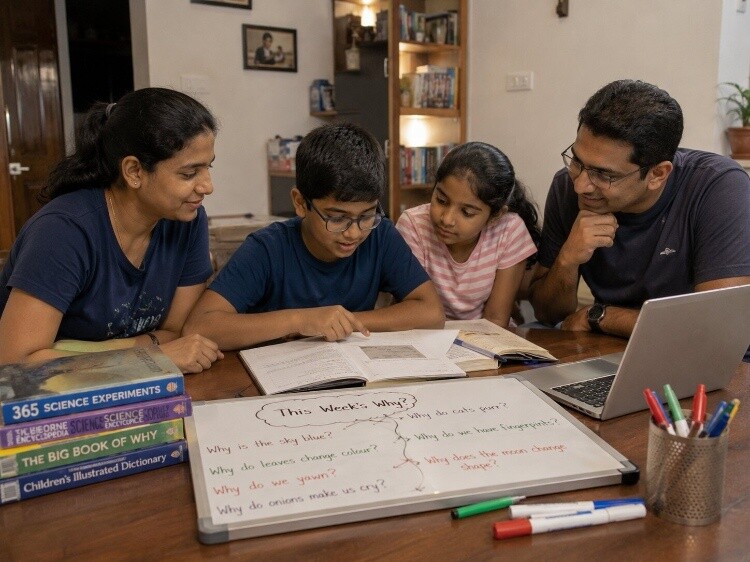
The question-chasing habit
The week's collected "why?" questions researched together — the family's standing curiosity practice.
The anti-pattern to avoid
Weekend tuition-isation — worksheets, extra drilling, school-by-another-name — spends the weekend's learning advantage on more of what the week already supplied, and children price it accordingly. Where genuine academic catch-up is needed, it earns a bounded slot; it shouldn't colonise the weekend's character.
The balance architecture
One anchor learning-flavoured activity plus generous unstructured time remains the weekend formula — the boredom windows, the park hours, and the family meals are doing developmental work too. The weekend that works is one the child would design 70% similarly.