
 Reading Writing
 Book Club
 Calligraphy
 Creative Writing
 English Speaking
 Handwriting
 Library
 Phonics
 Story Telling
 Art and Craft
 Clay Moulding
 Drawing
 Painting
 Pottery
 Sketching
 Drama Theatre
 Personality Development
 Public Speaking
 Languages
 Arabic
 Chinese
 French
 German
 Hindi
Hindi Italian
 Japanese
 Korean
 Persian
 Portuguese
 Russian
 Spanish
 Turkish
 Uzbek
Uzbek Sports and Fitness
 Aerobics
 Athletics
 Badminton
 Basket Ball
 Chess
Chess Cricket
 Football
 Golf
Golf Gymnastics
 Hulahoop
 Karate
 Martial Arts
 Pickleball
 Rugby
Rugby Skating
 Swimming
 Taekwondo
 Tennis
 Volleyball
 Yoga
Yoga Zumba
Zumba Tuition Classes
 Accounts
 Biology
 Business Studies
 CBSE
CBSE Chemistry
 Commerce
 Economics
 Homework Classes
 IB Board
 IGCSE
IGCSE Mathematics
 Physics
 Psychology
 Science
 Social Studies
 Vedic Maths
 Dance and Music
 Ballet
 Bhangra
 Bharatnatyam
 Bollywood Dance
 Casio
Casio Dandiya and Garba
 Drums
Drums Flute
Flute Guitar
 Harmonium
 Hip Hop
 Jazz
Jazz Kathak
 Keyboard
 Piano
Piano Salsa
Salsa Shlokas
 Sitar
Sitar Tabla
Tabla Ukulele
 Violin
 Vocal
Vocal Play School
 STEM
STEM
 Abacus
 App Development
 Artificial intelligence
 Basic Computer Courses
 Canva
Canva Coding
 Graphic Design
 Lego
Lego Python
 Robotics
 Rubiks Cube
 Scrabble
 Scratch
 Website Development
 Workshops
 Diwali Workshops
 Guru Nanak Jayanti Workshop
 Halloween
 Independence day workshop
 Navratri Workshops
 Raksha Bandhan workshop
 Ramayana Workshop
 Spring Camp
 Valentines Day Workshops
 Festive
 Daycare
 Cooking and Food
 Spring Camp
 Contests and Competitions
 Special abled
 Republic Day Workshops
 Mela
Mela
 Mela
Mela Cognitive Development
 Mother-Toddler Program
 Music
Music
 Dance
Dance
-Jul-03-2026-06-59-25-1926-AM.webp?width=30&height=30&name=Smart_20Skills_20(2)-Jul-03-2026-06-59-25-1926-AM.webp) Smart Skills
Smart Skills
 Financial Literacy
 Mental Wellbeing
 Meditation
 Reiki
Reiki




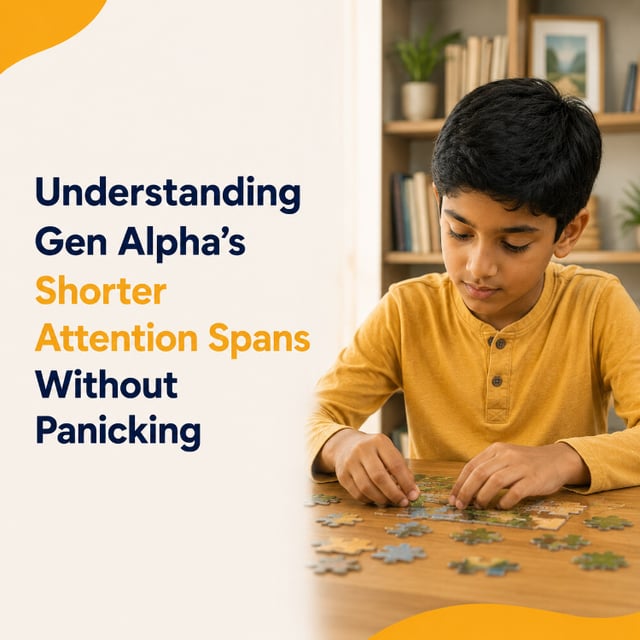
Concern about shrinking attention spans is widespread, but the actual research picture is more nuanced than alarmist headlines suggest. Here's a calibrated, non-panicked look at what's genuinely known and what parents can reasonably do.
"Attention spans are shrinking" has become such a common claim that it's worth examining what genuine research actually shows, separate from the anxiety-generating way the topic often gets discussed in parenting media and WhatsApp forwards.
What the research genuinely supports
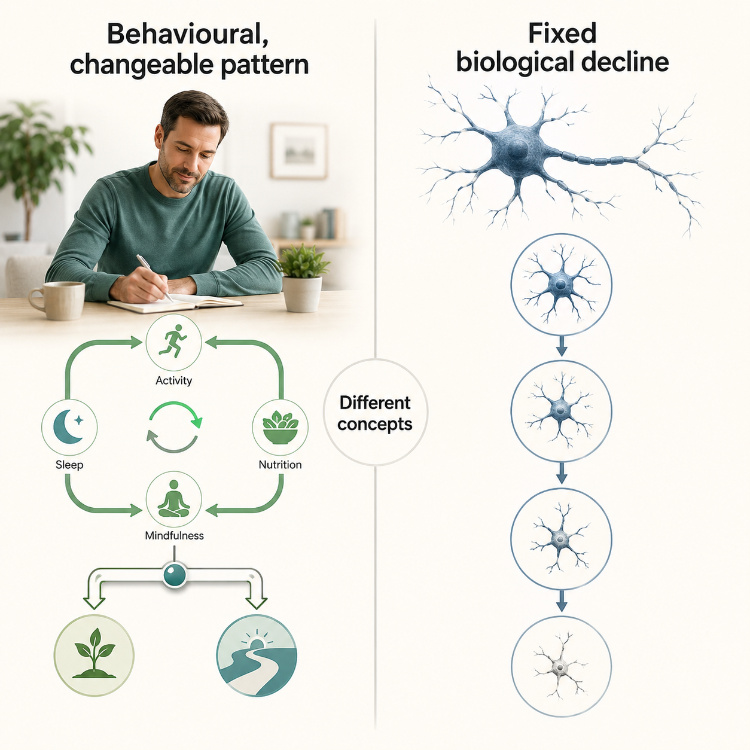
There is reasonable evidence that specific types of engagement — particularly with rapid-switching, algorithm-driven content — can affect certain measures of sustained attention and task-switching behaviour, particularly with heavy, unmanaged exposure. This is a genuinely different claim from "children's fundamental cognitive attention capacity is shrinking as a biological matter," which is a considerably less well-supported and more sensationalised version of the concern often repeated without this distinction.
Why the distinction matters practically
If the issue is fundamentally biological and irreversible, that would warrant genuine alarm; if the issue is behavioural and environmental — shaped by specific exposure patterns that families can actually influence — that's a considerably more manageable, less panic-inducing situation, and the weight of actual evidence points more toward the second explanation.

What's more accurately happening, per available evidence
Children (and adults) develop context-specific attention patterns based on what environments and content types they're most exposed to — someone heavily exposed to rapid-switching content may show reduced patience specifically for slow-paced content, without this necessarily reflecting a fundamental, irreversible change in underlying attentional capacity, which research suggests remains considerably more plastic and responsive to changed circumstances than "shrinking attention span" framing implies.
Where genuine caution remains warranted
This doesn't mean there's nothing to address — heavy, unmanaged exposure to attention-fragmenting content during critical developmental windows likely does have real effects worth taking seriously, and the practical guidance (moderate exposure, protect sustained-attention activities, model focused behaviour) remains sound regardless of exactly how the underlying mechanism is best characterised.
A calibrated response for concerned parents
Rather than either dismissing attention concerns entirely or spiralling into alarm about permanently damaged cognitive capacity, a more useful stance: treat attention-building as an active, ongoing developmental task (as it always has been, to some degree) that now requires somewhat more deliberate parental attention given a more attention-fragmenting environment than previous generations navigated, while trusting that genuine attentional capacity remains considerably more recoverable and buildable than the most alarmist framing suggests.
Practical, non-panicked steps that align with the actual evidence
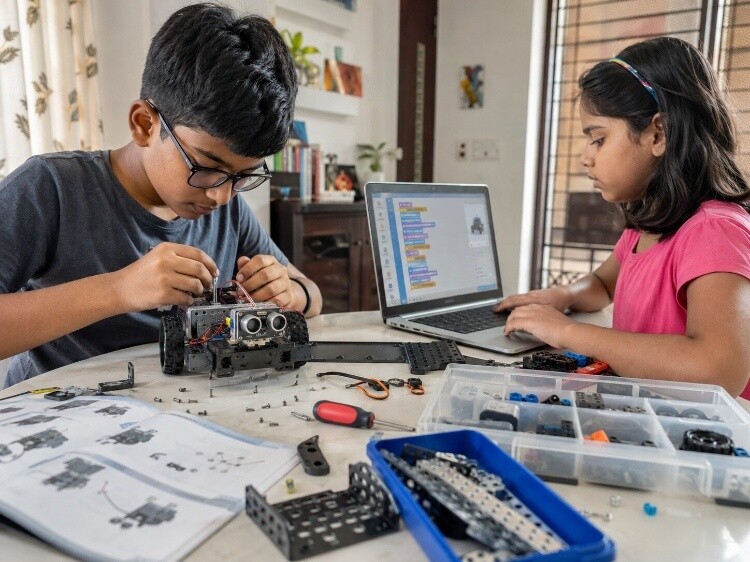
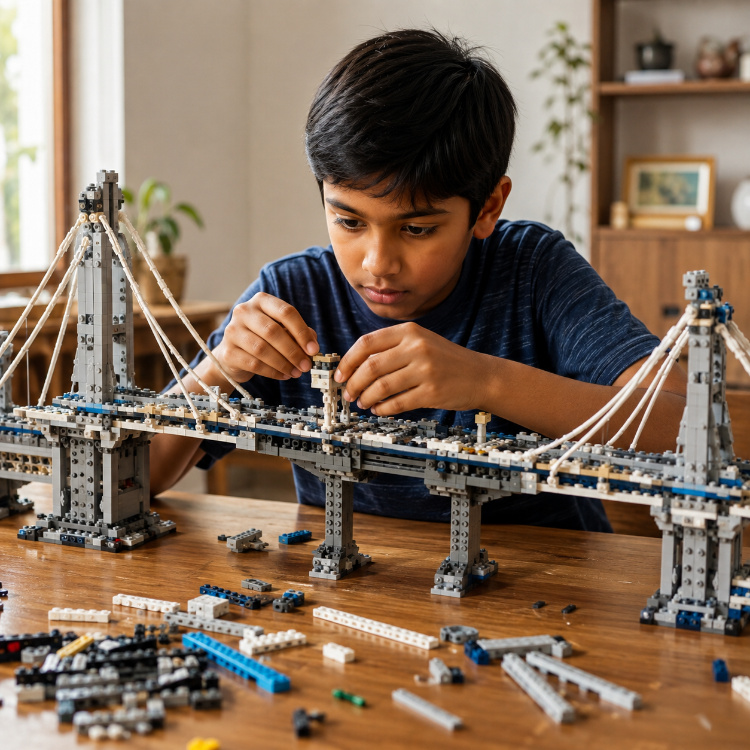
Building sustained-attention activities into regular routine (the reading, building, and focused-play activities covered elsewhere in this series), moderating specifically the rapid-content-switching type of media exposure rather than treating all screen time as equally concerning, and trusting that a child engaged in a genuinely rich, varied, attention-building environment will likely develop reasonable attentional capacity over time, without requiring either extreme restriction or resigned acceptance of decline.
The meta-point worth remembering
Much attention-span-crisis content is itself designed to generate the same rapid, anxious engagement it warns against — worth reading (including this post) with appropriate skepticism toward any single dramatic claim, and prioritising genuinely calibrated, evidence-grounded understanding over the most attention-grabbing version of the concern.