
 Reading Writing
 Book Club
 Calligraphy
 Creative Writing
 English Speaking
 Handwriting
 Library
 Phonics
 Story Telling
 Art and Craft
 Clay Moulding
 Drawing
 Painting
 Pottery
 Sketching
 Drama Theatre
 Personality Development
 Public Speaking
 Languages
 Arabic
 Chinese
 French
 German
 Hindi
Hindi Italian
 Japanese
 Korean
 Persian
 Portuguese
 Russian
 Spanish
 Turkish
 Uzbek
Uzbek Sports and Fitness
 Aerobics
 Athletics
 Badminton
 Basket Ball
 Chess
Chess Cricket
 Football
 Golf
Golf Gymnastics
 Hulahoop
 Karate
 Martial Arts
 Pickleball
 Rugby
Rugby Skating
 Swimming
 Taekwondo
 Tennis
 Volleyball
 Yoga
Yoga Zumba
Zumba Tuition Classes
 Accounts
 Biology
 Business Studies
 CBSE
CBSE Chemistry
 Commerce
 Economics
 Homework Classes
 IB Board
 IGCSE
IGCSE Mathematics
 Physics
 Psychology
 Science
 Social Studies
 Vedic Maths
 Dance and Music
 Ballet
 Bhangra
 Bharatnatyam
 Bollywood Dance
 Casio
Casio Dandiya and Garba
 Drums
Drums Flute
Flute Guitar
 Harmonium
 Hip Hop
 Jazz
Jazz Kathak
 Keyboard
 Piano
Piano Salsa
Salsa Shlokas
 Sitar
Sitar Tabla
Tabla Ukulele
 Violin
 Vocal
Vocal Play School
 STEM
STEM
 Abacus
 App Development
 Artificial intelligence
 Basic Computer Courses
 Canva
Canva Coding
 Graphic Design
 Lego
Lego Python
 Robotics
 Rubiks Cube
 Scrabble
 Scratch
 Website Development
 Workshops
 Diwali Workshops
 Guru Nanak Jayanti Workshop
 Halloween
 Independence day workshop
 Navratri Workshops
 Raksha Bandhan workshop
 Ramayana Workshop
 Spring Camp
 Valentines Day Workshops
 Festive
 Daycare
 Cooking and Food
 Spring Camp
 Contests and Competitions
 Special abled
 Republic Day Workshops
 Mela
Mela
 Mela
Mela Cognitive Development
 Mother-Toddler Program
 Music
Music
 Dance
Dance
-Jul-03-2026-06-59-25-1926-AM.webp?width=30&height=30&name=Smart_20Skills_20(2)-Jul-03-2026-06-59-25-1926-AM.webp) Smart Skills
Smart Skills
 Financial Literacy
 Mental Wellbeing
 Meditation
 Reiki
Reiki




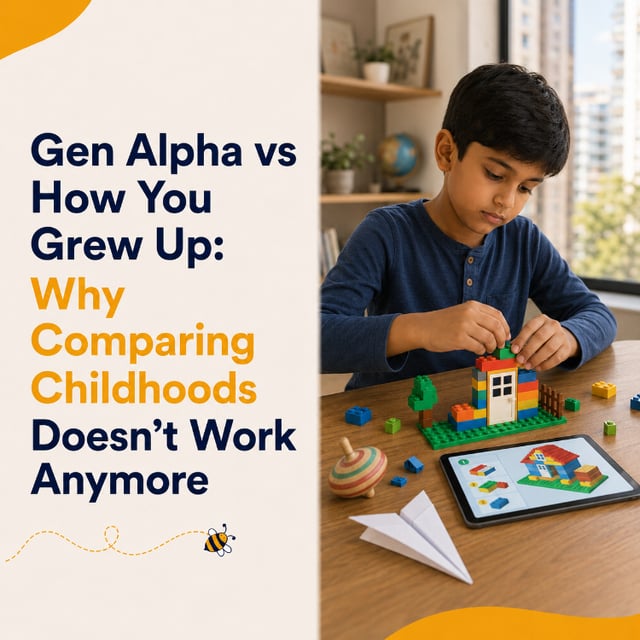
"When I was your age..." comparisons feel natural but often mislead more than they guide, given how much childhood conditions have genuinely changed. Here's why the comparison instinct needs updating, and what to use instead.
Every parent occasionally reaches for their own childhood as a reference point — it's a natural, deeply human instinct. But for Generation Alpha specifically, the comparison often breaks down in ways worth understanding explicitly, rather than unconsciously applying outdated benchmarks.
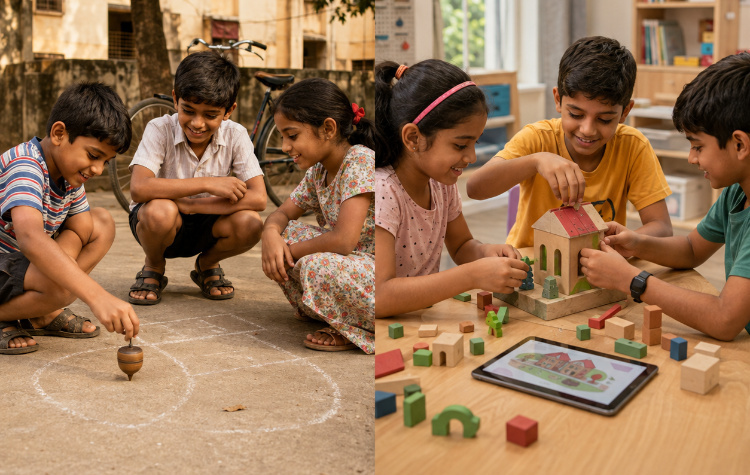
Why the comparison instinct exists, and why it's usually reasonable
Using your own childhood as a baseline generally works reasonably well across most of human history — conditions changed gradually enough that a parent's childhood experience remained a roughly useful, if imperfect, guide. This assumption is breaking down specifically now, given the pace of technological and social change over the last 15-20 years.
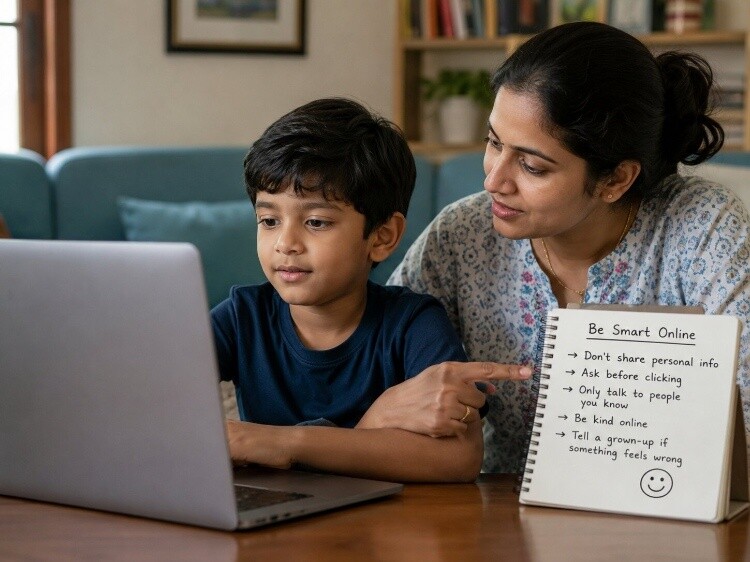
Where the comparison genuinely fails now
Information access — you likely experienced curated, limited information sources (a few TV channels, printed encyclopaedias, adult-filtered content); your child has access to unlimited information, some encountered without adult mediation, from a much younger age.
Attention and stimulation baseline — content designed for maximum engagement (short-form video, algorithmic feeds) has genuinely reshaped what "normal" stimulation levels look like for this generation, in ways that make direct attention-span comparison to your own childhood methodologically difficult, not just anecdotally different.
Social comparison scale — your childhood social comparison was largely limited to your immediate physical community (school, neighbourhood); your child's social comparison, mediated through social platforms even if they're not personally active on them yet (through older siblings, peers, or ambient exposure), operates at a scale and constancy no previous generation experienced this young.
Physical play patterns — urban density, safety perceptions, and screen alternatives have genuinely reduced unstructured outdoor free play time for many Gen Alpha children compared to previous generations, a well-documented trend across most urban global contexts, including Indian cities specifically.
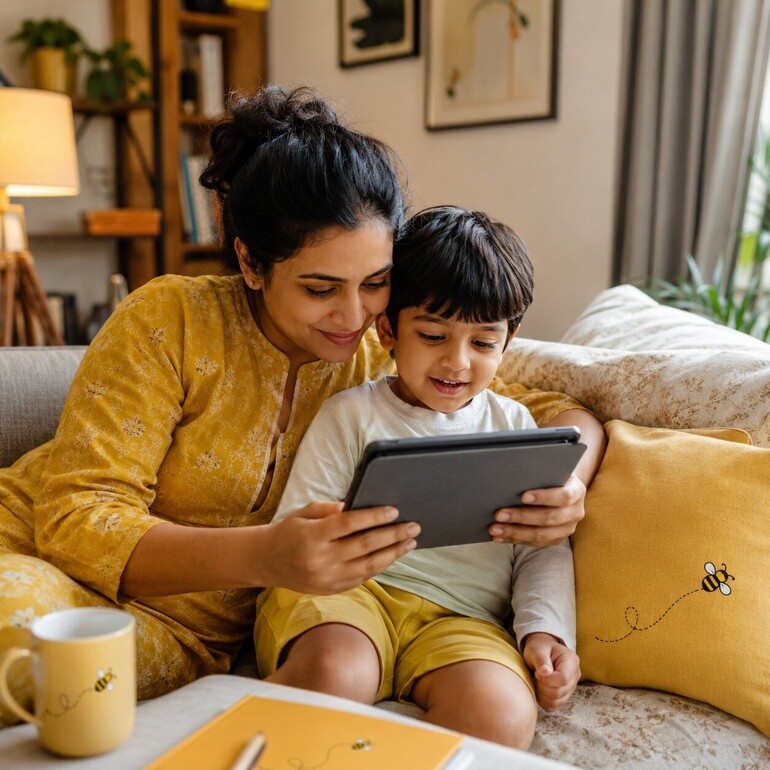
Where the comparison remains genuinely useful
Core developmental needs — secure attachment, physical activity, genuine social connection, boundaries and structure, unconditional love and support — haven't changed at all, and your own childhood experience of what made you feel secure, capable, and loved remains a genuinely valid guide for those foundational elements, even as the surface details of daily life differ enormously.
A more useful frame than direct comparison
Rather than "was this normal when I was young," a more productive question is "what does my child genuinely need developmentally, given their actual current environment" — sometimes the answer aligns with how you were raised, sometimes it requires genuinely new approaches, and the discernment between the two matters more than defaulting to either "everything's different now" or "kids are the same as ever."
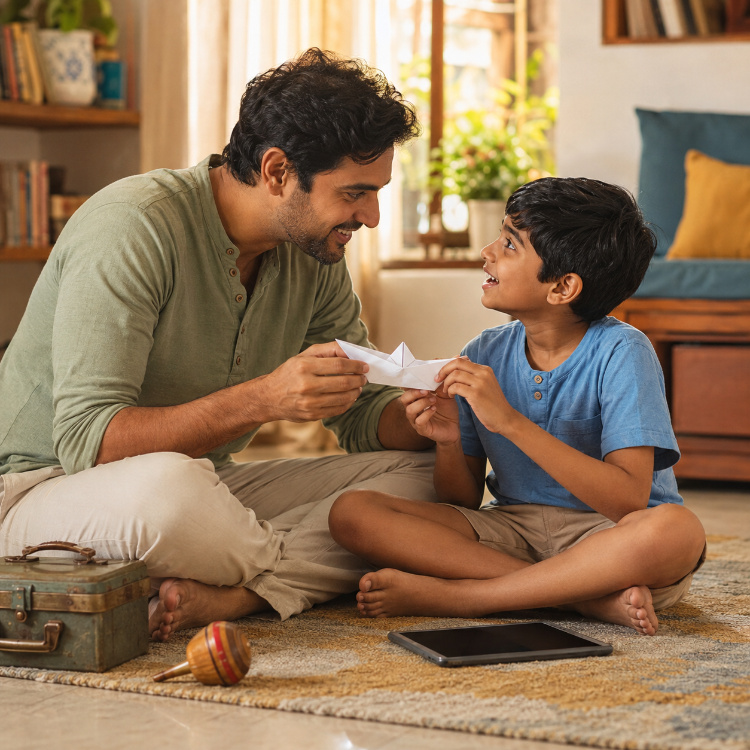
The specific trap worth naming: nostalgia bias
Memory tends to smooth over the genuine difficulties of your own childhood while amplifying its virtues — worth holding your own childhood memory with some humility rather than treating it as an objectively superior benchmark your child's current experience should match, since your own memory is itself a curated, imperfect record.
Practical application: updating your instincts deliberately
When you notice yourself reaching for a "when I was your age" comparison, pausing to ask whether the specific situation reflects a genuinely comparable circumstance or a meaningfully changed context tends to produce more useful parenting responses than either automatically applying the comparison or automatically dismissing it — the judgment itself is the skill worth building.