
 Summer Camp
 Reading Writing
 Book Club
 Calligraphy
 Creative Writing
 English Speaking
 Handwriting
 Library
 Phonics
 Story Telling
 Art and Craft
 Clay Moulding
 Drawing
 Painting
 Pottery
 Sketching
 Drama Theatre
 Personality Development
 Public Speaking
 Languages
 Arabic
 Chinese
 French
 German
 Hindi
Hindi Italian
 Japanese
 Korean
 Persian
 Portuguese
 Russian
 Spanish
 Turkish
 Uzbek
Uzbek Sports and Fitness
 Aerobics
 Athletics
 Badminton
 Basket Ball
 Chess
Chess Cricket
 Football
 Golf
Golf Gymnastics
 Hulahoop
 Karate
 Martial Arts
 Pickleball
 Rugby
Rugby Skating
 Swimming
 Taekwondo
 Tennis
 Volleyball
 Yoga
Yoga Zumba
Zumba Tuition Classes
 Accounts
 Biology
 Business Studies
 CBSE
CBSE Chemistry
 Commerce
 Economics
 Homework Classes
 IB Board
 IGCSE
IGCSE Mathematics
 Physics
 Psychology
 Science
 Social Studies
 Vedic Maths
 Dance and Music
 Ballet
 Bhangra
 Bharatnatyam
 Bollywood Dance
 Casio
Casio Dandiya and Garba
 Drums
Drums Flute
Flute Guitar
 Harmonium
 Hip Hop
 Jazz
Jazz Kathak
 Keyboard
 Piano
Piano Salsa
Salsa Shlokas
 Sitar
Sitar Tabla
Tabla Ukulele
 Violin
 Vocal
Vocal Play School
 STEM
STEM
 Abacus
 App Development
 Artificial intelligence
 Basic Computer Courses
 Canva
Canva Coding
 Graphic Design
 Lego
Lego Python
 Robotics
 Rubiks Cube
 Scrabble
 Scratch
 Website Development
 Winter Camp
 Workshops
 Diwali Workshop
 Easter
 Ganesh Mahotsav
 Guru Nanak Jayanti Workshop
 Holi
Holi Independence day workshop
 Janmashtami Workshop
 Mothers day
 Navratri Workshops
 Raksha Bandhan workshop
 Ramayana Workshop
 Spring Camp
 Valentines Day Workshops
 Festive
 Daycare
 Cooking and Food
 Spring Camp
 Contests and Competitions
 Special abled
 Republic Day Workshops
 Mela
Mela
 Mela
Mela Cognitive Development
 Mother-Toddler Program
-Jul-03-2026-06-59-25-1926-AM.webp?width=30&height=30&name=Smart_20Skills_20(2)-Jul-03-2026-06-59-25-1926-AM.webp) Smart Skills
Smart Skills
 Financial Literacy
 Mental Wellbeing
 Meditation
 Reiki
Reiki





Ages 6-8 are the extracurricular sweet spot — real skill-building capacity meets pre-competitive joy. The strategy: one or two commitments following genuine interest, sampled honestly, and scheduled against the energy budget.
The 6-8 window is when extracurriculars genuinely deliver: children can build real skills, sustain practice, and join structured groups — while the stakes stay wonderfully low.
The lanes and their offers
Sports — football, swimming, badminton, skating, martial arts, cricket academies — motor mastery, team dynamics, and the fitness foundation; the sampling-before-specialising principle still governing.
Performing arts — dance (classical and western lanes both rich in Delhi NCR), music (vocal and first instruments), theatre — performance courage, discipline-with-joy, and expressive range.
Visual arts and making — art programs, craft studios, pottery — technique entering, creative identity forming.
STEM lane — coding intros, robotics clubs, science programs — logic-building for the mechanism-minded.
Mind sports — chess above all: patience, consequence-thinking, and gracious losing at tournament-optional intensity.
Language and communication — public speaking, creative writing, and language classes where family or interest points.

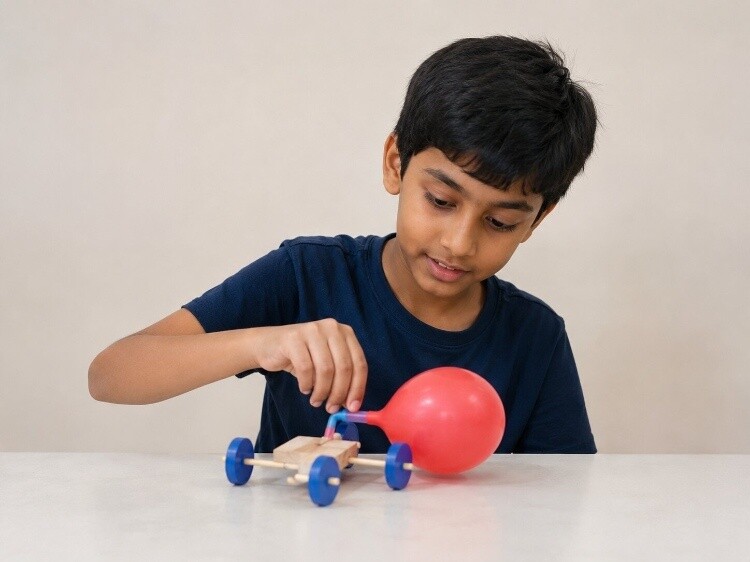
The selection algorithm, honestly
Demonstrated interest first (the child already dancing/kicking/drawing is telling you), trial classes always, coach-and-vibe over brand-and-branding (warmth, batch size, and children visibly enjoying beat facility marketing), logistics honestly weighted (the 40-minute commute kills the best class by week six), and the child's after-class face as the recurring metric.
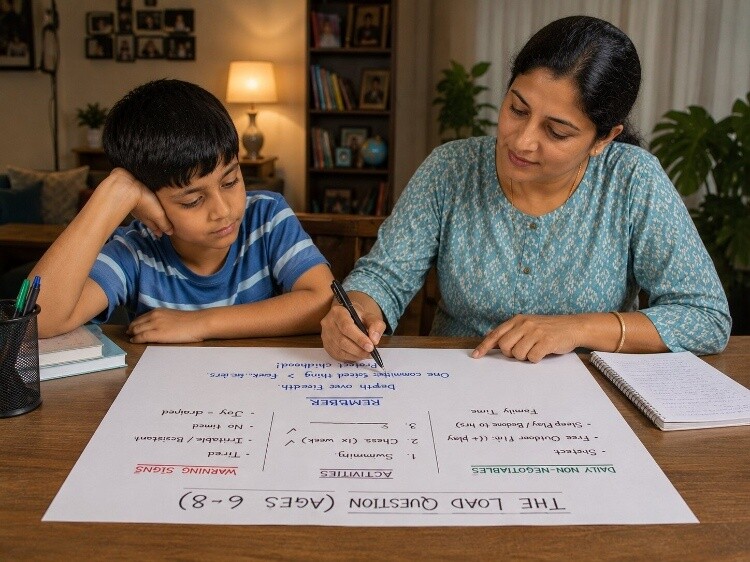
The load question at 6-8
One committed activity, two at most, alongside school — protecting the daily park hour, the boredom windows, and the sleep anchor. The over-scheduled eight-year-old presents reliably: tired, resistant, play-starved, and joy-drained on the very activities meant to enrich. Depth-over-breadth begins mattering now: a year of sustained one-thing beats four abandoned six-week samplers for both skill and satisfaction.
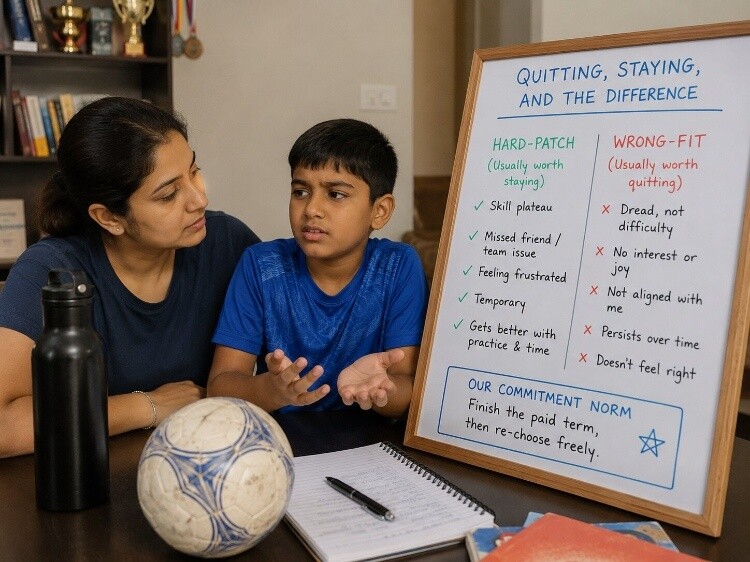
Quitting, staying, and the difference
The mid-season "I want to quit" gets diagnosed before decided: hard-patch (the skill plateau, the missed friend) usually warrants supported persistence to a natural break; wrong-fit (dread, not difficulty) warrants the graceful exit. The commitment norm that serves: finish the paid term, then re-choose freely — persistence practiced without imprisonment.
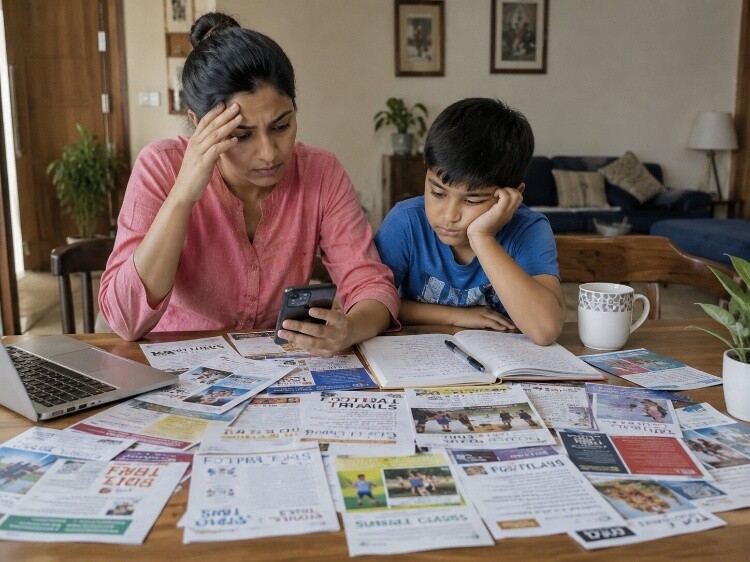
Where discovery needs help
When interest signals are unclear or options overwhelming, structured discovery beats random enrolment — this is exactly the gap activity-discovery platforms serve: filtering the local landscape by age, lane, and logistics, with trial-class pathways built in. Finding the right class shouldn't be harder than the class itself.