
 Summer Camp
 Reading Writing
 Book Club
 Calligraphy
 Creative Writing
 English Speaking
 Handwriting
 Library
 Phonics
 Story Telling
 Art and Craft
 Clay Moulding
 Drawing
 Painting
 Pottery
 Sketching
 Drama Theatre
 Personality Development
 Public Speaking
 Languages
 Arabic
 Chinese
 French
 German
 Hindi
Hindi Italian
 Japanese
 Korean
 Persian
 Portuguese
 Russian
 Spanish
 Turkish
 Uzbek
Uzbek Sports and Fitness
 Aerobics
 Athletics
 Badminton
 Basket Ball
 Chess
Chess Cricket
 Football
 Golf
Golf Gymnastics
 Hulahoop
 Karate
 Martial Arts
 Pickleball
 Rugby
Rugby Skating
 Swimming
 Taekwondo
 Tennis
 Volleyball
 Yoga
Yoga Zumba
Zumba Tuition Classes
 Accounts
 Biology
 Business Studies
 CBSE
CBSE Chemistry
 Commerce
 Economics
 Homework Classes
 IB Board
 IGCSE
IGCSE Mathematics
 Physics
 Psychology
 Science
 Social Studies
 Vedic Maths
 Dance and Music
 Ballet
 Bhangra
 Bharatnatyam
 Bollywood Dance
 Casio
Casio Dandiya and Garba
 Drums
Drums Flute
Flute Guitar
 Harmonium
 Hip Hop
 Jazz
Jazz Kathak
 Keyboard
 Piano
Piano Salsa
Salsa Shlokas
 Sitar
Sitar Tabla
Tabla Ukulele
 Violin
 Vocal
Vocal Play School
 STEM
STEM
 Abacus
 App Development
 Artificial intelligence
 Basic Computer Courses
 Canva
Canva Coding
 Graphic Design
 Lego
Lego Python
 Robotics
 Rubiks Cube
 Scrabble
 Scratch
 Website Development
 Winter Camp
 Workshops
 Diwali Workshop
 Easter
 Ganesh Mahotsav
 Guru Nanak Jayanti Workshop
 Holi
Holi Independence day workshop
 Janmashtami Workshop
 Mothers day
 Navratri Workshops
 Raksha Bandhan workshop
 Ramayana Workshop
 Spring Camp
 Valentines Day Workshops
 Festive
 Daycare
 Cooking and Food
 Spring Camp
 Contests and Competitions
 Special abled
 Republic Day Workshops
 Mela
Mela
 Mela
Mela Cognitive Development
 Mother-Toddler Program
-Jul-03-2026-06-59-25-1926-AM.webp?width=30&height=30&name=Smart_20Skills_20(2)-Jul-03-2026-06-59-25-1926-AM.webp) Smart Skills
Smart Skills
 Financial Literacy
 Mental Wellbeing
 Meditation
 Reiki
Reiki



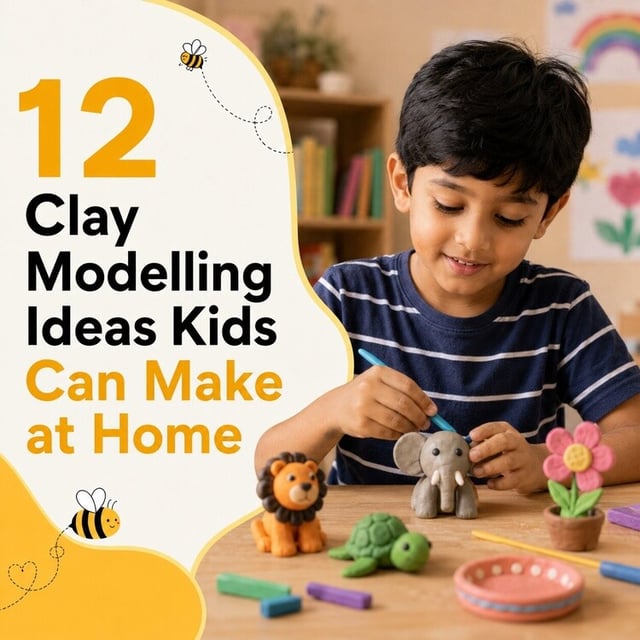
Clay modelling builds hand strength, three-dimensional thinking, and patience — these 12 ideas range from simple beginner shapes to festival-specific projects like Diwali diyas, using affordable, widely available Indian clay products.
Clay modelling offers genuine developmental benefits beyond most other craft activities — the resistance and malleability of clay build hand strength significantly, while three-dimensional creation develops spatial thinking that flat drawing or painting doesn't fully replicate.
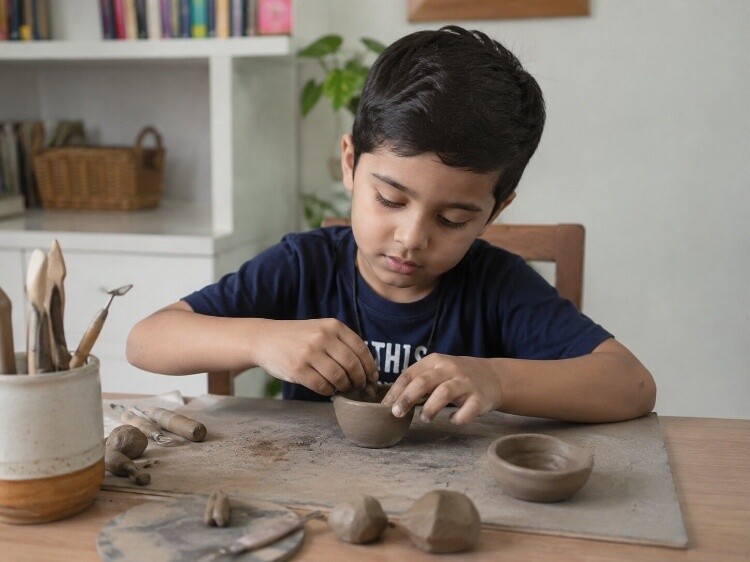
Simple pinch pot bowls
The most basic clay technique, building fundamental hand strength and control while producing a genuinely usable small object.
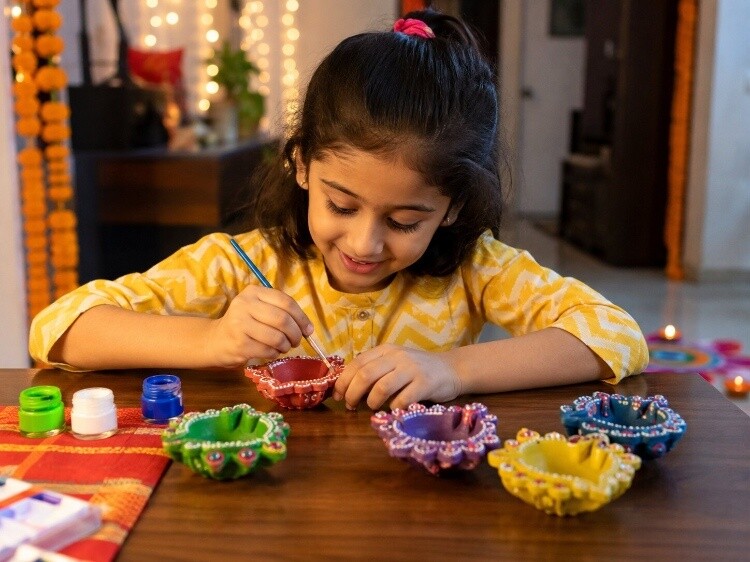
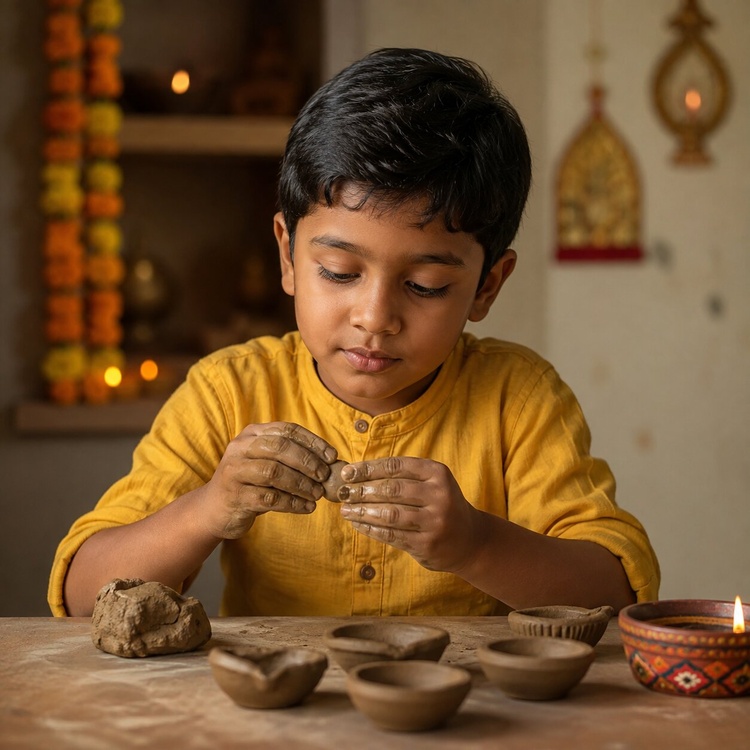
Diwali diyas, hand-shaped and decorated
A seasonally meaningful project connecting craft skill to a genuine cultural tradition, with the added satisfaction of a functional, celebration-relevant final product.
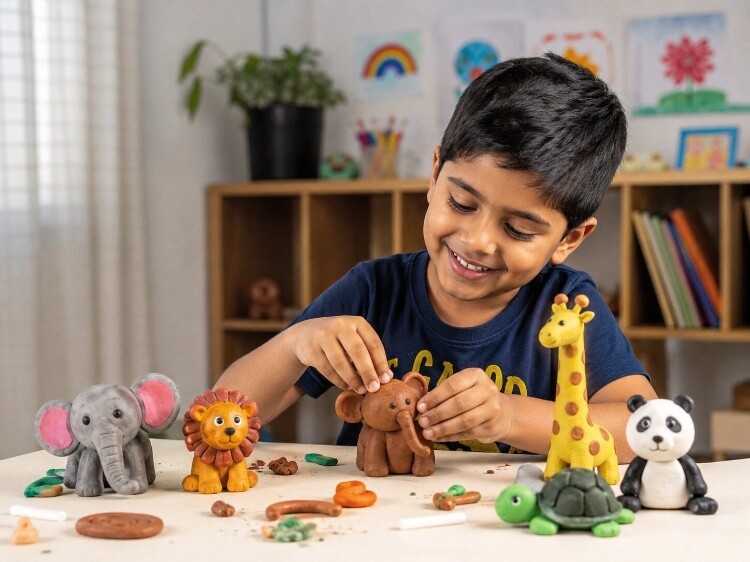
Simple animal figures built from basic shapes
Building animals from combined balls, coils, and pinched shapes teaches that complex forms break down into simple component techniques.
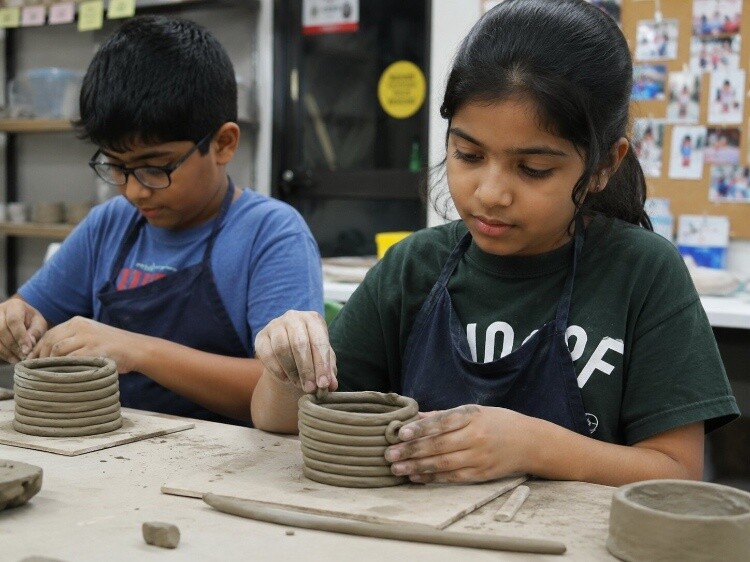
Coil pots using rolled clay ropes
A step up in technique from pinch pots, building fine motor control through rolling consistent clay coils.
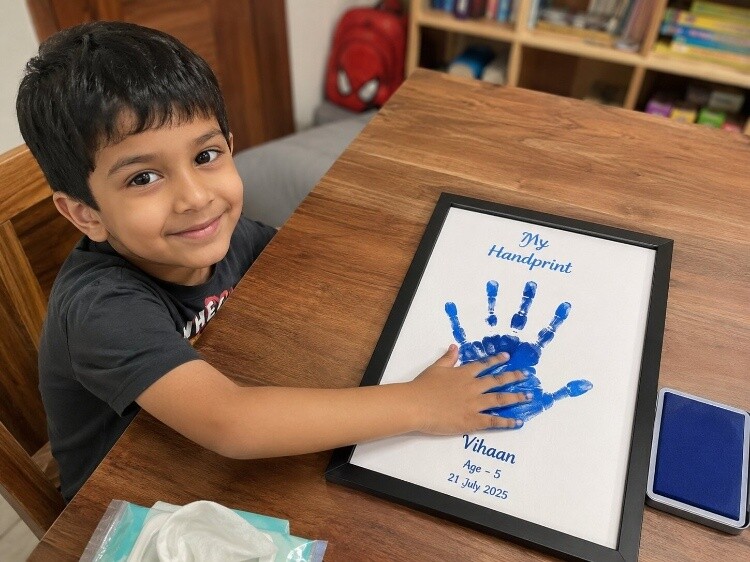
Handprint or fingerprint keepsakes
A genuinely meaningful project, especially for younger children, creating a lasting physical record of a specific age and size.
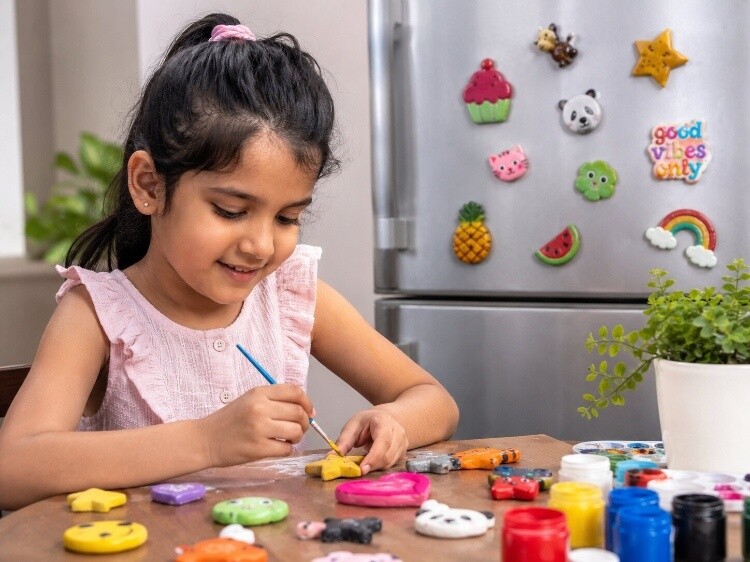
Simple fridge magnets in fun shapes
Small, quick clay projects (stars, hearts, simple animals) that produce a genuinely usable end product once dried and painted.
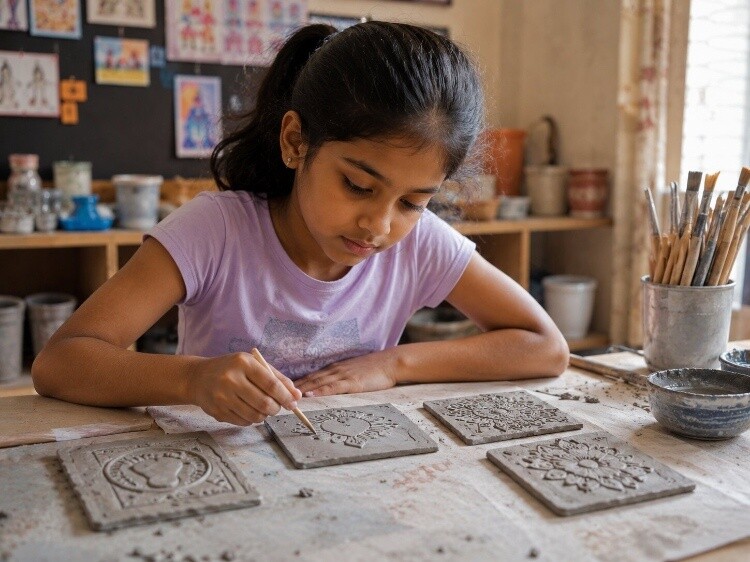
Rangoli-inspired clay tiles
Pressing simple rangoli-style patterns into flat clay tiles combines cultural art connection with clay technique.
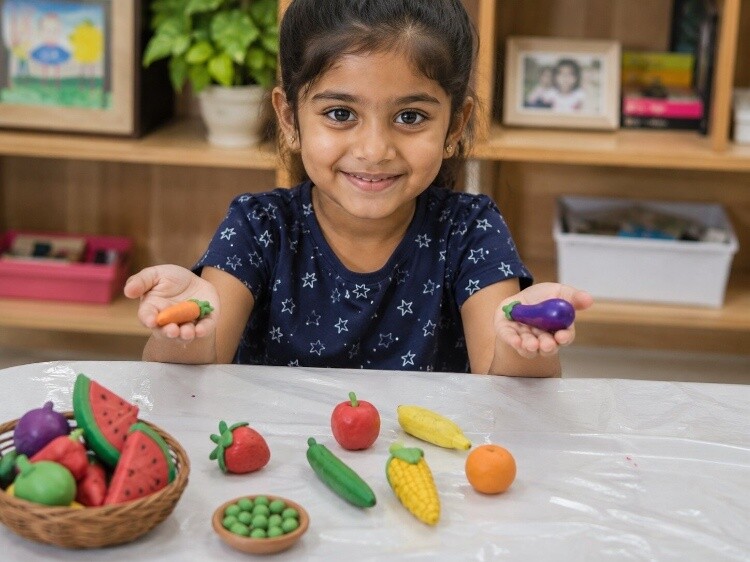
Miniature fruit or vegetable sets for pretend play
Creating simple clay fruits or vegetables extends the craft activity into genuine imaginative and pretend play value afterward.
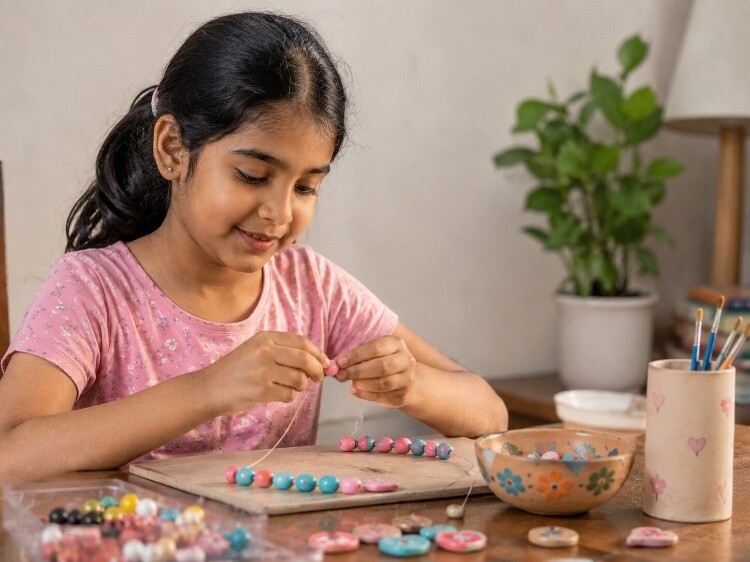
Simple jewellery — beads and pendants
For slightly older children, rolling and shaping simple clay beads (with a hole for stringing once dry) builds fine motor precision alongside a genuinely wearable end product.
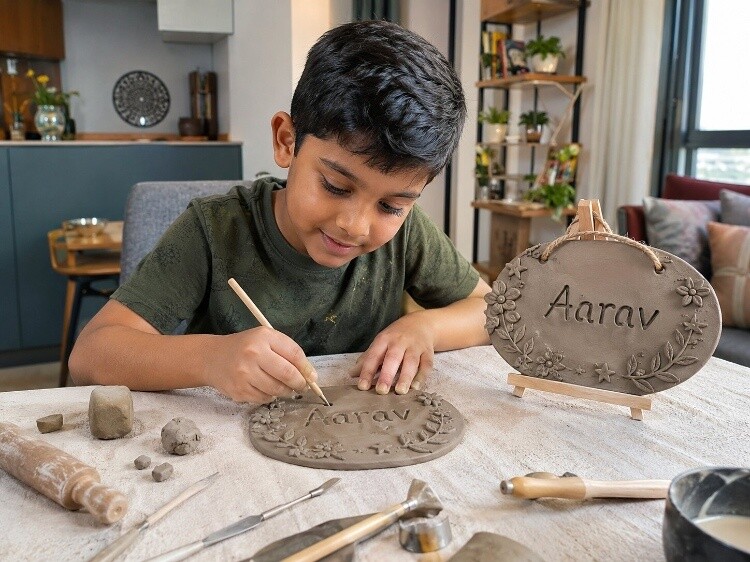
Nameplate or door hanger projects
A personalised clay nameplate combines craft skill with functional, genuinely useful household application.
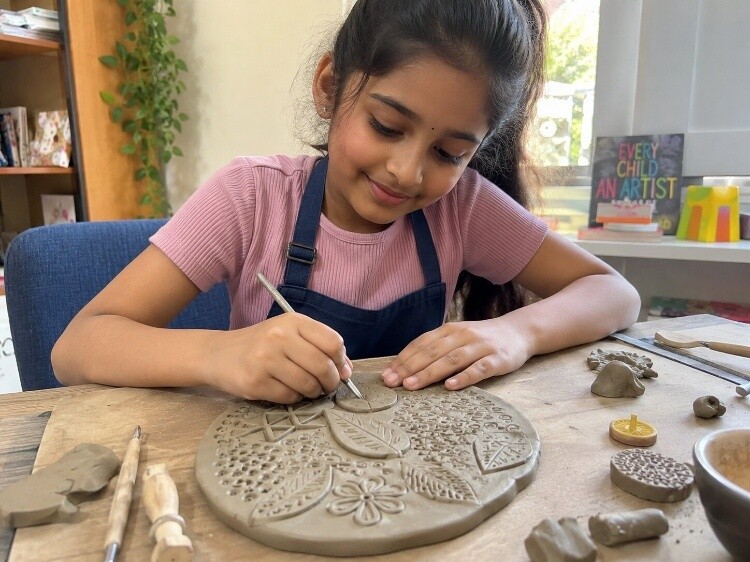
Simple relief sculptures pressed into a flat base
Pressing shapes and patterns into a flat clay base (rather than fully three-dimensional sculpture) offers an accessible middle step between flat drawing and full 3D modelling.
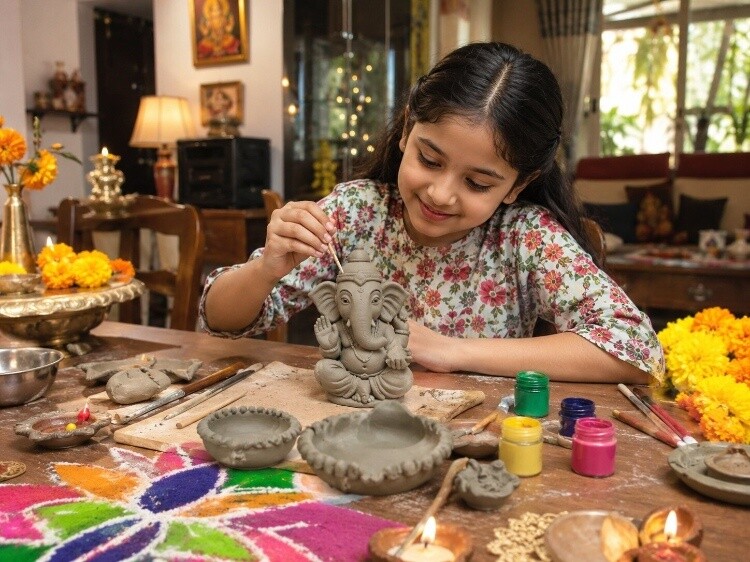
Festival-specific decorative items — Ganesha figures, rangoli bowls
Building simple, respectful representations connected to festivals offers genuine cultural engagement alongside craft skill development.
Affordable, accessible clay options for Indian households
Air-dry clay (widely available and requiring no kiln or oven) offers the most accessible entry point for home clay work, with several affordable Indian and international brands available through general craft suppliers.
The genuine patience-building value of clay work
Unlike faster activities, clay projects typically require waiting for drying time before painting or final completion — this built-in delay genuinely teaches patience and delayed gratification in a way many faster craft activities don't naturally build in.
Managing the mess and mistake tolerance clay requires
Clay work does involve genuine mess and occasional "failed" attempts (a collapsed pot, a broken piece) — approaching these moments with a "let's try again" attitude rather than frustration models resilience alongside the craft skill itself.