
 Summer Camp
 Reading Writing
 Book Club
 Calligraphy
 Creative Writing
 English Speaking
 Handwriting
 Library
 Phonics
 Story Telling
 Art and Craft
 Clay Moulding
 Drawing
 Painting
 Pottery
 Sketching
 Drama Theatre
 Personality Development
 Public Speaking
 Languages
 Arabic
 Chinese
 French
 German
 Hindi
Hindi Italian
 Japanese
 Korean
 Persian
 Portuguese
 Russian
 Spanish
 Turkish
 Uzbek
Uzbek Sports and Fitness
 Aerobics
 Athletics
 Badminton
 Basket Ball
 Chess
Chess Cricket
 Football
 Golf
Golf Gymnastics
 Hulahoop
 Karate
 Martial Arts
 Pickleball
 Rugby
Rugby Skating
 Swimming
 Taekwondo
 Tennis
 Volleyball
 Yoga
Yoga Zumba
Zumba Tuition Classes
 Accounts
 Biology
 Business Studies
 CBSE
CBSE Chemistry
 Commerce
 Economics
 Homework Classes
 IB Board
 IGCSE
IGCSE Mathematics
 Physics
 Psychology
 Science
 Social Studies
 Vedic Maths
 Dance and Music
 Ballet
 Bhangra
 Bharatnatyam
 Bollywood Dance
 Casio
Casio Dandiya and Garba
 Drums
Drums Flute
Flute Guitar
 Harmonium
 Hip Hop
 Jazz
Jazz Kathak
 Keyboard
 Piano
Piano Salsa
Salsa Shlokas
 Sitar
Sitar Tabla
Tabla Ukulele
 Violin
 Vocal
Vocal Play School
 STEM
STEM
 Abacus
 App Development
 Artificial intelligence
 Basic Computer Courses
 Canva
Canva Coding
 Graphic Design
 Lego
Lego Python
 Robotics
 Rubiks Cube
 Scrabble
 Scratch
 Website Development
 Winter Camp
 Workshops
 Diwali Workshop
 Easter
 Ganesh Mahotsav
 Guru Nanak Jayanti Workshop
 Holi
Holi Independence day workshop
 Janmashtami Workshop
 Mothers day
 Navratri Workshops
 Raksha Bandhan workshop
 Ramayana Workshop
 Spring Camp
 Valentines Day Workshops
 Festive
 Daycare
 Cooking and Food
 Spring Camp
 Contests and Competitions
 Special abled
 Republic Day Workshops
 Mela
Mela
 Mela
Mela Cognitive Development
 Mother-Toddler Program
-Jul-03-2026-06-59-25-1926-AM.webp?width=30&height=30&name=Smart_20Skills_20(2)-Jul-03-2026-06-59-25-1926-AM.webp) Smart Skills
Smart Skills
 Financial Literacy
 Mental Wellbeing
 Meditation
 Reiki
Reiki


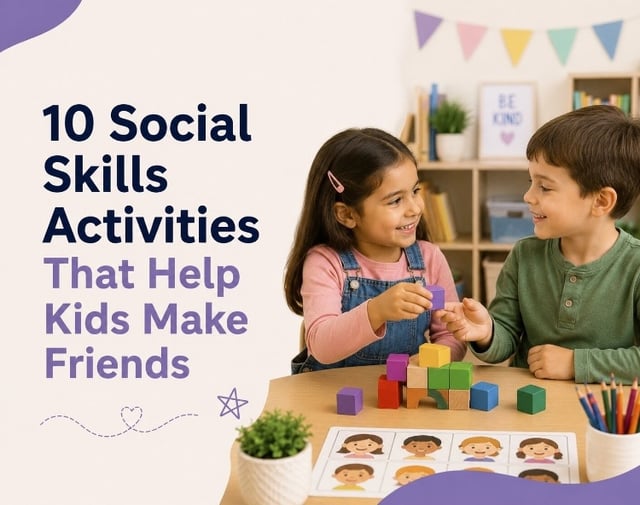
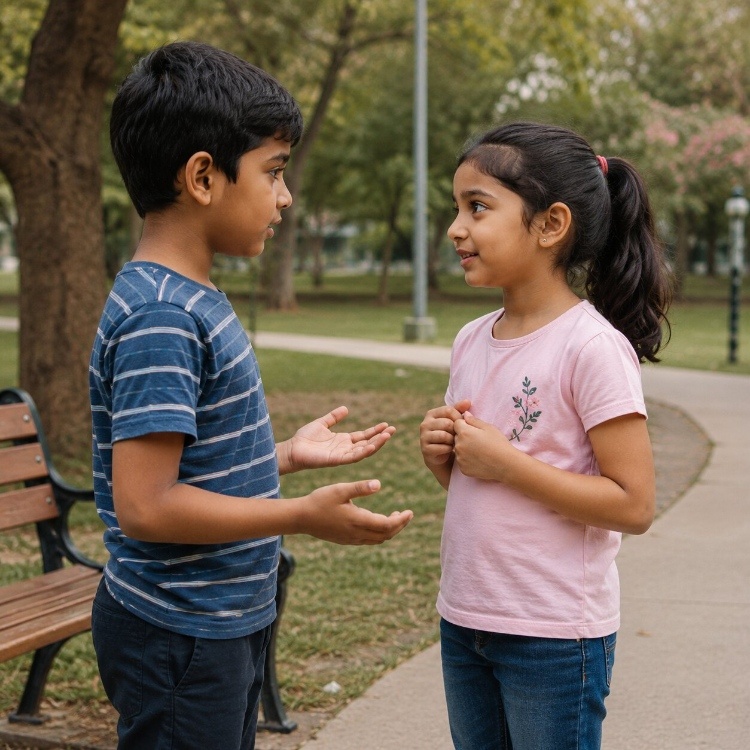
Social skills — sharing, turn-taking, reading social cues, resolving small conflicts — develop through genuine practice with peers, much of which happens naturally through park and society playtime, with some intentional support helping shy or struggling children.
Friendship-building comes more naturally to some children than others, and while much of it develops through simple, repeated peer interaction, certain activities can genuinely support children who need a bit more structured practice.
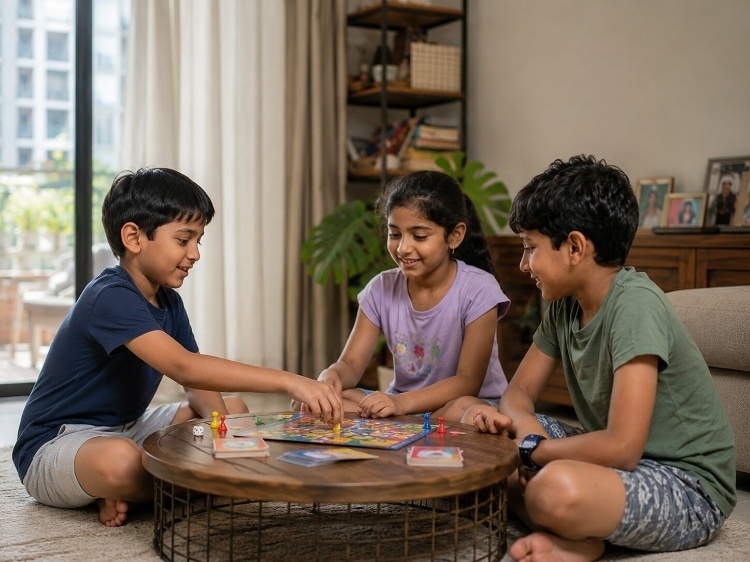
Structured playdates with clear activities
For children who find open-ended social time overwhelming, a playdate built around a specific shared activity (a craft project, a board game) provides natural structure that reduces social pressure.
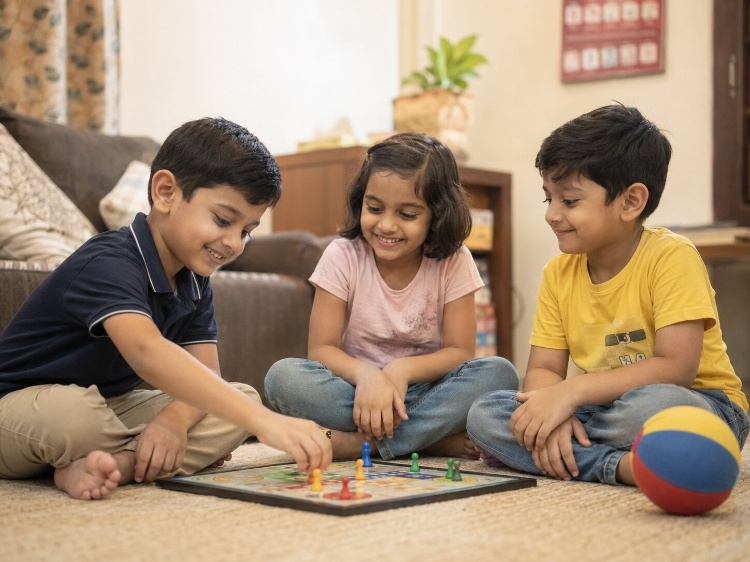
Turn-taking games and activities
Simple games explicitly requiring turn-taking (board games, ball games) build this foundational social skill through genuinely enjoyable repeated practice.
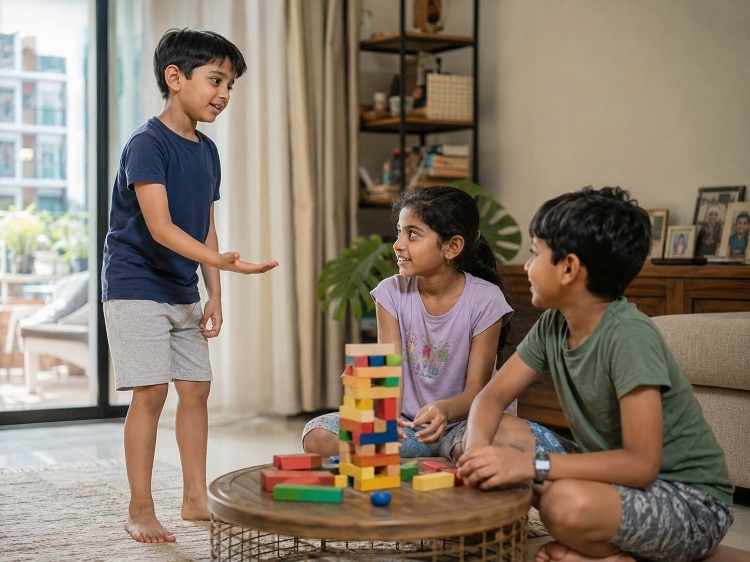
Role-playing social scenarios
Practicing common social situations ("what do you say when you want to join a game already in progress?") at home, in a low-stakes way, builds confidence for real situations.
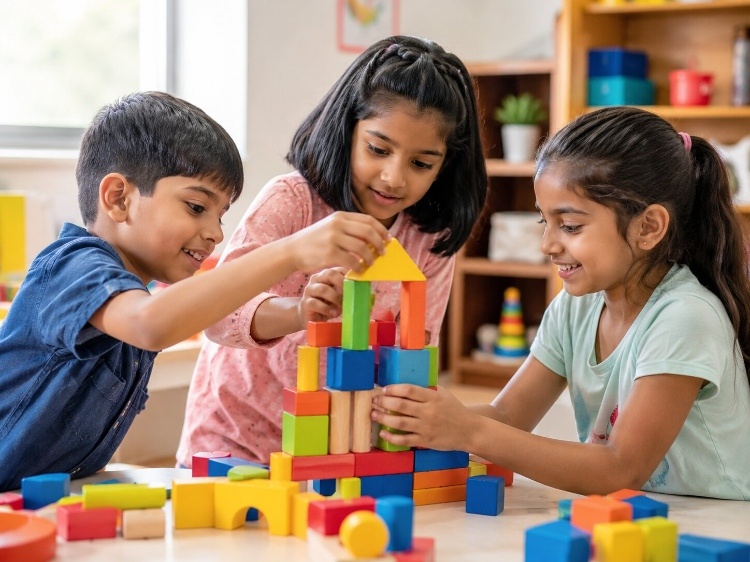
Group activities with a shared goal
Activities requiring genuine cooperation toward a shared outcome (building something together, a team game) build collaborative social skills more effectively than simply being in proximity to other children.
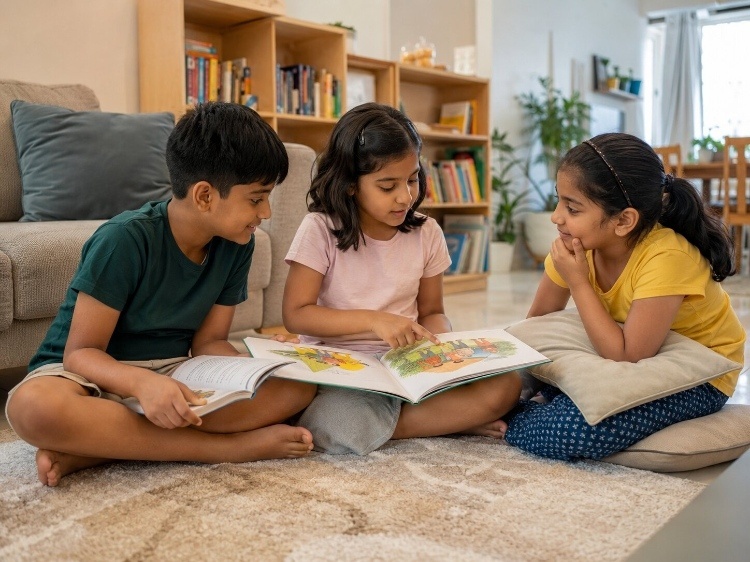
Reading books about friendship and discussing them
Age-appropriate books exploring friendship challenges (sharing, conflict, inclusion) provide a natural, low-pressure way to discuss social skills.
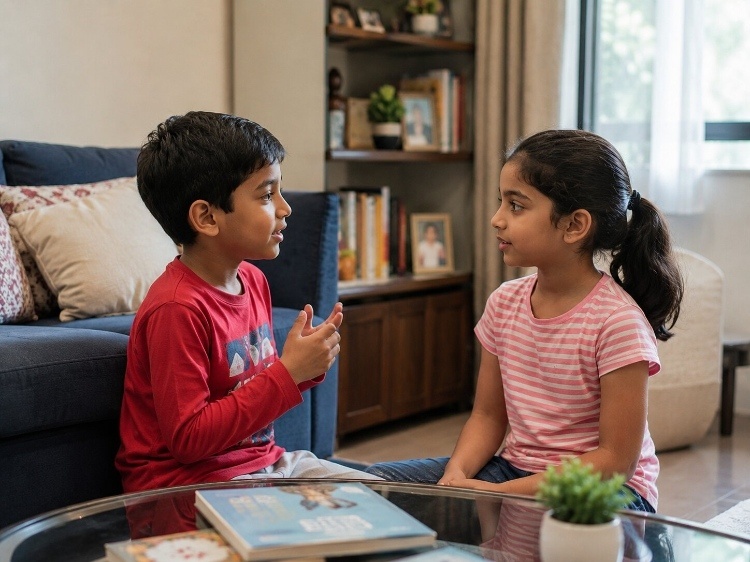
Practicing conflict resolution language
Teaching simple, specific phrases ("I don't like that, please stop" or "can I have a turn after you?") gives a child concrete tools for common social friction points.
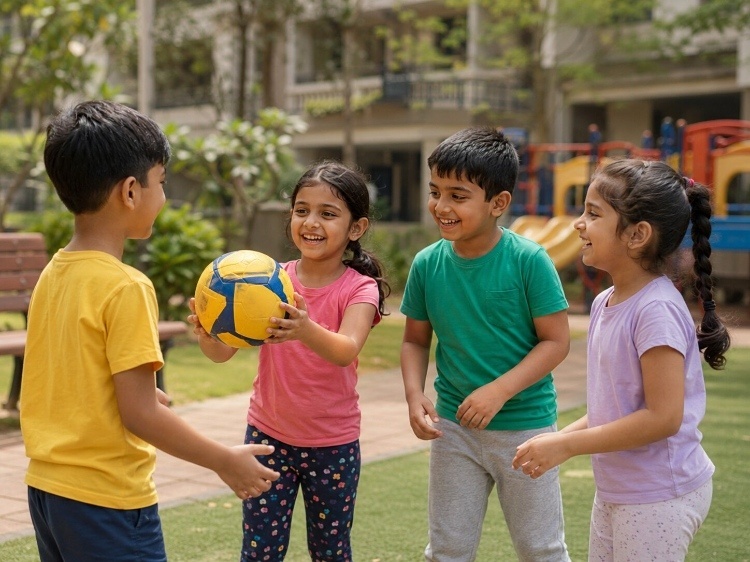
Encouraging regular, consistent park or society playtime
Repeated interaction with the same group of neighbourhood children over time builds genuine friendship far more effectively than occasional, varied social exposure.
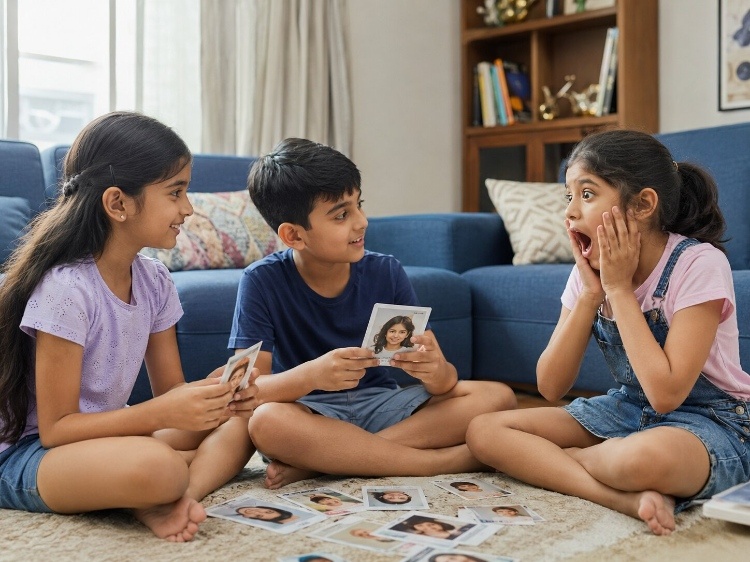
Teaching and practicing reading facial expressions
Simple games identifying emotions from facial expressions (in photos, or during pretend play) build the social awareness that underlies effective peer interaction.
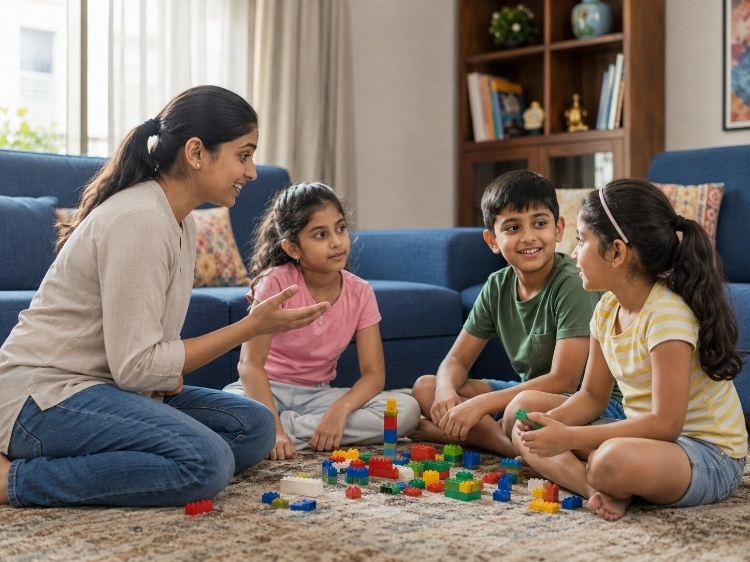
Modelling and narrating your own social interactions
Children learn significantly through observation — narrating your own social choices ("I'm going to ask if I can join their conversation") models the skill directly.
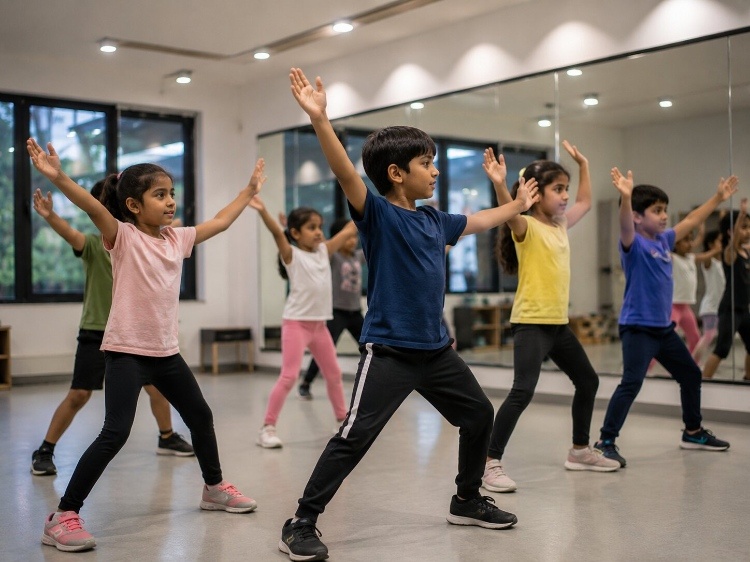
Group activities and classes with consistent peer groups
Regular group classes (sports, art, dance) provide a structured, recurring social environment where friendships can develop naturally over weeks and months, often easier for shy children than unstructured social settings.
Supporting a child who's genuinely shy or socially anxious
Some children are naturally more introverted or take longer to warm up socially — this is a genuine temperament difference, not a skill deficit requiring urgent correction. Gentle, consistent exposure to social opportunities, without forcing interaction before a child feels ready, tends to work better than pushing a reluctant child into overwhelming social situations.
The genuine value of unstructured play alongside structured activities
While structured classes and activities provide valuable, consistent social opportunities, genuinely unstructured playtime — park time with neighbourhood children, free play without adult-directed activities — builds social skills through authentic, child-led negotiation and interaction that structured settings don't fully replicate.
A realistic timeline for friendship-building
Genuine friendships, particularly for children who find social situations more challenging, often take months of consistent, repeated interaction to develop — patience and continued opportunity matter more than any single intervention or activity.