
 Summer Camp
 Reading Writing
 Book Club
 Calligraphy
 Creative Writing
 English Speaking
 Handwriting
 Library
 Phonics
 Story Telling
 Art and Craft
 Clay Moulding
 Drawing
 Painting
 Pottery
 Sketching
 Drama Theatre
 Personality Development
 Public Speaking
 Languages
 Arabic
 Chinese
 French
 German
 Hindi
Hindi Italian
 Japanese
 Korean
 Persian
 Portuguese
 Russian
 Spanish
 Turkish
 Uzbek
Uzbek Sports and Fitness
 Aerobics
 Athletics
 Badminton
 Basket Ball
 Chess
Chess Cricket
 Football
 Golf
Golf Gymnastics
 Hulahoop
 Karate
 Martial Arts
 Pickleball
 Rugby
Rugby Skating
 Swimming
 Taekwondo
 Tennis
 Volleyball
 Yoga
Yoga Zumba
Zumba Tuition Classes
 Accounts
 Biology
 Business Studies
 CBSE
CBSE Chemistry
 Commerce
 Economics
 Homework Classes
 IB Board
 IGCSE
IGCSE Mathematics
 Physics
 Psychology
 Science
 Social Studies
 Vedic Maths
 Dance and Music
 Ballet
 Bhangra
 Bharatnatyam
 Bollywood Dance
 Casio
Casio Dandiya and Garba
 Drums
Drums Flute
Flute Guitar
 Harmonium
 Hip Hop
 Jazz
Jazz Kathak
 Keyboard
 Piano
Piano Salsa
Salsa Shlokas
 Sitar
Sitar Tabla
Tabla Ukulele
 Violin
 Vocal
Vocal Play School
 STEM
STEM
 Abacus
 App Development
 Artificial intelligence
 Basic Computer Courses
 Canva
Canva Coding
 Graphic Design
 Lego
Lego Python
 Robotics
 Rubiks Cube
 Scrabble
 Scratch
 Website Development
 Winter Camp
 Workshops
 Diwali Workshop
 Easter
 Ganesh Mahotsav
 Guru Nanak Jayanti Workshop
 Holi
Holi Independence day workshop
 Janmashtami Workshop
 Mothers day
 Navratri Workshops
 Raksha Bandhan workshop
 Ramayana Workshop
 Spring Camp
 Valentines Day Workshops
 Festive
 Daycare
 Cooking and Food
 Spring Camp
 Contests and Competitions
 Special abled
 Republic Day Workshops
 Mela
Mela
 Mela
Mela Cognitive Development
 Mother-Toddler Program
-Jul-03-2026-06-59-25-1926-AM.webp?width=30&height=30&name=Smart_20Skills_20(2)-Jul-03-2026-06-59-25-1926-AM.webp) Smart Skills
Smart Skills
 Financial Literacy
 Mental Wellbeing
 Meditation
 Reiki
Reiki




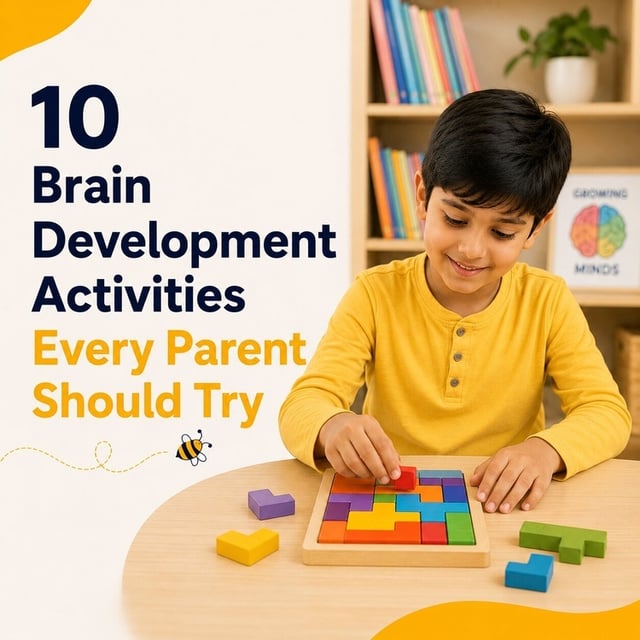
The early years (roughly 0-6) involve the most rapid brain development a person will ever experience — these 10 activities support that critical window using simple, accessible approaches rather than expensive "brain training" products.
The marketing around "brain development" products can be overwhelming and often expensive, but the genuine science behind early brain development points toward much simpler, more accessible activities — many of which cost nothing beyond time and attention.
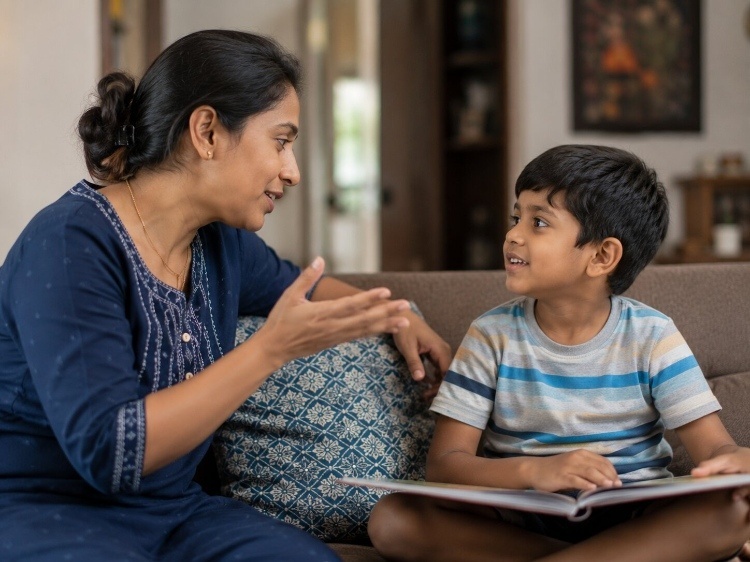
Talk to your baby or young child constantly, even before they can respond
Simply narrating daily activities builds neural language pathways from the earliest months, well before a child can verbally respond.

Sing songs and nursery rhymes regularly
The rhythm, repetition, and melody of songs support language and memory development in ways that speech alone doesn't fully replicate.
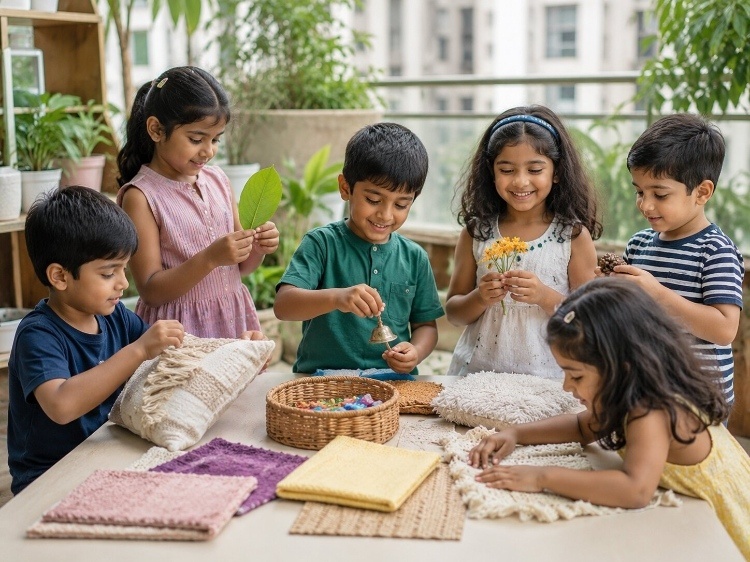
Provide varied sensory experiences
Different textures, sounds, and visual experiences (a walk outdoors, different fabrics, varied sounds) build broad neural connections in early childhood.
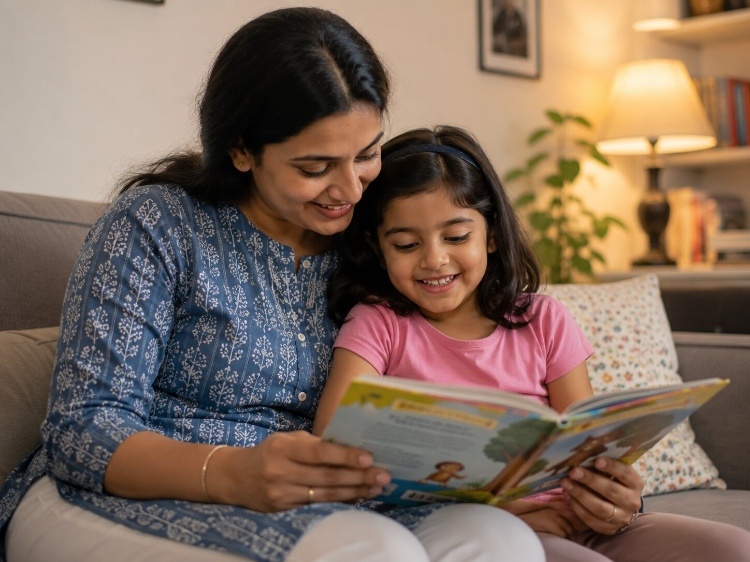
Read together from infancy, even before a child understands words
Beyond the language benefits, the routine and connection of reading together supports healthy brain development through consistent, positive interaction.
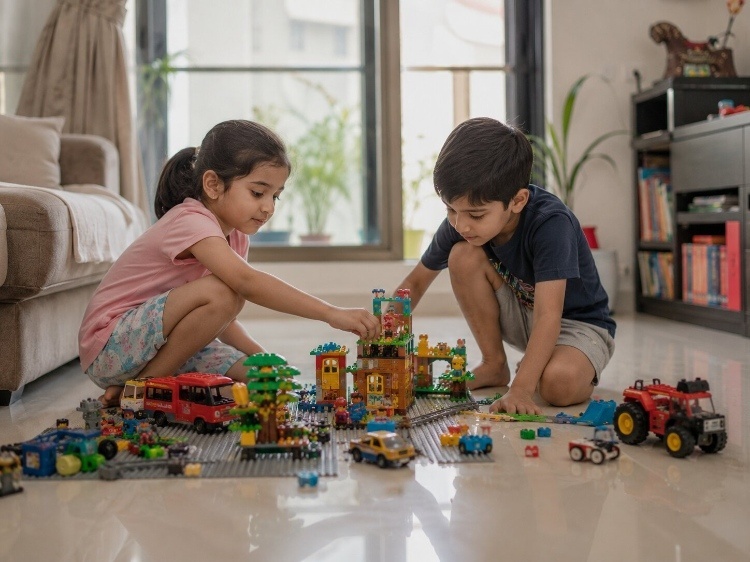
Allow genuinely unstructured free play
Free, child-directed play (without a specific "educational" goal) builds creative and problem-solving neural pathways that structured activities alone don't fully replicate.
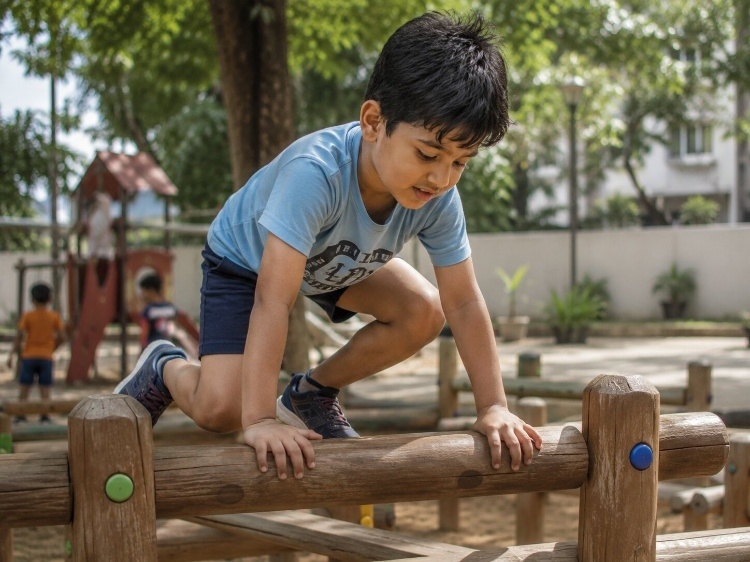
Encourage physical movement and exploration
Physical activity, especially in early childhood, is directly linked to brain development, not just physical fitness — movement and cognitive growth are genuinely intertwined at this stage.
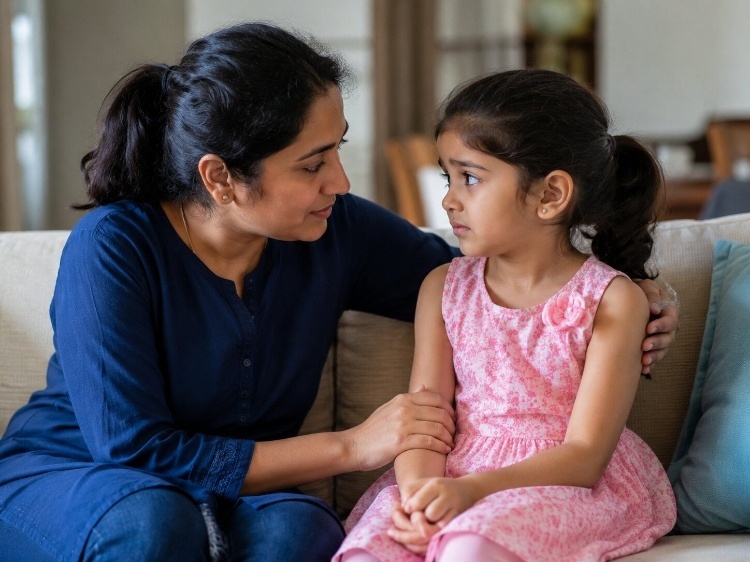
Respond consistently and warmly to a child's needs and emotions
Secure, responsive relationships in early childhood build the neural foundation for emotional regulation and learning capacity later.
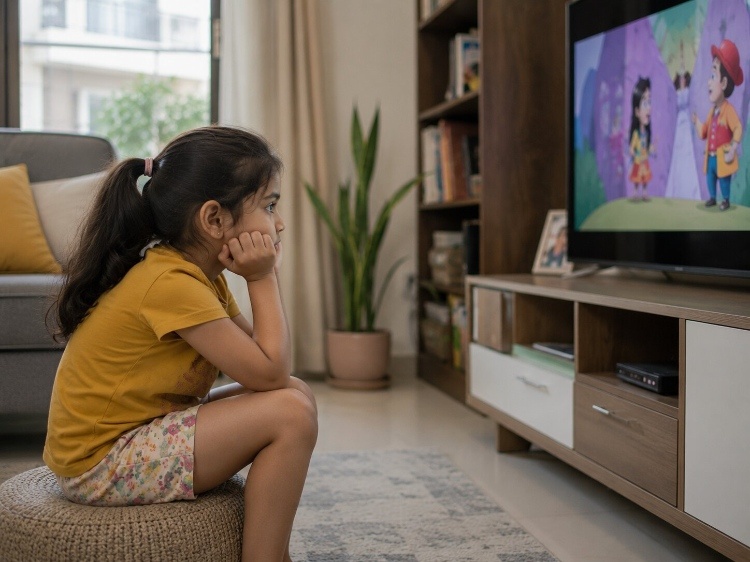
Limit passive screen time, especially under age 2
Passive screen exposure in the earliest years doesn't provide the same interactive, responsive stimulation that human interaction and hands-on play offer for brain development.
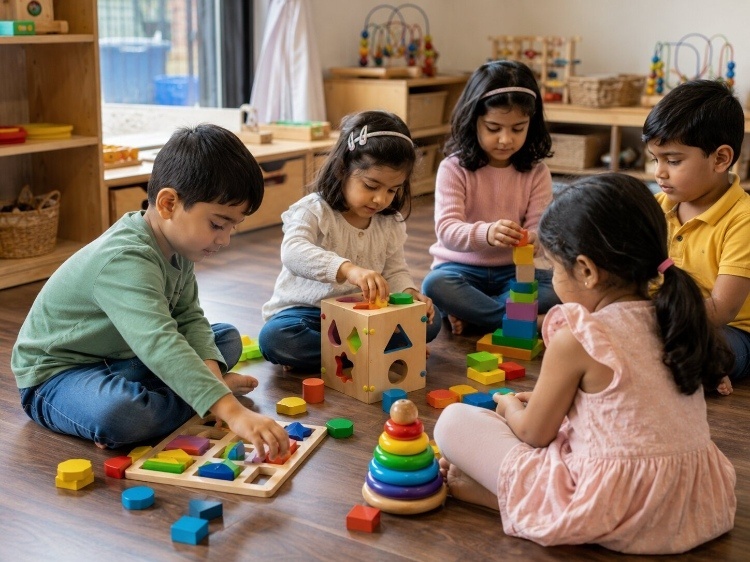
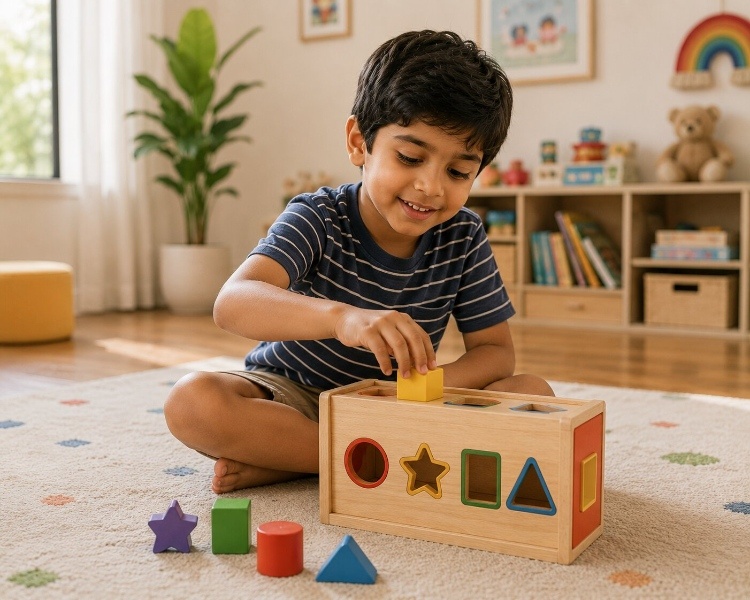
Introduce simple problem-solving toys and activities
Shape sorters, simple puzzles, and stacking toys build early problem-solving neural pathways through genuinely enjoyable play.
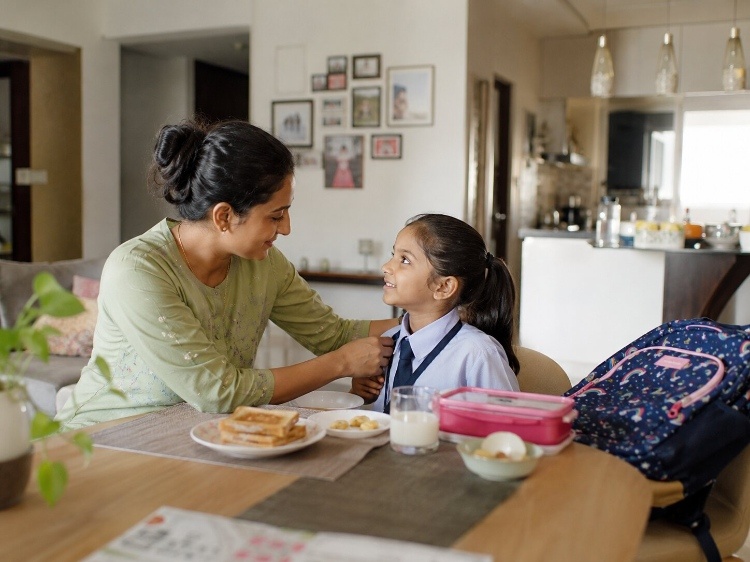
Maintain consistent, predictable routines
A predictable daily rhythm (not rigid, but generally consistent) supports a young child's developing brain by reducing unnecessary stress and building a sense of security that supports learning.
Why the early years matter so significantly
The brain develops more rapidly in the first few years of life than at any other point, forming the neural foundation for later learning, emotional regulation, and social skills — this doesn't mean every moment needs to be "educational," but it does mean these simple, consistent interactions genuinely matter more than expensive products or programs.
A note on brain development products and claims
Many commercially marketed "brain development" toys and programs make claims well beyond what genuine research supports. The activities above — talking, reading, playing, moving, responding warmly — remain the consistently evidence-supported foundation, regardless of what additional products a family may or may not choose to use alongside them.
For families managing help and multiple caregivers
In households where domestic help or multiple family members share childcare, ensuring these foundational interactions (talking, reading, responsive warmth) happen consistently across all caregivers, not just parents, meaningfully extends the benefit throughout a child's day.