
 Summer Camp
 Reading Writing
 Book Club
 Calligraphy
 Creative Writing
 English Speaking
 Handwriting
 Library
 Phonics
 Story Telling
 Art and Craft
 Clay Moulding
 Drawing
 Painting
 Pottery
 Sketching
 Drama Theatre
 Personality Development
 Public Speaking
 Languages
 Arabic
 Chinese
 French
 German
 Hindi
Hindi Italian
 Japanese
 Korean
 Persian
 Portuguese
 Russian
 Spanish
 Turkish
 Uzbek
Uzbek Sports and Fitness
 Aerobics
 Athletics
 Badminton
 Basket Ball
 Chess
Chess Cricket
 Football
 Golf
Golf Gymnastics
 Hulahoop
 Karate
 Martial Arts
 Pickleball
 Rugby
Rugby Skating
 Swimming
 Taekwondo
 Tennis
 Volleyball
 Yoga
Yoga Zumba
Zumba Tuition Classes
 Accounts
 Biology
 Business Studies
 CBSE
CBSE Chemistry
 Commerce
 Economics
 Homework Classes
 IB Board
 IGCSE
IGCSE Mathematics
 Physics
 Psychology
 Science
 Social Studies
 Vedic Maths
 Dance and Music
 Ballet
 Bhangra
 Bharatnatyam
 Bollywood Dance
 Casio
Casio Dandiya and Garba
 Drums
Drums Flute
Flute Guitar
 Harmonium
 Hip Hop
 Jazz
Jazz Kathak
 Keyboard
 Piano
Piano Salsa
Salsa Shlokas
 Sitar
Sitar Tabla
Tabla Ukulele
 Violin
 Vocal
Vocal Play School
 STEM
STEM
 Abacus
 App Development
 Artificial intelligence
 Basic Computer Courses
 Canva
Canva Coding
 Graphic Design
 Lego
Lego Python
 Robotics
 Rubiks Cube
 Scrabble
 Scratch
 Website Development
 Winter Camp
 Workshops
 Diwali Workshop
 Easter
 Ganesh Mahotsav
 Guru Nanak Jayanti Workshop
 Holi
Holi Independence day workshop
 Janmashtami Workshop
 Mothers day
 Navratri Workshops
 Raksha Bandhan workshop
 Ramayana Workshop
 Spring Camp
 Valentines Day Workshops
 Festive
 Daycare
 Cooking and Food
 Spring Camp
 Contests and Competitions
 Special abled
 Republic Day Workshops
 Mela
Mela
 Mela
Mela Cognitive Development
 Mother-Toddler Program
-Jul-03-2026-06-59-25-1926-AM.webp?width=30&height=30&name=Smart_20Skills_20(2)-Jul-03-2026-06-59-25-1926-AM.webp) Smart Skills
Smart Skills
 Financial Literacy
 Mental Wellbeing
 Meditation
 Reiki
Reiki



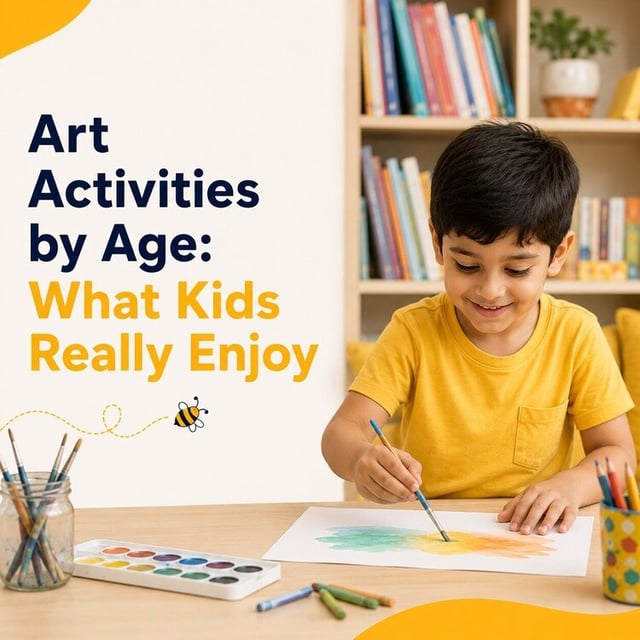
Art preferences and capabilities shift significantly by age — matching activities to genuine developmental stage, rather than expecting advanced technique too early, keeps creative activities enjoyable rather than frustrating.
Art activities that genuinely delight a 3-year-old often bore or frustrate an 8-year-old, and vice versa — matching creative activities to actual developmental stage matters significantly for maintaining genuine enjoyment and appropriate skill-building.
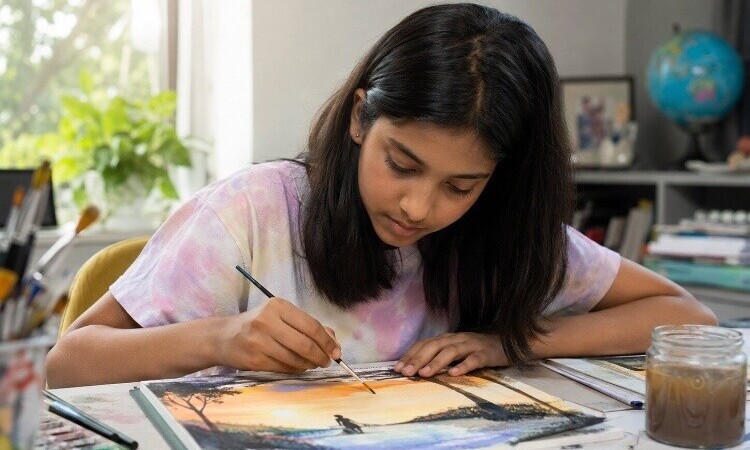
Why forcing advanced technique too early backfires
Pushing a 4-year-old toward "correct" representational drawing, or expecting a 3-year-old to stay within lines, typically creates frustration and can discourage genuine creative confidence — developmentally appropriate expectations matter as much in art as in any other skill area.
The shift from process-focused to outcome-focused, and how to navigate it
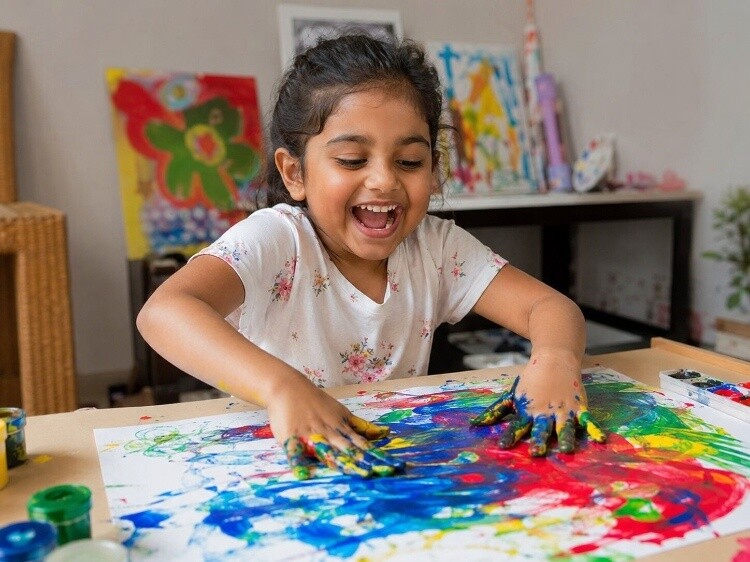
Younger children are naturally process-focused (enjoying the act of creating, regardless of result), while older children increasingly care about outcome and technical quality — supporting this natural shift, rather than either rushing it or dismissing a child's growing interest in genuine skill development, matters for keeping creative engagement positive through this transition.
Recognising genuine artistic interest versus general childhood creativity
Most children enjoy art activities to some degree throughout childhood — genuine sustained artistic interest, warranting more structured lessons or classes, typically becomes clearer around age 7-9, when a child consistently seeks out art activities independently and shows sustained focus and improvement over time.
A closing thought on this arts and creativity series
Across all the activities covered in this series — drawing, painting, clay, craft, origami — the consistent thread is that creative activities offer genuine developmental value across fine motor skill, focus, and emotional expression, regardless of whether a child develops into a genuinely skilled artist. The goal throughout childhood remains building comfort, confidence, and enjoyment with creative expression, a foundation valuable regardless of where any individual child's specific artistic interest ultimately leads.