

 Summer Camp
 Reading Writing
 Book Club
 Calligraphy
 Creative Writing
 English Speaking
 Handwriting
 Library
 Phonics
 Story Telling
 Art and Craft
 Clay Moulding
 Drawing
 Painting
 Pottery
 Sketching
 Drama Theatre
 Personality Development
 Public Speaking
 Languages
 Arabic
 Chinese
 French
 German
 Hindi
Hindi Italian
 Japanese
 Korean
 Persian
 Portuguese
 Russian
 Spanish
 Turkish
 Uzbek
Uzbek Sports and Fitness
 Aerobics
 Athletics
 Badminton
 Basket Ball
 Chess
Chess Cricket
 Football
 Golf
Golf Gymnastics
 Hulahoop
 Karate
 Martial Arts
 Pickleball
 Rugby
Rugby Skating
 Swimming
 Taekwondo
 Tennis
 Volleyball
 Yoga
Yoga Zumba
Zumba Tuition Classes
 Accounts
 Biology
 Business Studies
 CBSE
CBSE Chemistry
 Commerce
 Economics
 Homework Classes
 IB Board
 IGCSE
IGCSE Mathematics
 Physics
 Psychology
 Science
 Social Studies
 Vedic Maths
 Dance and Music
 Ballet
 Bhangra
 Bharatnatyam
 Bollywood Dance
 Casio
Casio Dandiya and Garba
 Drums
Drums Flute
Flute Guitar
 Harmonium
 Hip Hop
 Jazz
Jazz Kathak
 Keyboard
 Piano
Piano Salsa
Salsa Shlokas
 Sitar
Sitar Tabla
Tabla Ukulele
 Violin
 Vocal
Vocal PlaySchools
 Preschool
 STEM
STEM
 Abacus
 App Development
 Artificial intelligence
 Basic Computer Courses
 Canva
Canva Coding
 Graphic Design
 Lego
Lego Python
 Robotics
 Rubiks Cube
 Scrabble
 Scratch
 Website Development
 Winter Camp
 Workshops
 Diwali Workshop
 Easter
 Ganesh Mahotsav
 Guru Nanak Jayanti Workshop
 Holi
Holi Independence day workshop
 Janmashtami Workshop
 Mothers day
 Navratri Workshops
 Raksha Bandhan workshop
 Ramayana Workshop
 Spring Camp
 Valentines Day Workshops
 Festive
 Daycare
 Cooking and Food
 Spring Camp
 Contests and Competitions
 Special abled
 Republic Day Workshops
 Mela
Mela
 Mela
Mela Cognitive Development
 Mother-Toddler Program
-Jul-03-2026-06-59-25-1926-AM.webp?width=30&height=30&name=Smart_20Skills_20(2)-Jul-03-2026-06-59-25-1926-AM.webp) Smart Skills
Smart Skills
 Financial Literacy




Starting nursery is a big milestone — not just for your little one, but for you too! The transition can feel both thrilling and overwhelming, as it marks the beginning of formal learning and new routines for the entire family. As exciting as it is, many parents often wonder: “Is my child truly ready?” This is a common concern, and it's completely natural to have these questions. Nursery readiness isn't just about age; it’s about emotional, social, physical, and basic communication development. It involves the ability for your child to express their needs, interact with other children, manage simple routines, and cope with time away from home. Ensuring your child feels safe, understood, and comfortable in a group setting is just as important as their ability to follow instructions or participate in activities.
To help ease your doubts, here’s a simple and practical checklist to see if your child is ready to begin their nursery journey — and if you’re ready too! This checklist will guide you through key developmental milestones and help you prepare both emotionally and practically for this exciting new chapter.
Can Your Child Understand Basic Instructions?
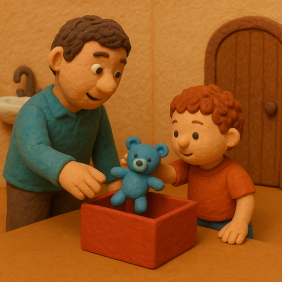
Your child should be able to understand and follow simple instructions like:
- “Put the toy in the box.”
- “Wash your hands.”
- “Come here.”
The ability to comprehend and act on these basic directions demonstrates that your child is developing essential listening skills and can process guidance from adults. When children can follow directions, it helps them participate in group activities, adapt to routines, and build the foundation for more complex learning as they grow. This readiness also boosts their confidence, as they feel accomplished when they successfully complete tasks on their own.
.png)
Is Your Child Comfortable Being Away From You (for a Short Time)?
If your child can stay with a caregiver, grandparent, or in a playgroup without too many tears, that’s a great sign of emotional readiness. It shows they’re beginning to trust other adults and feel comfortable in places outside the immediate family circle.
While it’s entirely normal for young children to feel some separation anxiety at first, they should gradually be able to settle down, engage in new activities, and form bonds with caregivers or peers. This ability to adjust in a new environment, even if it takes a little time, means your child is building resilience and confidence—qualities that will help them thrive as they embark on their nursery journey.
Toilet Training & Basic Hygiene
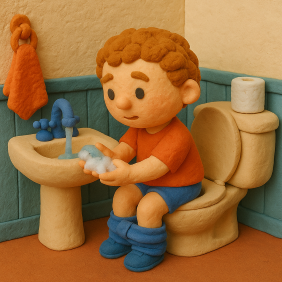
Most nurseries prefer that children are partially or fully toilet-trained. This allows teachers and staff to focus more on learning and play. Your child should:
- Be able to tell an adult if they need to go, either through words or simple signs.
- Wash hands after using the toilet
- Handle basic hygiene with a little help
If they’re not fully there yet, don’t stress — gentle, consistent training helps a lot. Every child develops at their own pace, and it’s natural for some to take a little longer. Encouragement and patience from both parents and caregivers make this skill easier to master.

Can Your Child Express Basic Needs?
Even if they’re not speaking full sentences, your child should be able to express:
- Hunger or thirst, such as indicating when they want a snack or a drink
- Needing the bathroom, by telling an adult or using simple words or signals
- If they’re feeling unwell or tired, so caregivers are aware and can offer comfort or appropriate care
Being able to communicate these basic needs clearly—using words, gestures, or even pointing—gives teachers and caregivers the information they need to keep your child comfortable and safe throughout the day. This form of basic communication is important for your child’s wellbeing and helps build trust and understanding between them and their teachers.
Can They Sit Through a Short Activity?
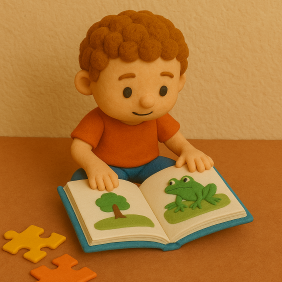
Whether it’s listening to a short story or doing a 5-minute craft, the ability to sit and focus for even a few minutes is a sign they’re ready for structured group activities. This skill shows that your child can participate, follow along, and benefit from classroom routines without constant redirection. Developing this attention span doesn’t happen overnight but can be gently encouraged at home. You can practice this by setting aside time for simple activities like puzzles, looking through picture books together, singing rhymes, or doing small art projects.
These moments help your child build concentration and patience, making the transition to a group setting easier and more enjoyable for them.
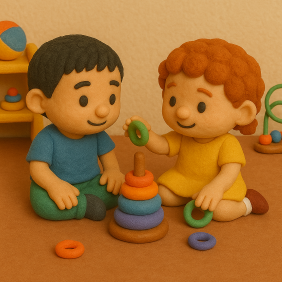
Social Interaction with Other Children
Nursery is all about learning with peers. Developing early social skills makes settling into a group setting much smoother for your child. If your child:
- Plays alongside other kids (even if not fully together), showing an interest in being part of the same space and activities
- Shares toys (occasionally!), indicating an ability to take turns and consider others’ feelings.
- Shows interest in group play, like joining circle time, following what others are doing.
It means they’re warming up to social environments. These small steps lay the foundation for teamwork, cooperation, and friendships, helping your child feel comfortable and happy in the company of others.
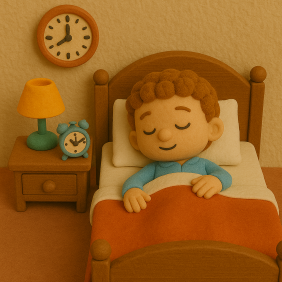
Is Your Child Used to a Daily Routine?
A simple routine — like regular nap times, mealtimes, and bedtime — helps children adjust to a school schedule easily. When your child is already used to predictable daily patterns at home, the transition to a structured nursery environment feels much smoother. These familiar routines offer comfort, reduce anxiety about what’s coming next, and make adapting to new school rules less overwhelming. Additionally, following a routine builds your child’s confidence, as they learn to anticipate and prepare for activities throughout the day. This sense of order and expectation supports their overall wellbeing and sets a solid foundation for success at nursery.
Can Your Child Understand Basic Instructions?
Your child should be able to understand and follow simple instructions like:
- “Put the toy in the box.”
- “Wash your hands.”
- “Come here.”
The ability to comprehend and act on these basic directions demonstrates that your child is developing essential listening skills and can process guidance from adults. When children can follow directions, it helps them participate in group activities, adapt to routines, and build the foundation for more complex learning as they grow. This readiness also boosts their confidence, as they feel accomplished when they successfully complete tasks on their own.
Is Your Child Comfortable Being Away From You (for a Short Time)?
If your child can stay with a caregiver, grandparent, or in a playgroup without too many tears, that’s a great sign of emotional readiness. It shows they’re beginning to trust other adults and feel comfortable in places outside the immediate family circle.
While it’s entirely normal for young children to feel some separation anxiety at first, they should gradually be able to settle down, engage in new activities, and form bonds with caregivers or peers. This ability to adjust in a new environment, even if it takes a little time, means your child is building resilience and confidence—qualities that will help them thrive as they embark on their nursery journey.
Toilet Training & Basic Hygiene
Most nurseries prefer that children are partially or fully toilet-trained. This allows teachers and staff to focus more on learning and play. Your child should:
- Be able to tell an adult if they need to go, either through words or simple signs.
- Wash hands after using the toilet
- Handle basic hygiene with a little help
If they’re not fully there yet, don’t stress — gentle, consistent training helps a lot. Every child develops at their own pace, and it’s natural for some to take a little longer. Encouragement and patience from both parents and caregivers make this skill easier to master.
Can Your Child Express Basic Needs?
Even if they’re not speaking full sentences, your child should be able to express:
- Hunger or thirst, such as indicating when they want a snack or a drink
- Needing the bathroom, by telling an adult or using simple words or signals
- If they’re feeling unwell or tired, so caregivers are aware and can offer comfort or appropriate care
Being able to communicate these basic needs clearly—using words, gestures, or even pointing—gives teachers and caregivers the information they need to keep your child comfortable and safe throughout the day. This form of basic communication is important for your child’s wellbeing and helps build trust and understanding between them and their teachers.
Can They Sit Through a Short Activity?
Whether it’s listening to a short story or doing a 5-minute craft, the ability to sit and focus for even a few minutes is a sign they’re ready for structured group activities. This skill shows that your child can participate, follow along, and benefit from classroom routines without constant redirection. Developing this attention span doesn’t happen overnight but can be gently encouraged at home. You can practice this by setting aside time for simple activities like puzzles, looking through picture books together, singing rhymes, or doing small art projects.
These moments help your child build concentration and patience, making the transition to a group setting easier and more enjoyable for them.
Social Interaction with Other Children
Nursery is all about learning with peers. Developing early social skills makes settling into a group setting much smoother for your child. If your child:
- Plays alongside other kids (even if not fully together), showing an interest in being part of the same space and activities
- Shares toys (occasionally!), indicating an ability to take turns and consider others’ feelings.
- Shows interest in group play, like joining circle time, following what others are doing.
It means they’re warming up to social environments. These small steps lay the foundation for teamwork, cooperation, and friendships, helping your child feel comfortable and happy in the company of others.
Is Your Child Used to a Daily Routine?
A simple routine — like regular nap times, mealtimes, and bedtime — helps children adjust to a school schedule easily. When your child is already used to predictable daily patterns at home, the transition to a structured nursery environment feels much smoother. These familiar routines offer comfort, reduce anxiety about what’s coming next, and make adapting to new school rules less overwhelming. Additionally, following a routine builds your child’s confidence, as they learn to anticipate and prepare for activities throughout the day. This sense of order and expectation supports their overall wellbeing and sets a solid foundation for success at nursery.




Leave a Reply