

 Summer Camp
 Reading Writing
 Book Club
 Calligraphy
 Creative Writing
 English Speaking
 Handwriting
 Library
 Phonics
 Story Telling
 Art and Craft
 Clay Moulding
 Drawing
 Painting
 Pottery
 Sketching
 Drama Theatre
 Personality Development
 Public Speaking
 Languages
 Arabic
 Chinese
 French
 German
 Hindi
Hindi Italian
 Japanese
 Korean
 Persian
 Portuguese
 Russian
 Spanish
 Turkish
 Uzbek
Uzbek Sports and Fitness
 Aerobics
 Athletics
 Badminton
 Basket Ball
 Chess
Chess Cricket
 Football
 Golf
Golf Gymnastics
 Hulahoop
 Karate
 Martial Arts
 Pickleball
 Rugby
Rugby Skating
 Swimming
 Taekwondo
 Tennis
 Volleyball
 Yoga
Yoga Zumba
Zumba Tuition Classes
 Accounts
 Biology
 Business Studies
 CBSE
CBSE Chemistry
 Commerce
 Economics
 Homework Classes
 IB Board
 IGCSE
IGCSE Mathematics
 Physics
 Psychology
 Science
 Social Studies
 Vedic Maths
 Dance and Music
 Ballet
 Bhangra
 Bharatnatyam
 Bollywood Dance
 Casio
Casio Dandiya and Garba
 Drums
Drums Flute
Flute Guitar
 Harmonium
 Hip Hop
 Jazz
Jazz Kathak
 Keyboard
 Piano
Piano Salsa
Salsa Shlokas
 Sitar
Sitar Tabla
Tabla Ukulele
 Violin
 Vocal
Vocal Play School
 STEM
STEM
 Abacus
 App Development
 Artificial intelligence
 Basic Computer Courses
 Canva
Canva Coding
 Graphic Design
 Lego
Lego Python
 Robotics
 Rubiks Cube
 Scrabble
 Scratch
 Website Development
 Winter Camp
 Workshops
 Diwali Workshop
 Easter
 Ganesh Mahotsav
 Guru Nanak Jayanti Workshop
 Holi
Holi Independence day workshop
 Janmashtami Workshop
 Mothers day
 Navratri Workshops
 Raksha Bandhan workshop
 Ramayana Workshop
 Spring Camp
 Valentines Day Workshops
 Festive
 Daycare
 Cooking and Food
 Spring Camp
 Contests and Competitions
 Special abled
 Republic Day Workshops
 Mela
Mela
 Mela
Mela Cognitive Development
 Mother-Toddler Program
-Jul-03-2026-06-59-25-1926-AM.webp?width=30&height=30&name=Smart_20Skills_20(2)-Jul-03-2026-06-59-25-1926-AM.webp) Smart Skills
Smart Skills
 Financial Literacy




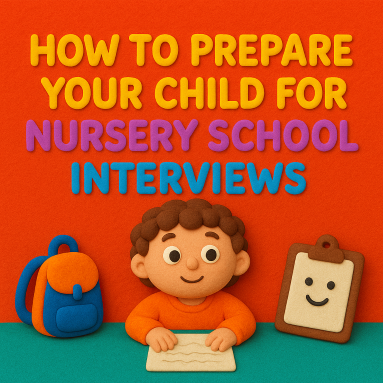
Introduction: The First Big Step
Starting nursery school is a big milestone—not just for your child, but for you as a parent too! It marks the beginning of a new chapter filled with learning, friendships, and countless little adventures. Nursery school interviews can feel overwhelming, especially if this is your first time navigating the process. It’s completely normal to feel a mix of excitement and nerves as you prepare to showcase your child’s personality and readiness. But here’s the good news: schools aren’t expecting perfection. They just want to see a happy, confident child—and a parent who is engaged and supportive. Remember, educators understand that every child is unique and develops at their own pace. They’re looking for signs that your child is comfortable in a new environment, able to interact with others, and open to guidance. So how do you make sure your little one is ready without adding pressure? Let’s walk through some easy and practical tips.
Start with Simple Conversations at Home
Instead of making it a “test,” turn preparation into playful chats that help your child feel relaxed. Practice asking simple questions in a natural, friendly way, such as:
- What’s your name?
- How old are you?
- What do you like to eat, play, or do for fun?
Incorporate these questions into everyday conversation so they become familiar and less intimidating. You can also use pretend play to make the process enjoyable—let your child take on the role of the “teacher” while you act as the “student.” This playful role reversal not only builds your child’s comfort with the kinds of questions they might hear in an interview, but also boosts their confidence in speaking and expressing themselves. The more you practice together in a relaxed setting, the more at ease your child will feel when the real moment arrives.
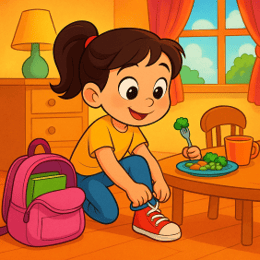 Build Independence in Daily Routines
Encourage small tasks like:
- Packing their own bag—Let your child help choose and place their belongings in their school bag each day. This simple routine builds a sense of ownership and responsibility.
- Putting on their shoes—Practice together so they can get comfortable with handling Velcro straps, buckles, or laces, even if it takes a little extra time at first.
- Eating on their own—Allow your child to use a spoon or fork independently during mealtimes, even if things get a bit messy. This will help them feel more confident at snack or lunch breaks in school.
Schools often look for children who can manage these basic tasks without constant adult intervention. It’s not about doing everything perfectly—it’s about showing that your child is willing to try and put in the effort on their own.
 Introduce Social Skills Through Play
Organize a few playdates or take your child to a park where they can interact with other kids. Simple group activities and free play give your child a chance to practice important social skills, such as:
- Taking turns—whether it’s waiting for their turn on the slide or sharing a toy, learning patience and fairness is key to working well with others.
- Saying “please” and “thank you”—encouraging polite language helps your child build respectful relationships and shows good manners, both in the classroom and beyond.
- Asking for help—getting comfortable with seeking assistance from adults or peers fosters independence and teamwork.
These skills may seem small, but they’re incredibly valuable when your child steps into a classroom setting—and they can make a positive impression during nursery school interviews as well. The more opportunities your child has to practice these behaviors in real-life situations, the more naturally they will use them in new environments.
Focus on Listening & Following Instructions
Simple games like Simon Says, Red Light Green Light, or Sorting by Color are not only fun, but they also play an important role in preparing your child for school assessments. These activities encourage kids to pay close attention, listen carefully, and follow directions—skills that teachers often look for during interviews. For example, when playing Simon Says, your child learns to act only when given the correct command, which helps sharpen their ability to concentrate and process instructions accurately. Red Light Green Light teaches impulse control and listening, while Sorting by Color develops the ability to understand and carry out multi-step instructions. Practicing these games at home can make it easier for your child to adapt to similar tasks in a school setting, giving them an extra boost of confidence when it matters most.
 Read Books Together
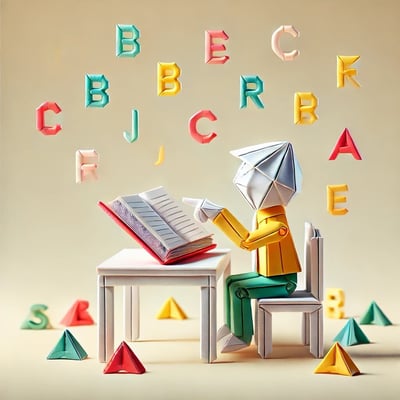
Reading improves language skills and attention span. To make the most of Storytime, opt for short books with lots of colorful pictures and simple sentences. Spend time looking at the pictures together, pointing out objects, and asking your child questions about what they see or what might happen next. Invite your child to share their thoughts or retell parts of the story in their own words, even if it’s just a sentence or two. This interactive approach not only builds their vocabulary, but also encourages them to express their ideas more confidently. Over time, your child will become more comfortable speaking in front of others and better equipped to understand and follow along during group activities in school.
Visit the School If Possible
Some schools allow visits or open-house sessions. If your child’s prospective school offers this opportunity, make the most of it by letting your child explore the space at their own pace. Walk together through the hallways, peek into the classrooms, and point out interesting areas like the playground or library. Encourage your little one to observe and ask questions about what they see—maybe they’ll spot colorful art on the walls or shelves filled with storybooks. These visits can spark curiosity and excitement, turning the idea of “school” into something familiar and welcoming rather than unknown and intimidating. The more comfortable your child feels in the environment beforehand, the less likely they are to feel overwhelmed on interview day. Familiarity with the space, faces, and routines can go a long way in easing nerves and helping your child approach the big day with confidence and a positive mindset.
 Keep Calm and Reassure Your Child
Avoid saying things like “This is important” or “You have to do well,” as these phrases can unintentionally add pressure and make your child feel anxious. Instead, focus on creating a positive, low-pressure atmosphere by saying something like: “We’re going to meet new people and talk about your favorite things!” This kind of language shifts the focus away from performing and toward enjoyment and exploration. When you maintain a calm, reassuring presence, your child will pick up on your relaxed energy. This helps them feel secure, accepted, and confident in unfamiliar situations. Your support and encouragement can make all the difference in helping your child approach the interview with openness and excitement.
Final Thoughts: It’s About Comfort, Not Performance
Remember, nursery interviews are not exams—they’re simply gentle introductions to the school environment. Educators know very well that young children are still developing, and perfection is never expected. What truly matters is that your child is approachable, able to communicate in their own way, and shows a comfortable, happy bond with you as a parent. When you nurture open communication and a sense of trust, you not only help your child navigate the interview smoothly but also set the tone for their whole school experience. These early steps are less about acing a test and more about laying the foundation for confidence, curiosity, and joy in learning.



Leave a Reply