
 Summer Camp
 Reading Writing
 Book Club
 Calligraphy
 Creative Writing
 English Speaking
 Handwriting
 Library
 Phonics
 Story Telling
 Art and Craft
 Clay Moulding
 Drawing
 Painting
 Pottery
 Sketching
 Drama Theatre
 Personality Development
 Public Speaking
 Languages
 Arabic
 Chinese
 French
 German
 Hindi
Hindi Italian
 Japanese
 Korean
 Persian
 Portuguese
 Russian
 Spanish
 Turkish
 Uzbek
Uzbek Sports and Fitness
 Aerobics
 Athletics
 Badminton
 Basket Ball
 Chess
Chess Cricket
 Football
 Golf
Golf Gymnastics
 Hulahoop
 Karate
 Martial Arts
 Pickleball
 Rugby
Rugby Skating
 Swimming
 Taekwondo
 Tennis
 Volleyball
 Yoga
Yoga Zumba
Zumba Tuition Classes
 Accounts
 Biology
 Business Studies
 CBSE
CBSE Chemistry
 Commerce
 Economics
 Homework Classes
 IB Board
 IGCSE
IGCSE Mathematics
 Physics
 Psychology
 Science
 Social Studies
 Vedic Maths
 Dance and Music
 Ballet
 Bhangra
 Bharatnatyam
 Bollywood Dance
 Casio
Casio Dandiya and Garba
 Drums
Drums Flute
Flute Guitar
 Harmonium
 Hip Hop
 Jazz
Jazz Kathak
 Keyboard
 Piano
Piano Salsa
Salsa Shlokas
 Sitar
Sitar Tabla
Tabla Ukulele
 Violin
 Vocal
Vocal PlaySchools
 Preschool
 STEM
STEM
 Abacus
 App Development
 Artificial intelligence
 Basic Computer Courses
 Canva
Canva Coding
 Graphic Design
 Lego
Lego Python
 Robotics
 Rubiks Cube
 Scrabble
 Scratch
 Website Development
 Winter Camp
 Workshops
 Diwali Workshop
 Easter
 Ganesh Mahotsav
 Guru Nanak Jayanti Workshop
 Holi
Holi Independence day workshop
 Janmashtami Workshop
 Mothers day
 Navratri Workshops
 Raksha Bandhan workshop
 Ramayana Workshop
 Spring Camp
 Valentines Day Workshops
 Festive
 Daycare
 Cooking and Food
 Spring Camp
 Contests and Competitions
 Special abled
 Republic Day Workshops
 Mela
Mela
 Mela
Mela Cognitive Development
 Mother-Toddler Program
-Jul-03-2026-06-59-25-1926-AM.webp?width=30&height=30&name=Smart_20Skills_20(2)-Jul-03-2026-06-59-25-1926-AM.webp) Smart Skills
Smart Skills
 Financial Literacy





In today’s digital age, where screens and gadgets constantly vie for our children's attention, introducing them to sports can provide a much-needed and indispensable pause from this virtual world. Sports are not simply a means for kids to expend their energy—they serve as a powerful tool for holistic development, blending physical activity with crucial life lessons. Participating in sports classes helps children develop stronger bodies, improves motor skills, and supports coordination. Beyond the physical benefits, engaging in regular sports nurtures critical thinking, discipline, teamwork, and resilience, all while enriching their mental health and sharpening their focus.
As children learn to set goals, cope with wins and losses, and collaborate with peers, sports classes foster qualities that extend well beyond the playground or field, shaping well-rounded individuals. These experiences are fundamental to their growth and development, teaching them values that will benefit them throughout life.
Here’s why enrolling your child in a regular sports class might be one of the best parenting decisions you make:
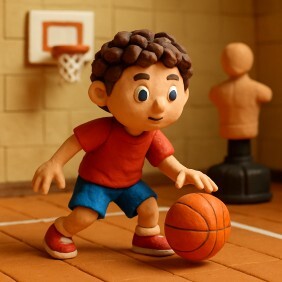
Builds Discipline and Focus
Sports teach kids the importance of:
- Following rules, which helps them understand boundaries and respect for authority figures both on and off the field.
- Practicing regularly, instilling in them a sense of discipline and perseverance as they see the results of consistent effort and dedication.
- Learning from mistakes, encouraging resilience and a positive mindset toward setbacks by showing them that errors are valuable opportunities for growth and improvement.
- Working towards goals, providing experience in setting realistic objectives, breaking them into achievable steps, and celebrating milestones along the way.
Whether it’s dribbling a basketball, mastering the perfect sprint, or learning martial arts forms, each training session not only builds physical abilities but also strengthens their focus, patience, and commitment.
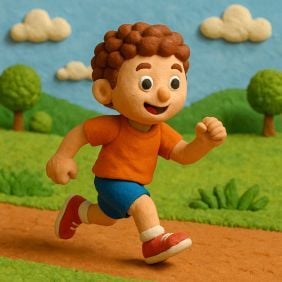
Boosts Physical Health
Regular physical activity improves:
- Muscle strength and bone development, ensuring that children grow up with strong, resilient bodies that can better handle daily activities and reduce the risk of injuries.
- Heart health and immunity, as engaging in sports gets the blood pumping, helps regulate blood pressure, boosts cardiovascular fitness, and strengthens the immune system.
- Posture and flexibility, since movement, stretching, and exercises done during sports sessions encourage proper alignment and prevent stiffness.
- Sleep quality and appetite, with active kids more likely to fall asleep easily at night and wake up refreshed.
Sports help counteract sedentary habits that are becoming increasingly common in today’s gadget-driven world, keeping kids not just physically active but also energized, alert, and ready to take on new challenges.

Encourages Teamwork & Social Skills
Sports classes give kids the chance to:
- Make new friends by interacting with peers from different backgrounds, opening them up to new perspectives and fostering lasting relationships outside their regular circle.
- Learn to cooperate and share, as team activities encourage children to listen to others, value diverse opinions, and work towards common objectives.
- Resolve conflicts and play fair by facing real-life situations where disagreements arise, teaching them to handle challenges calmly.
- Celebrate team successes, providing opportunities to experience the joy of collective achievement.
This kind of early social learning is crucial for growing confidence and empathy, helping kids develop the interpersonal skills needed to thrive in group settings.
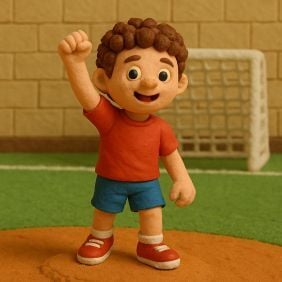
Builds Confidence & Resilience
Winning feels great, but learning how to lose gracefully is equally important. Sports help children:
- Take pride in their efforts, focusing on the hard work they’ve put in rather than just the outcome.
- Try again after failures, building resilience and the understanding that setbacks are simply stepping stones to improvement rather than reasons to give up.
- Handle both success and setbacks, allowing them to manage their emotions, celebrate achievements with humility.
- Grow a positive self-image, as accomplishments on the field boost self-confidence, and supportive feedback from coaches and teammates helps them value their own unique strengths.
Even a shy child begins to shine once they hit their stride on the field, gaining confidence that extends far beyond the boundaries of any game.
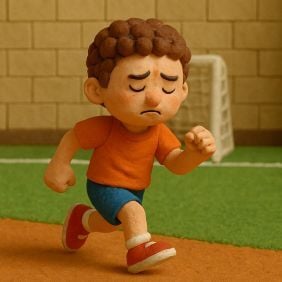
Helps with Emotional Regulation
Physical activity is a natural stress-buster. It helps:
- Release excess energy or frustration, giving kids a healthy way to channel emotions that might otherwise turn into tantrums or bottled-up stress.
- Improve mood and emotional balance, as movement stimulates the release of endorphins—nature’s feel-good chemicals—helping children to feel happier and more at ease.
- Reduce anxiety or restlessness, promoting a sense of calm and focus as the body unwinds and the mind finds a break from daily worries.
Especially for younger kids who can’t always verbalize emotions, sports can be a powerful outlet, equipping them with positive coping mechanisms.
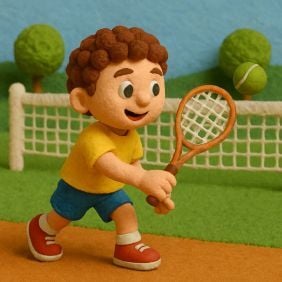
Opens the Door to Lifelong Hobbies (or Careers)
Today’s casual football class could become tomorrow’s passion — or even a profession. Giving children opportunities to try a variety of activities means they can discover their unique strengths and interests from a young age. From tennis and swimming to skating or cricket, early exposure allows kids to explore different sports, discover what excites them, and develop skills that could lead to lifelong hobbies or even open doors to future athletic achievements, scholarships, or careers. By encouraging this exploration, parents empower their children to dream big and pursue what truly makes them happy.

.jpg?width=900&height=400&name=sisprep%20(1).jpg "SIS PLAY: Neuro Play Lab Infant-Mother Program")
.jpeg?width=900&height=400&name=WhatsApp%20Image%202025-04-24%20at%2010.01.16%20AM%20(1).jpeg "Asquare education: CHESS CLASSES for Kids")
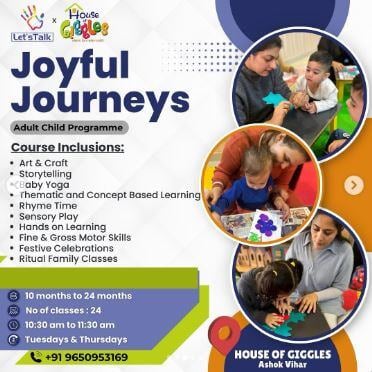
.jpeg?width=900&height=400&name=WhatsApp%20Image%202026-01-31%20at%205.49.18%20PM%20(2).jpeg "House of Giggles-Happy Hours for Kids")


.jpeg?width=900&height=400&name=WhatsApp%20Image%202026-04-16%20at%203.58.19%20PM%20(1).jpeg "Choreotheque Dance Studio-Reformer Pilates for Kids")
.jpeg?width=900&height=400&name=WhatsApp%20Image%202026-04-04%20at%209.59.39%20AM%20(1).jpeg "Vijaya sangeet mahavidyalaya-Admissions Open 2026")
.jpeg?width=900&height=400&name=WhatsApp%20Image%202026-01-01%20at%202.04.05%20PM%20(1).jpeg "Aliens Dance & Fitness Studio-Online Fitness Sessions")
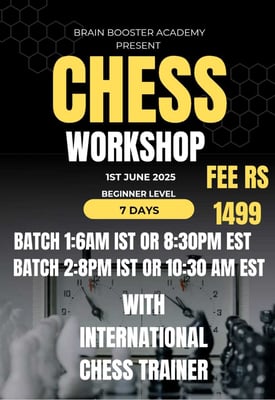
.jpeg?width=900&height=400&name=WhatsApp%20Image%202025-10-30%20at%209.29.28%20AM%20(1).jpeg "Kids Chaupal-Live Classes")
.jpeg?width=900&height=400&name=WhatsApp%20Image%202025-10-29%20at%2010.51.41%20AM%20(1).jpeg "Ninja Kids-Fitness classes")


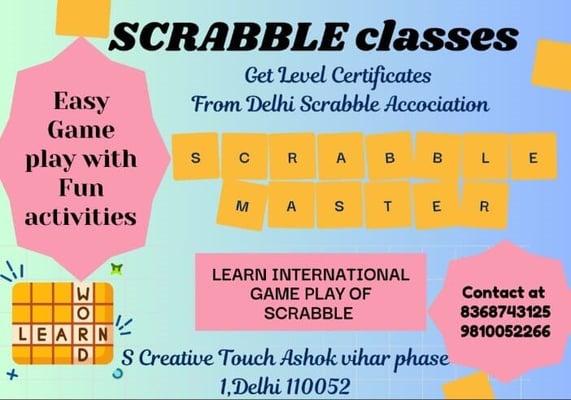
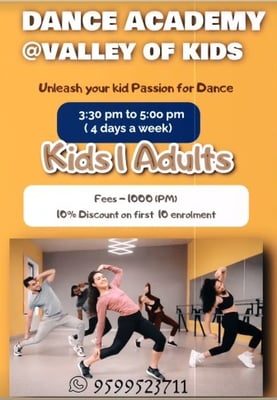
.jpeg?width=900&height=400&name=WhatsApp%20Image%202025-12-09%20at%209.28.16%20AM%20(2).jpeg "LBD Dance academy-Dance Classes")




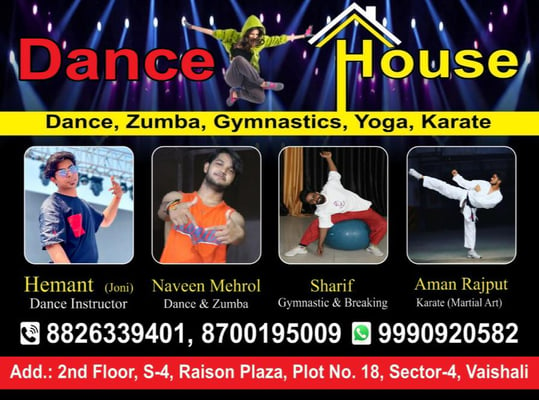
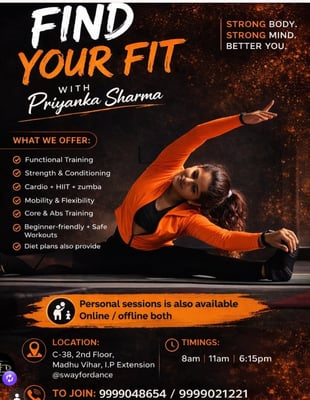
.jpeg?width=900&height=400&name=WhatsApp%20Image%202026-02-09%20at%209.50.50%20AM%20(1).jpeg "The Sam Studio-Dance Workout Classes")
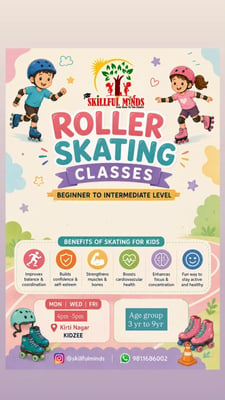
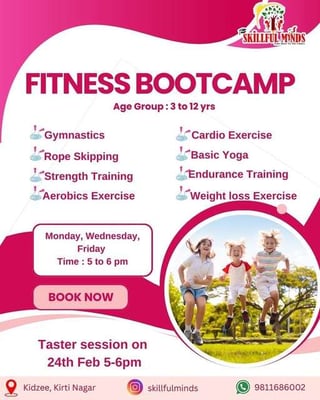
-1.jpeg?width=900&height=400&name=WhatsApp%20Image%202025-11-03%20at%209.40.00%20AM%20(1)-1.jpeg "Skillful minds-Schedule After school program")

.jpeg?width=900&height=400&name=WhatsApp%20Image%202026-02-09%20at%206.07.37%20PM%20(2).jpeg "MulteArts-Online Chess Classes")
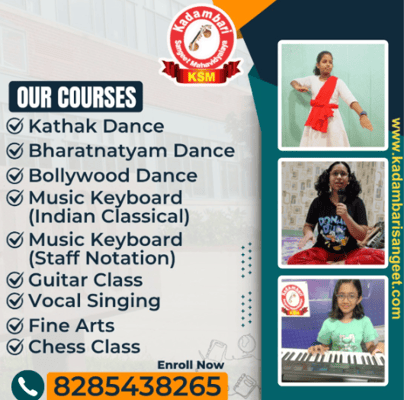
.png?width=900&height=400&name=Kadambari%20Sangeet%20Mahavidyalaya%20%C2%A0-%20%C2%A0Performing%20Arts%20and%20Music%20Classes%20(%20Vaishali%20).png "Kadambari Sangeet Mahavidyalaya  -  Performing Arts and Music Classes ( Vaishali )")


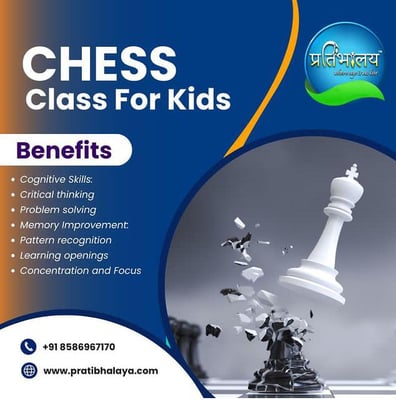
-1.jpeg?width=900&height=400&name=WhatsApp%20Image%202025-10-16%20at%209.41.33%20AM%20(1)-1.jpeg "Pratibhalaya-Advance Chess program")