
 Summer Camp
 Reading Writing
 Book Club
 Calligraphy
 Creative Writing
 English Speaking
 Handwriting
 Library
 Phonics
 Story Telling
 Art and Craft
 Clay Moulding
 Drawing
 Painting
 Pottery
 Sketching
 Drama Theatre
 Personality Development
 Public Speaking
 Languages
 Arabic
 Chinese
 French
 German
 Hindi
Hindi Italian
 Japanese
 Korean
 Persian
 Portuguese
 Russian
 Spanish
 Turkish
 Uzbek
Uzbek Sports and Fitness
 Aerobics
 Athletics
 Badminton
 Basket Ball
 Chess
Chess Cricket
 Football
 Golf
Golf Gymnastics
 Hulahoop
 Karate
 Martial Arts
 Pickleball
 Rugby
Rugby Skating
 Swimming
 Taekwondo
 Tennis
 Volleyball
 Yoga
Yoga Zumba
Zumba Tuition Classes
 Accounts
 Biology
 Business Studies
 CBSE
CBSE Chemistry
 Commerce
 Economics
 Homework Classes
 IB Board
 IGCSE
IGCSE Mathematics
 Physics
 Psychology
 Science
 Social Studies
 Vedic Maths
 Dance and Music
 Ballet
 Bhangra
 Bharatnatyam
 Bollywood Dance
 Casio
Casio Dandiya and Garba
 Drums
Drums Flute
Flute Guitar
 Harmonium
 Hip Hop
 Jazz
Jazz Kathak
 Keyboard
 Piano
Piano Salsa
Salsa Shlokas
 Sitar
Sitar Tabla
Tabla Ukulele
 Violin
 Vocal
Vocal PlaySchools
 Preschool
 STEM
STEM
 Abacus
 App Development
 Artificial intelligence
 Basic Computer Courses
 Canva
Canva Coding
 Graphic Design
 Lego
Lego Python
 Robotics
 Rubiks Cube
 Scrabble
 Scratch
 Website Development
 Winter Camp
 Workshops
 Diwali Workshop
 Easter
 Ganesh Mahotsav
 Guru Nanak Jayanti Workshop
 Holi
Holi Independence day workshop
 Janmashtami Workshop
 Mothers day
 Navratri Workshops
 Raksha Bandhan workshop
 Ramayana Workshop
 Spring Camp
 Valentines Day Workshops
 Festive
 Daycare
 Cooking and Food
 Spring Camp
 Contests and Competitions
 Special abled
 Republic Day Workshops
 Mela
Mela
 Mela
Mela Cognitive Development
 Mother-Toddler Program
-Jul-03-2026-06-59-25-1926-AM.webp?width=30&height=30&name=Smart_20Skills_20(2)-Jul-03-2026-06-59-25-1926-AM.webp) Smart Skills
Smart Skills
 Financial Literacy




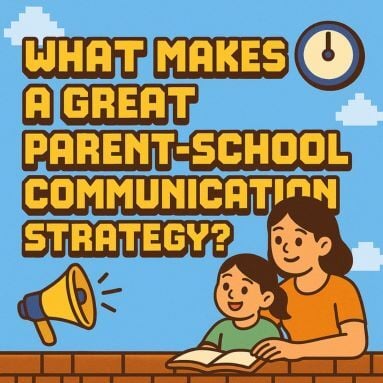
In today's educational landscape, strong parent-school communication isn't just important — it's essential. When schools and parents work together as partners, students thrive both academically and emotionally.
But what does effective communication really look like? Here's a breakdown of what makes a great parent-school communication strategy — one that builds trust, engagement, and lasting impact.
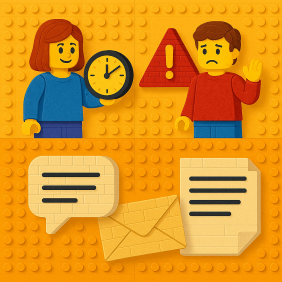
1. Be Clear, Consistent, and Timely
Parents don’t need endless updates — they need the right information at the right time. When communication is predictable and well-organized, parents feel confident and prepared.
Tips:
- Share important dates and event notices well in advance
- Avoid last-minute messages, especially for changes or requirements
- Use a consistent tone and avoid educational jargon
- Set a fixed rhythm — weekly round-ups or monthly newsletters work well

2. Use a Mix of Communication Channels
Different parents prefer different platforms. While WhatsApp might work for some, others may rely on email, SMS, or printed notices. A well-rounded strategy uses a thoughtful mix — without overwhelming anyone.
Tips:
- Use WhatsApp for short reminders and quick updates
- Send emails for detailed circulars or academic news
- Use printed handouts for pre-primary or low-tech families
- Maintain a clean, one-way channel for official school communication

3. Create Space for Two-Way Communication
Good communication isn’t just about broadcasting — it’s also about listening. Parents feel more connected when they know their feedback is welcomed and valued.
Tips:
- Offer regular parent-teacher meetings, online or offline
- Use forms or surveys to gather feedback on events, policies, or academics
- Provide clear channels for parents to ask questions or book a one-on-one call with teachers or school staff
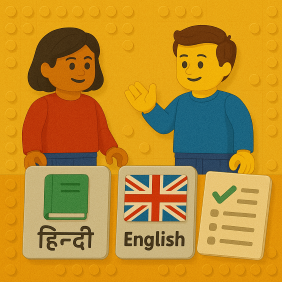
4. Keep It Inclusive and Easy to Understand
Your school community may include parents from various linguistic and technological backgrounds. Make sure everyone can follow what you’re sharing.
Tips:
- Share bilingual updates where needed (e.g., Hindi and English)
- Use visuals, bold headings, and bullet points for easy scanning
- Avoid complicated file formats or large PDFs that are hard to open on mobile

5. Celebrate Classroom Moments and Student Achievements
Communication shouldn’t only be about fees, exams, or schedules. Parents love to know what their children are learning and experiencing at school.
Tips:
- Include classroom highlights or "student spotlight" sections in your newsletters
- Share photos of creative projects, sports day, or reading time (with consent)
- Celebrate both small and big wins — from a poem recital to a successful science project